Transportation subsidies face scrutiny as high speed rail gains support
June 14, 2024 | Transportation and Infrastructure: House Committee, Standing Committees - House & Senate, Congressional Hearings Compilation, Legislative, Federal
This article was created by AI summarizing key points discussed. AI makes mistakes, so for full details and context, please refer to the video of the full meeting. Please report any errors so we can fix them. Report an error »
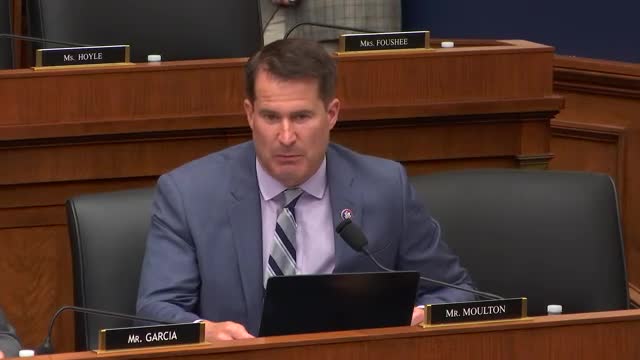
The conversation shifted to the broader implications of transportation subsidies. One participant emphasized the need to reduce subsidies across all transportation modes to avoid distorting consumer choices. They advocated for a free-market approach to determine the most efficient transportation solutions based on economic analysis.
A study commissioned by the participant's office revealed that Massachusetts subsidizes driving to the tune of $64 billion annually, equating to $14,000 per taxpayer, regardless of car ownership. This figure encompasses costs related to highway construction, maintenance, and emergency services, highlighting the hidden costs of car travel. In stark contrast, the participant noted that high-speed rail in Japan has recorded no fatalities in its history.
To address the imbalance in subsidies, the participant suggested implementing congestion pricing as a potential solution. This approach could not only generate revenue but also incentivize drivers to avoid peak travel times, thereby making public transit options more appealing.
The meeting concluded with a call for further dialogue on these issues, particularly with state leaders, to explore equitable transportation funding strategies.
View the Full Meeting & All Its Details
This article offers just a summary. Unlock complete video, transcripts, and insights as a Founder Member.
30-day money-back guarantee
