Concerns rise over solar project impact on wildlife and farmland
August 22, 2024 | Madison City, Jefferson County, Indiana
This article was created by AI summarizing key points discussed. AI makes mistakes, so for full details and context, please refer to the video of the full meeting. Please report any errors so we can fix them. Report an error »
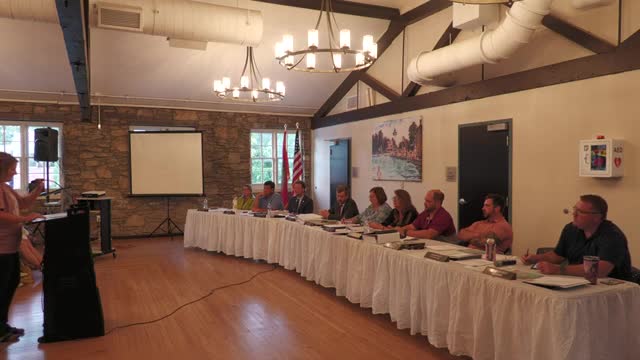
During a recent government meeting, concerns were raised regarding the proposed solar development project in Smyrna, particularly its impact on local farmland and wildlife. Critics argued that the site selection was poor, emphasizing that the land in question is not only prime farmland but also less resilient according to the Nature Conservancy's mapping tool. They questioned the rationale behind investing in solar facilities on land deemed unsuitable for climate resilience, suggesting that vacant industrial sites or agricultural lands would be more appropriate.
The discussion highlighted the potential ecological consequences of converting farmland into solar facilities. A publication from the Environmental Science and Technology journal was cited, indicating that such developments could lead to significant land cover changes, transforming natural landscapes into managed industrial areas. This transformation could disrupt wildlife habitats, as solar facilities require fencing that may hinder animal movement, particularly for terrestrial species like deer.
Local wildlife biologists expressed concerns about habitat loss and fragmentation, noting that the proposed project could exacerbate existing issues related to invasive species and habitat destruction. They pointed out that the majority of the soils in the project area are poorly drained, complicating efforts to establish native vegetation that could support local wildlife.
Additionally, the meeting addressed the management of the land post-development. Suggestions included using grazing goats to maintain native plantings, although this approach would require careful planning and management to prevent competition from non-native species.
Overall, the meeting underscored the tension between renewable energy development and conservation priorities, with participants advocating for a more thoughtful approach to land use that considers both ecological integrity and agricultural viability.
The discussion highlighted the potential ecological consequences of converting farmland into solar facilities. A publication from the Environmental Science and Technology journal was cited, indicating that such developments could lead to significant land cover changes, transforming natural landscapes into managed industrial areas. This transformation could disrupt wildlife habitats, as solar facilities require fencing that may hinder animal movement, particularly for terrestrial species like deer.
Local wildlife biologists expressed concerns about habitat loss and fragmentation, noting that the proposed project could exacerbate existing issues related to invasive species and habitat destruction. They pointed out that the majority of the soils in the project area are poorly drained, complicating efforts to establish native vegetation that could support local wildlife.
Additionally, the meeting addressed the management of the land post-development. Suggestions included using grazing goats to maintain native plantings, although this approach would require careful planning and management to prevent competition from non-native species.
Overall, the meeting underscored the tension between renewable energy development and conservation priorities, with participants advocating for a more thoughtful approach to land use that considers both ecological integrity and agricultural viability.
View the Full Meeting & All Its Details
This article offers just a summary. Unlock complete video, transcripts, and insights as a Founder Member.
✓
Watch full, unedited meeting videos
✓
Search every word spoken in unlimited transcripts
✓
AI summaries & real-time alerts (all government levels)
✓
Permanent access to expanding government content
30-day money-back guarantee
