US Faces Growing Threats from Extremism and Foreign Powers
September 11, 2024 | Foreign Affairs: House Committee, Standing Committees - House & Senate, Congressional Hearings Compilation, Legislative, Federal
This article was created by AI summarizing key points discussed. AI makes mistakes, so for full details and context, please refer to the video of the full meeting. Please report any errors so we can fix them. Report an error »
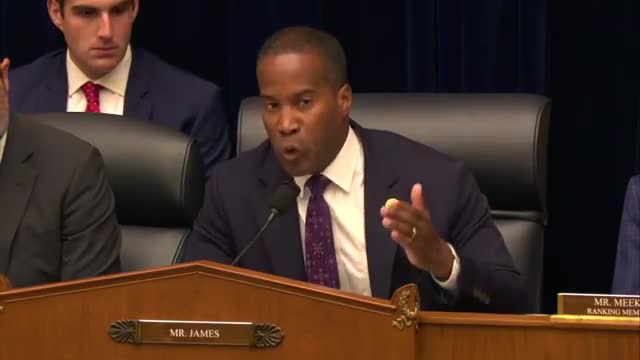
In a recent government meeting, significant concerns were raised regarding the escalating instability in the Sahel region and its implications for West Africa. A key speaker emphasized the urgent need for the U.S. administration to address the growing influence of Islamic extremists and the unchecked presence of Russian mercenaries across the region. The speaker highlighted that many West African nations are geographically closer to the U.S. than to Europe, suggesting a need for a more proactive American foreign policy in the area.
The discussion also touched on China's expanding influence in Africa, particularly through its financial commitments. At a recent summit in Beijing, President Xi Jinping announced $51 billion in new loans aimed at strengthening China's foothold on the continent, which critics argue is part of a broader strategy of \"debt trap diplomacy.\" This approach is seen as a means for China to gain leverage over African leaders and control critical mineral supply chains, raising alarms about the potential risks to U.S. national security.
The speaker, a combat veteran and logistics expert, warned that the current geopolitical landscape poses significant threats to American interests, particularly regarding the supply of essential minerals like antimony, which is crucial for U.S. munitions. The ongoing export controls imposed by China on such resources could jeopardize the U.S. industrial supply chain in the event of conflict.
Additionally, the meeting addressed the humanitarian crisis in Sudan, where the actions of the Rapid Support Forces (RSF) have been labeled as genocide. The speaker criticized the U.S. administration for its inaction in the face of the atrocities, which have led to acute food insecurity affecting 25 million people and an estimated 150,000 casualties since the onset of civil war. The resolution proposed by the committee formally recognizes these actions as genocide, underscoring the disparity in international aid perceived by African nations compared to other global crises.
The discussions reflect a growing frustration with U.S. foreign policy in Africa, particularly as nations witness substantial support for conflicts in Ukraine and Gaza while feeling neglected in their own struggles.
The discussion also touched on China's expanding influence in Africa, particularly through its financial commitments. At a recent summit in Beijing, President Xi Jinping announced $51 billion in new loans aimed at strengthening China's foothold on the continent, which critics argue is part of a broader strategy of \"debt trap diplomacy.\" This approach is seen as a means for China to gain leverage over African leaders and control critical mineral supply chains, raising alarms about the potential risks to U.S. national security.
The speaker, a combat veteran and logistics expert, warned that the current geopolitical landscape poses significant threats to American interests, particularly regarding the supply of essential minerals like antimony, which is crucial for U.S. munitions. The ongoing export controls imposed by China on such resources could jeopardize the U.S. industrial supply chain in the event of conflict.
Additionally, the meeting addressed the humanitarian crisis in Sudan, where the actions of the Rapid Support Forces (RSF) have been labeled as genocide. The speaker criticized the U.S. administration for its inaction in the face of the atrocities, which have led to acute food insecurity affecting 25 million people and an estimated 150,000 casualties since the onset of civil war. The resolution proposed by the committee formally recognizes these actions as genocide, underscoring the disparity in international aid perceived by African nations compared to other global crises.
The discussions reflect a growing frustration with U.S. foreign policy in Africa, particularly as nations witness substantial support for conflicts in Ukraine and Gaza while feeling neglected in their own struggles.
View the Full Meeting & All Its Details
This article offers just a summary. Unlock complete video, transcripts, and insights as a Founder Member.
✓
Watch full, unedited meeting videos
✓
Search every word spoken in unlimited transcripts
✓
AI summaries & real-time alerts (all government levels)
✓
Permanent access to expanding government content
30-day money-back guarantee
