Parents clash over Title IX policy changes
July 16, 2024 | Wake County Schools, School Districts, North Carolina
This article was created by AI summarizing key points discussed. AI makes mistakes, so for full details and context, please refer to the video of the full meeting. Please report any errors so we can fix them. Report an error »
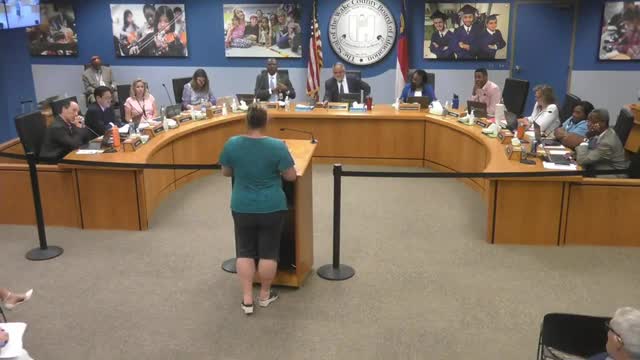
In a recent government meeting, community members voiced strong opinions regarding proposed changes to Title IX policies, particularly concerning sexual harassment and discrimination in schools. The discussions highlighted a divide between those advocating for the protection of LGBTQ+ students and others expressing concerns about privacy and safety.
Miranda Waddill, a parent, raised objections to the redefinition of sexual harassment to include sexual discrimination and sex-based harassment, arguing that existing protections are already sufficient. She emphasized the importance of maintaining clear definitions to ensure that all students feel safe and protected, particularly in sensitive areas such as bathrooms and dormitories. Waddill questioned the appropriateness of allowing minors to choose their sleeping arrangements based on gender identity, citing concerns about privacy and safety.
Emily James, another parent, countered these concerns by sharing stories that illustrate the need for updated protections. She referenced a high-profile case involving a student who was sexually assaulted, clarifying that the attacker did not identify as transgender and that the proposed policy changes would not have prevented the assault. James argued that the new regulations are essential for protecting students like Next Benedict, a non-binary teenager who faced severe bullying and ultimately died by suicide. She stressed that the changes would help ensure that all students can attend school without fear of harassment.
Ross Eliam also supported the updated Title IX guidelines, emphasizing that education is a right and that misinformation should not hinder the safety and dignity of students. He pointed out that studies indicate transgender and non-binary students are at a higher risk of sexual assault, and inclusive policies could help mitigate these risks.
The meeting underscored the ongoing debate over how best to balance the rights and protections of all students while addressing concerns about safety and privacy in educational environments. As discussions continue, the implications of these policy changes remain a focal point for parents, educators, and policymakers alike.
Miranda Waddill, a parent, raised objections to the redefinition of sexual harassment to include sexual discrimination and sex-based harassment, arguing that existing protections are already sufficient. She emphasized the importance of maintaining clear definitions to ensure that all students feel safe and protected, particularly in sensitive areas such as bathrooms and dormitories. Waddill questioned the appropriateness of allowing minors to choose their sleeping arrangements based on gender identity, citing concerns about privacy and safety.
Emily James, another parent, countered these concerns by sharing stories that illustrate the need for updated protections. She referenced a high-profile case involving a student who was sexually assaulted, clarifying that the attacker did not identify as transgender and that the proposed policy changes would not have prevented the assault. James argued that the new regulations are essential for protecting students like Next Benedict, a non-binary teenager who faced severe bullying and ultimately died by suicide. She stressed that the changes would help ensure that all students can attend school without fear of harassment.
Ross Eliam also supported the updated Title IX guidelines, emphasizing that education is a right and that misinformation should not hinder the safety and dignity of students. He pointed out that studies indicate transgender and non-binary students are at a higher risk of sexual assault, and inclusive policies could help mitigate these risks.
The meeting underscored the ongoing debate over how best to balance the rights and protections of all students while addressing concerns about safety and privacy in educational environments. As discussions continue, the implications of these policy changes remain a focal point for parents, educators, and policymakers alike.
Don't Miss a Word: See the Full Meeting!
Go beyond summaries. Unlock every video, transcript, and key insight with a Founder Membership.
✓
Get instant access to full meeting videos
✓
Search and clip any phrase from complete transcripts
✓
Receive AI-powered summaries & custom alerts
✓
Enjoy lifetime, unrestricted access to government data
30-day money-back guarantee
