Ohio faces energy crisis as coal plants retire
June 25, 2024 | Lawrence County, Ohio
This article was created by AI summarizing key points discussed. AI makes mistakes, so for full details and context, please refer to the video of the full meeting. Please report any errors so we can fix them. Report an error »
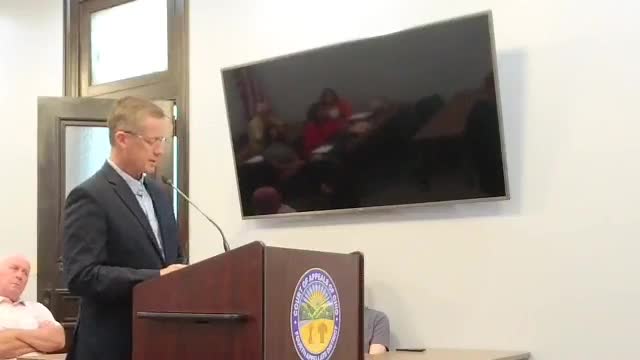
In a recent government meeting, officials discussed Ohio's energy production challenges, highlighting the state's shift from being an electricity exporter to now importing approximately 20% of its electricity. The conversation centered on the need for additional natural gas-fired power plants, specifically citing the potential for ten more facilities similar to the existing Hanging Rock plants. These plants are noted for their small footprint and high output, operating continuously to meet energy demands.
The discussion also touched on the impact of federally subsidized solar energy initiatives, which have reportedly discouraged investment in natural gas power plants within the state. Officials expressed concerns that the incentives for solar development, including significant tax credits, have made it difficult for Ohio to attract investors for new natural gas facilities.
As Ohio prepares to retire around 17,000 megawatts of coal-fired power by 2028, the feasibility of replacing this capacity with solar energy was critically examined. It was noted that solar energy generation is limited to about four to five hours per day, raising questions about energy storage solutions for the remaining hours. The officials pointed out that transitioning to solar would require approximately 250,000 acres of farmland to produce enough electricity, prompting a debate over the potential sacrifice of prime agricultural land for energy production.
Additionally, the meeting highlighted a significant solar development project initiated by Bill Gates, which involves the acquisition of 7,000 acres of farmland near Columbus for a solar facility and extensive battery storage. This project is expected to include 300 megawatts of battery capacity, illustrating the scale of infrastructure needed to support solar energy generation.
Overall, the discussions underscored the complexities Ohio faces in balancing energy needs, agricultural preservation, and the transition to renewable energy sources.
The discussion also touched on the impact of federally subsidized solar energy initiatives, which have reportedly discouraged investment in natural gas power plants within the state. Officials expressed concerns that the incentives for solar development, including significant tax credits, have made it difficult for Ohio to attract investors for new natural gas facilities.
As Ohio prepares to retire around 17,000 megawatts of coal-fired power by 2028, the feasibility of replacing this capacity with solar energy was critically examined. It was noted that solar energy generation is limited to about four to five hours per day, raising questions about energy storage solutions for the remaining hours. The officials pointed out that transitioning to solar would require approximately 250,000 acres of farmland to produce enough electricity, prompting a debate over the potential sacrifice of prime agricultural land for energy production.
Additionally, the meeting highlighted a significant solar development project initiated by Bill Gates, which involves the acquisition of 7,000 acres of farmland near Columbus for a solar facility and extensive battery storage. This project is expected to include 300 megawatts of battery capacity, illustrating the scale of infrastructure needed to support solar energy generation.
Overall, the discussions underscored the complexities Ohio faces in balancing energy needs, agricultural preservation, and the transition to renewable energy sources.
Don't Miss a Word: See the Full Meeting!
Go beyond summaries. Unlock every video, transcript, and key insight with a Founder Membership.
✓
Get instant access to full meeting videos
✓
Search and clip any phrase from complete transcripts
✓
Receive AI-powered summaries & custom alerts
✓
Enjoy lifetime, unrestricted access to government data
30-day money-back guarantee
