Utah's Economy Faces Labor Shortage and Housing Crisis
June 19, 2024 | Economic Development and Workforce Services Interim Committee, Utah Interim, Utah Legislative Branch, Utah
This article was created by AI summarizing key points discussed. AI makes mistakes, so for full details and context, please refer to the video of the full meeting. Please report any errors so we can fix them. Report an error »
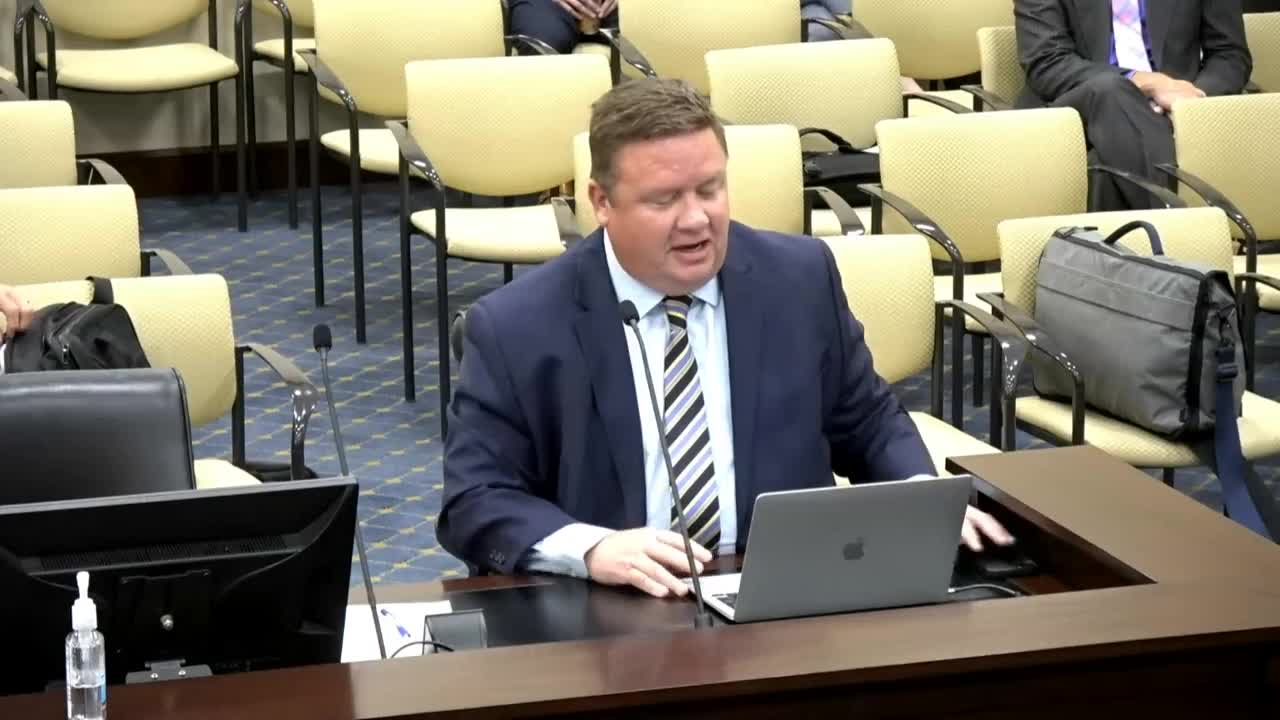
In a recent government meeting, Utah's chief economist provided a comprehensive overview of the state's economic landscape, highlighting key challenges and trends that could shape its future. The economist noted that while Utah's economy remains resilient, it is experiencing a moderation in growth, with job creation slowing significantly compared to previous years. The state has added approximately 55,000 residents over the past year, primarily due to net migration, yet job growth has dropped from the top ranks to 10th nationally.
The economist emphasized three critical areas for state focus: housing, workforce, and mental health challenges. He pointed out that Utah's housing market is becoming increasingly unaffordable, particularly for younger residents entering the market. This issue is compounded by a declining fertility rate, which has implications for the future workforce. The economist warned that without addressing housing affordability, Utah risks losing its ability to attract and retain talent.
Labor availability emerged as a significant constraint on economic growth, with businesses reporting difficulty in finding skilled workers. The economist attributed this challenge to demographic shifts, particularly the retirement of baby boomers, and indicated that the labor market has not yet fully adjusted to the post-pandemic reality.
The meeting also touched on inflation trends, with projections indicating a gradual decline but remaining above the Federal Reserve's target. Consumer sentiment in Utah is notably low, reflecting concerns over inflation and economic stability. The economist urged policymakers to focus on quality over quantity in economic development, advocating for investments in education and infrastructure to foster long-term growth.
In response to questions from committee members, the economist reiterated the importance of addressing housing supply through regulatory reforms, suggesting that local barriers may hinder progress. The discussion underscored the need for a coordinated approach to tackle these interconnected issues, ensuring that Utah's economy can thrive in the face of evolving challenges.
The economist emphasized three critical areas for state focus: housing, workforce, and mental health challenges. He pointed out that Utah's housing market is becoming increasingly unaffordable, particularly for younger residents entering the market. This issue is compounded by a declining fertility rate, which has implications for the future workforce. The economist warned that without addressing housing affordability, Utah risks losing its ability to attract and retain talent.
Labor availability emerged as a significant constraint on economic growth, with businesses reporting difficulty in finding skilled workers. The economist attributed this challenge to demographic shifts, particularly the retirement of baby boomers, and indicated that the labor market has not yet fully adjusted to the post-pandemic reality.
The meeting also touched on inflation trends, with projections indicating a gradual decline but remaining above the Federal Reserve's target. Consumer sentiment in Utah is notably low, reflecting concerns over inflation and economic stability. The economist urged policymakers to focus on quality over quantity in economic development, advocating for investments in education and infrastructure to foster long-term growth.
In response to questions from committee members, the economist reiterated the importance of addressing housing supply through regulatory reforms, suggesting that local barriers may hinder progress. The discussion underscored the need for a coordinated approach to tackle these interconnected issues, ensuring that Utah's economy can thrive in the face of evolving challenges.
Don't Miss a Word: See the Full Meeting!
Go beyond summaries. Unlock every video, transcript, and key insight with a Founder Membership.
✓
Get instant access to full meeting videos
✓
Search and clip any phrase from complete transcripts
✓
Receive AI-powered summaries & custom alerts
✓
Enjoy lifetime, unrestricted access to government data
30-day money-back guarantee
