Renewable energy debate heats up in Georgia zoning discussions
June 28, 2024 | Spalding County, Georgia
This article was created by AI summarizing key points discussed. AI makes mistakes, so for full details and context, please refer to the video of the full meeting. Please report any errors so we can fix them. Report an error »
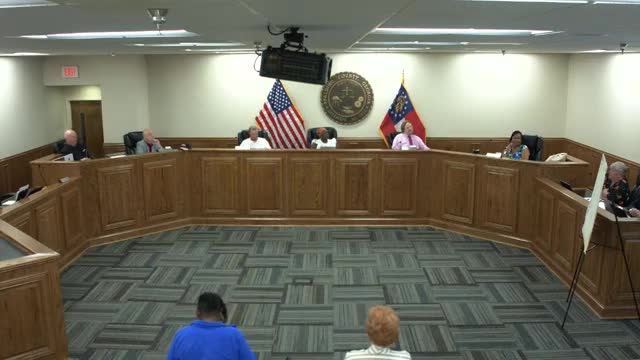
In a recent government meeting, officials discussed the implications of solar energy installations in residential and commercial zones, highlighting both the benefits and challenges associated with renewable energy development. The conversation centered on the need for updated regulations regarding solar panel installations, particularly in light of new technologies that minimize light reflection, which can pose hazards near airports and densely populated areas.
One official referenced the experience in Atlanta, where older reflective solar panels were problematic, leading to a shift towards newer, non-reflective technologies. This change aims to enhance safety and reduce glare for nearby structures and transportation routes. The discussion also touched on the potential for local regulations to mandate the use of these advanced solar technologies in new developments.
The meeting further explored the viability of solar energy in Spalding County, noting that while solar installations are permitted in various zoning classifications, the economic feasibility remains a concern. Officials pointed out that large solar farms, such as the one in Twiggs County, generate significantly less power than traditional energy sources like nuclear plants, raising questions about the long-term sustainability of solar energy as a primary power source.
Additionally, the officials acknowledged the role of government subsidies in making large-scale solar projects financially viable, while also cautioning against over-reliance on solar energy as a singular solution to carbon emissions. The conversation concluded with a consensus on the need to streamline the approval process for rooftop solar installations, making them a permitted use in both residential and commercial zones without requiring special exceptions.
As Georgia Power anticipates a growing demand for electricity, particularly for data centers, the discussions underscored the importance of balancing renewable energy initiatives with practical considerations of land use, economic viability, and environmental impact.
One official referenced the experience in Atlanta, where older reflective solar panels were problematic, leading to a shift towards newer, non-reflective technologies. This change aims to enhance safety and reduce glare for nearby structures and transportation routes. The discussion also touched on the potential for local regulations to mandate the use of these advanced solar technologies in new developments.
The meeting further explored the viability of solar energy in Spalding County, noting that while solar installations are permitted in various zoning classifications, the economic feasibility remains a concern. Officials pointed out that large solar farms, such as the one in Twiggs County, generate significantly less power than traditional energy sources like nuclear plants, raising questions about the long-term sustainability of solar energy as a primary power source.
Additionally, the officials acknowledged the role of government subsidies in making large-scale solar projects financially viable, while also cautioning against over-reliance on solar energy as a singular solution to carbon emissions. The conversation concluded with a consensus on the need to streamline the approval process for rooftop solar installations, making them a permitted use in both residential and commercial zones without requiring special exceptions.
As Georgia Power anticipates a growing demand for electricity, particularly for data centers, the discussions underscored the importance of balancing renewable energy initiatives with practical considerations of land use, economic viability, and environmental impact.
View the Full Meeting & All Its Details
This article offers just a summary. Unlock complete video, transcripts, and insights as a Founder Member.
✓
Watch full, unedited meeting videos
✓
Search every word spoken in unlimited transcripts
✓
AI summaries & real-time alerts (all government levels)
✓
Permanent access to expanding government content
30-day money-back guarantee
