Debate ignites over rooftop solar regulations and property rights
June 28, 2024 | Spalding County, Georgia
This article was created by AI summarizing key points discussed. AI makes mistakes, so for full details and context, please refer to the video of the full meeting. Please report any errors so we can fix them. Report an error »
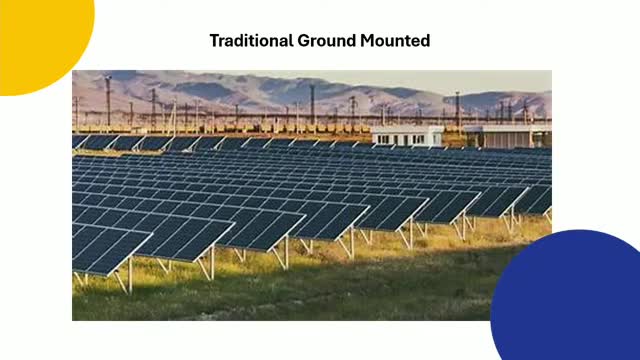
In a recent government meeting, officials discussed the regulations surrounding solar energy installations in agricultural zones, highlighting the complexities of permitting and community aesthetics. The ordinance currently prohibits traditional ground-mounted solar facilities as a permitted use by right, requiring homeowners to apply for a special exception to install such systems.
Rooftop solar installations are categorized as special exception accessory uses, meaning homeowners must seek approval to ensure compatibility with neighborhood standards, particularly in subdivisions. This has sparked debate, especially among homeowners associations (HOAs) that often restrict rooftop solar installations. While some states have laws protecting homeowners' rights to install solar panels, no such statute exists in this jurisdiction, leading to potential legal conflicts between homeowners and HOAs.
Officials acknowledged the economic implications of solar energy, noting that while rooftop installations can significantly reduce energy costs, they also require substantial upfront investments. The discussion revealed a divide in opinions regarding the aesthetic impact of solar panels on property values. Some participants argued that well-implemented rooftop solar can enhance property value, while others expressed concerns about the visual impact of ground-mounted systems, particularly if placed in front yards.
The meeting concluded with a consensus that while ground-mounted systems should remain regulated, there is a growing inclination to allow rooftop solar installations as a permitted use by right, reflecting a shift towards promoting renewable energy solutions while balancing community standards.
Rooftop solar installations are categorized as special exception accessory uses, meaning homeowners must seek approval to ensure compatibility with neighborhood standards, particularly in subdivisions. This has sparked debate, especially among homeowners associations (HOAs) that often restrict rooftop solar installations. While some states have laws protecting homeowners' rights to install solar panels, no such statute exists in this jurisdiction, leading to potential legal conflicts between homeowners and HOAs.
Officials acknowledged the economic implications of solar energy, noting that while rooftop installations can significantly reduce energy costs, they also require substantial upfront investments. The discussion revealed a divide in opinions regarding the aesthetic impact of solar panels on property values. Some participants argued that well-implemented rooftop solar can enhance property value, while others expressed concerns about the visual impact of ground-mounted systems, particularly if placed in front yards.
The meeting concluded with a consensus that while ground-mounted systems should remain regulated, there is a growing inclination to allow rooftop solar installations as a permitted use by right, reflecting a shift towards promoting renewable energy solutions while balancing community standards.
Don't Miss a Word: See the Full Meeting!
Go beyond summaries. Unlock every video, transcript, and key insight with a Founder Membership.
✓
Get instant access to full meeting videos
✓
Search and clip any phrase from complete transcripts
✓
Receive AI-powered summaries & custom alerts
✓
Enjoy lifetime, unrestricted access to government data
30-day money-back guarantee
