Controversy erupts over proposed accessory dwelling units
July 18, 2024 | North Richland Hills City, Tarrant County, Texas
This article was created by AI summarizing key points discussed. AI makes mistakes, so for full details and context, please refer to the video of the full meeting. Please report any errors so we can fix them. Report an error »
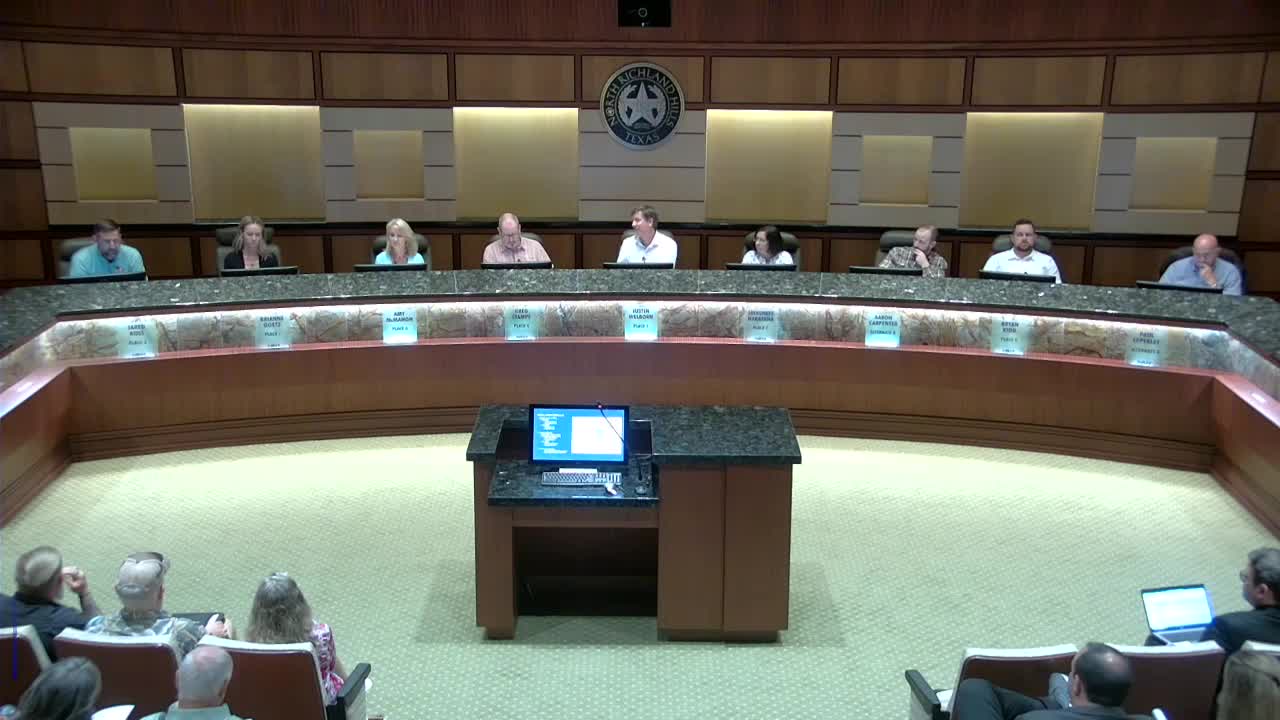
In a recent government meeting, discussions centered around a proposed accessory dwelling unit (ADU) and accessory building in a single-family estate district, raising concerns about density, neighborhood aesthetics, and property values.
One commissioner expressed support for the permanent accessory building but opposed the proposed ADU, citing concerns about its impact on the neighborhood's character. The commissioner clarified that the maximum density allowed in the district is two units per acre, which would permit up to four units on the 2-acre lot in question. However, the proposal only seeks to utilize half of that maximum density.
The conversation highlighted a previous application for a similar lot that was denied, with the commissioner advocating for a replatting approach to enhance property value and city revenue without raising tax rates. They argued that having two lots would be more beneficial economically, as it would appraise higher than a single lot with multiple units.
Another commissioner acknowledged the scale of the proposed units but noted that having the owner on-site could lead to better maintenance and security for the rental unit. They suggested that the trend towards larger homes might be shifting the neighborhood's character, which could accommodate the proposed changes.
Concerns were raised about the height of the accessory building, which exceeds the permitted sidewall height of 12 feet, with the applicant requesting 16 feet. Some commissioners expressed apprehension that approving such exceptions could set a precedent for future developments, potentially undermining established zoning ordinances.
The discussion underscored the tension between property rights and community standards, with some commissioners advocating for the applicant to revise their proposal to better align with neighborhood expectations. The meeting concluded with a recognition of the need for balance between individual property use and the collective interests of the community.
One commissioner expressed support for the permanent accessory building but opposed the proposed ADU, citing concerns about its impact on the neighborhood's character. The commissioner clarified that the maximum density allowed in the district is two units per acre, which would permit up to four units on the 2-acre lot in question. However, the proposal only seeks to utilize half of that maximum density.
The conversation highlighted a previous application for a similar lot that was denied, with the commissioner advocating for a replatting approach to enhance property value and city revenue without raising tax rates. They argued that having two lots would be more beneficial economically, as it would appraise higher than a single lot with multiple units.
Another commissioner acknowledged the scale of the proposed units but noted that having the owner on-site could lead to better maintenance and security for the rental unit. They suggested that the trend towards larger homes might be shifting the neighborhood's character, which could accommodate the proposed changes.
Concerns were raised about the height of the accessory building, which exceeds the permitted sidewall height of 12 feet, with the applicant requesting 16 feet. Some commissioners expressed apprehension that approving such exceptions could set a precedent for future developments, potentially undermining established zoning ordinances.
The discussion underscored the tension between property rights and community standards, with some commissioners advocating for the applicant to revise their proposal to better align with neighborhood expectations. The meeting concluded with a recognition of the need for balance between individual property use and the collective interests of the community.
Don't Miss a Word: See the Full Meeting!
Go beyond summaries. Unlock every video, transcript, and key insight with a Founder Membership.
✓
Get instant access to full meeting videos
✓
Search and clip any phrase from complete transcripts
✓
Receive AI-powered summaries & custom alerts
✓
Enjoy lifetime, unrestricted access to government data
30-day money-back guarantee
