Property tax system faces challenges amid rising protests
July 22, 2024 | North Richland Hills City, Tarrant County, Texas
This article was created by AI summarizing key points discussed. AI makes mistakes, so for full details and context, please refer to the video of the full meeting. Please report any errors so we can fix them. Report an error »
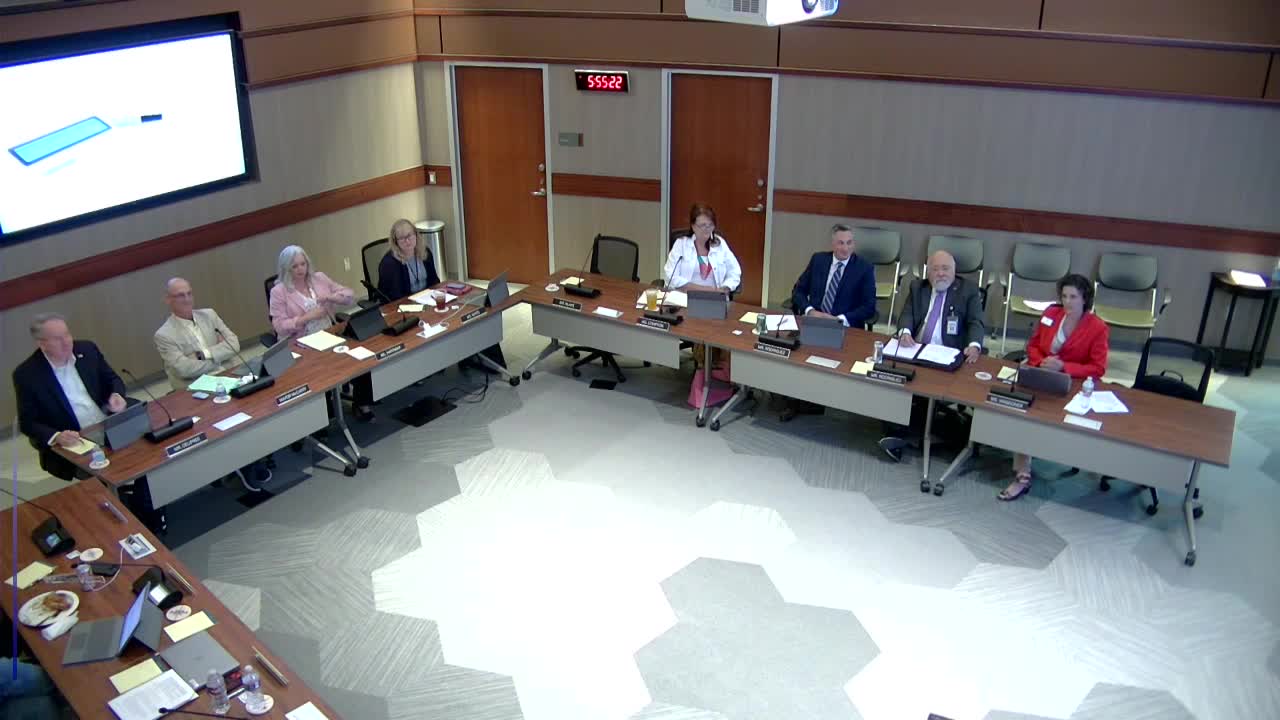
During a recent government meeting, officials discussed the complexities of property tax revenue in North Richland Hills, highlighting the roles of five key stakeholders: the state legislature, the chief appraiser, property owners, taxing entities, and the tax assessor collector.
The state legislature plays a crucial role in defining the responsibilities of each stakeholder, ensuring a separation of powers to protect property owners' rights. This includes establishing procedures, deadlines, and the framework for property tax exemptions and appraisal caps.
The chief appraiser is responsible for assessing property values across the county, managing a significant volume of protests—over 200,000 this year alone. As of June, the estimated market value of properties in North Richland Hills was $12.1 billion, with an appraised value of $11.5 billion, reflecting a 5% reduction. The taxable value, after exemptions, was estimated at $9.3 billion, or 77% of the market value.
Property owners must actively engage in the tax process, reviewing preliminary values and filing protests by May 15. This year, 6,991 cases were filed in North Richland Hills, representing 41% of the market value. New state legislation now requires property owners to refile for certain exemptions, including those for seniors, which has raised questions among council members about the necessity of this process.
Taxing entities, which include various local districts, adopt tax rates and exemptions, impacting the overall tax burden on residents. For the average single-family home in North Richland Hills, the taxable value is $269,976, resulting in an annual tax bill of approximately $1,321.23.
The tax assessor collector plays a vital role in issuing tax bills and managing refunds, which have become increasingly complex due to rising property values and the volume of protests. The city has seen a trend where more money is being paid out in refunds than collected in current taxes, a situation exacerbated by ongoing disputes over property valuations.
As the city prepares its budget, officials are closely monitoring these dynamics, particularly the implications of property tax revenue fluctuations and the need for adjustments in budgeting for penalties and interest. The meeting underscored the intricate relationship between property values, tax rates, and the financial health of the city, as officials aim to navigate these challenges effectively.
The state legislature plays a crucial role in defining the responsibilities of each stakeholder, ensuring a separation of powers to protect property owners' rights. This includes establishing procedures, deadlines, and the framework for property tax exemptions and appraisal caps.
The chief appraiser is responsible for assessing property values across the county, managing a significant volume of protests—over 200,000 this year alone. As of June, the estimated market value of properties in North Richland Hills was $12.1 billion, with an appraised value of $11.5 billion, reflecting a 5% reduction. The taxable value, after exemptions, was estimated at $9.3 billion, or 77% of the market value.
Property owners must actively engage in the tax process, reviewing preliminary values and filing protests by May 15. This year, 6,991 cases were filed in North Richland Hills, representing 41% of the market value. New state legislation now requires property owners to refile for certain exemptions, including those for seniors, which has raised questions among council members about the necessity of this process.
Taxing entities, which include various local districts, adopt tax rates and exemptions, impacting the overall tax burden on residents. For the average single-family home in North Richland Hills, the taxable value is $269,976, resulting in an annual tax bill of approximately $1,321.23.
The tax assessor collector plays a vital role in issuing tax bills and managing refunds, which have become increasingly complex due to rising property values and the volume of protests. The city has seen a trend where more money is being paid out in refunds than collected in current taxes, a situation exacerbated by ongoing disputes over property valuations.
As the city prepares its budget, officials are closely monitoring these dynamics, particularly the implications of property tax revenue fluctuations and the need for adjustments in budgeting for penalties and interest. The meeting underscored the intricate relationship between property values, tax rates, and the financial health of the city, as officials aim to navigate these challenges effectively.
View the Full Meeting & All Its Details
This article offers just a summary. Unlock complete video, transcripts, and insights as a Founder Member.
✓
Watch full, unedited meeting videos
✓
Search every word spoken in unlimited transcripts
✓
AI summaries & real-time alerts (all government levels)
✓
Permanent access to expanding government content
30-day money-back guarantee
