Council members clash over controversial noise ordinance debate
June 21, 2024 | Wilmington City, New Castle County, Delaware
This article was created by AI summarizing key points discussed. AI makes mistakes, so for full details and context, please refer to the video of the full meeting. Please report any errors so we can fix them. Report an error »
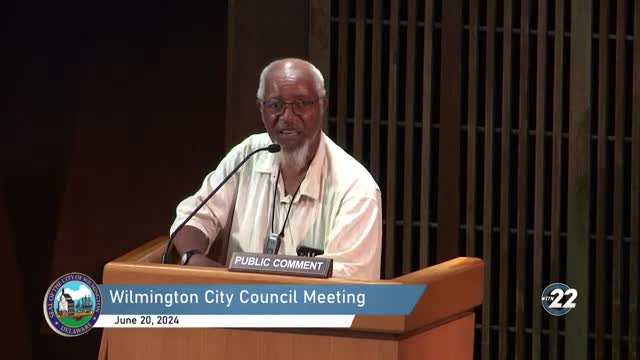
In a recent government meeting, discussions centered around community engagement, proposed noise ordinances, and the impact of fines and fees on residents. The meeting highlighted the tension between emerging political candidates and established leaders, with one speaker emphasizing the importance of collaboration and listening in leadership roles. The speaker criticized those who only seek visibility during election season, urging a collective approach to governance.
Timeless Thomas, a community member, expressed strong opposition to a proposed noise ordinance, arguing that it could suppress the voices of marginalized communities, particularly during a time of heightened social activism. He described the daily noise of gentrification and violence that his family endures, framing the ordinance as an attempt to silence legitimate protest. Thomas's remarks underscored the broader implications of such legislation on First Amendment rights, particularly for Black and Brown communities.
The council also addressed the decision to hold off on voting for the noise ordinance, which was met with mixed reactions from the public. Dunya, a virtual participant, criticized the lack of transparency surrounding the ordinance's postponement, calling for accountability from elected officials. She emphasized the need for open dialogue and urged council members to listen to their constituents rather than dismiss their concerns.
Cheyenne Miller, chair of the fines and fees task force, presented findings from a year-long study aimed at reforming the city's approach to fines and fees. She advocated for equitable practices, including the cessation of harmful collection methods for overdue water bills and the need for affordability programs. Miller's call for action highlighted the financial burdens faced by vulnerable populations and the inefficiencies in the city's current collection practices.
As the meeting concluded, the emphasis on community voices and the need for responsive governance resonated strongly, reflecting ongoing challenges in addressing the needs of all residents. The council's upcoming vote on the resolution to explore the task force's recommendations will be a critical step in shaping the city's approach to fines and fees, as well as its commitment to listening to the community.
Timeless Thomas, a community member, expressed strong opposition to a proposed noise ordinance, arguing that it could suppress the voices of marginalized communities, particularly during a time of heightened social activism. He described the daily noise of gentrification and violence that his family endures, framing the ordinance as an attempt to silence legitimate protest. Thomas's remarks underscored the broader implications of such legislation on First Amendment rights, particularly for Black and Brown communities.
The council also addressed the decision to hold off on voting for the noise ordinance, which was met with mixed reactions from the public. Dunya, a virtual participant, criticized the lack of transparency surrounding the ordinance's postponement, calling for accountability from elected officials. She emphasized the need for open dialogue and urged council members to listen to their constituents rather than dismiss their concerns.
Cheyenne Miller, chair of the fines and fees task force, presented findings from a year-long study aimed at reforming the city's approach to fines and fees. She advocated for equitable practices, including the cessation of harmful collection methods for overdue water bills and the need for affordability programs. Miller's call for action highlighted the financial burdens faced by vulnerable populations and the inefficiencies in the city's current collection practices.
As the meeting concluded, the emphasis on community voices and the need for responsive governance resonated strongly, reflecting ongoing challenges in addressing the needs of all residents. The council's upcoming vote on the resolution to explore the task force's recommendations will be a critical step in shaping the city's approach to fines and fees, as well as its commitment to listening to the community.
View the Full Meeting & All Its Details
This article offers just a summary. Unlock complete video, transcripts, and insights as a Founder Member.
✓
Watch full, unedited meeting videos
✓
Search every word spoken in unlimited transcripts
✓
AI summaries & real-time alerts (all government levels)
✓
Permanent access to expanding government content
30-day money-back guarantee
