Utah debates constitutional amendment to curb foreign influence
August 21, 2024 | Utah Interim, Utah Legislative Branch, Utah
This article was created by AI summarizing key points discussed. AI makes mistakes, so for full details and context, please refer to the video of the full meeting. Please report any errors so we can fix them. Report an error »
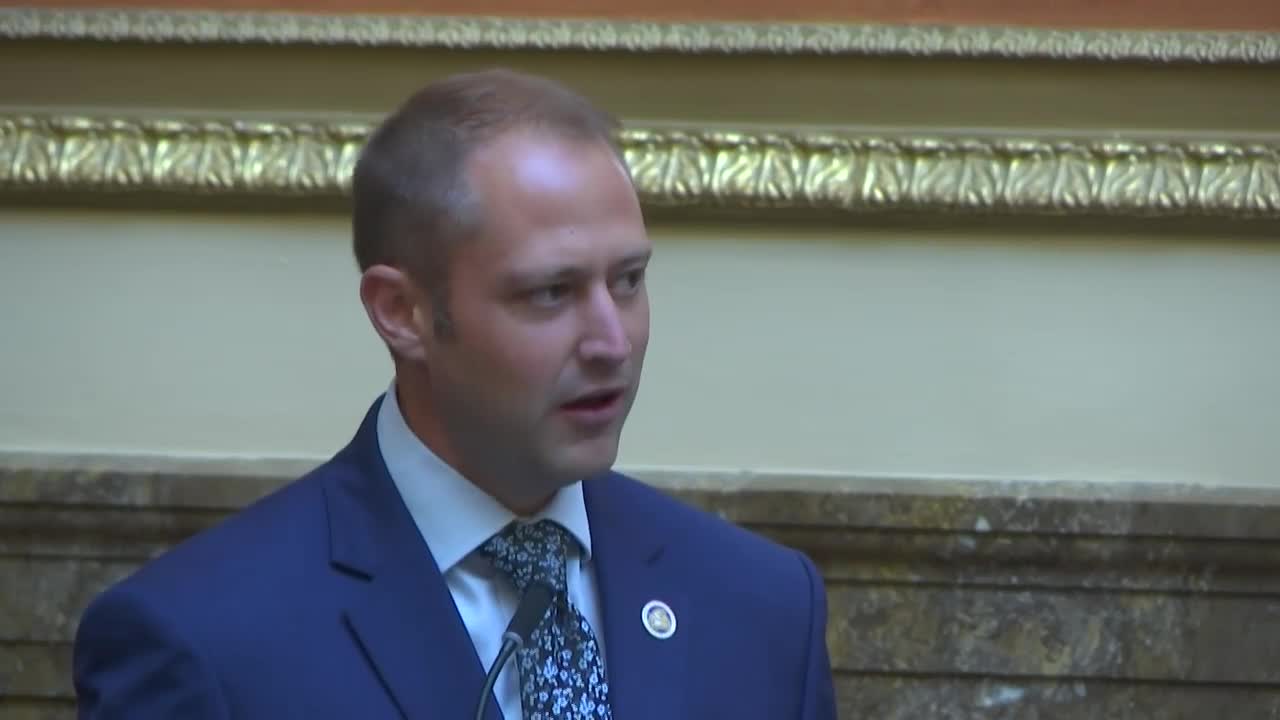
In a recent legislative session, Utah lawmakers engaged in a heated debate over a proposed constitutional amendment aimed at curbing foreign influence in state initiatives and referendums. The amendment seeks to prohibit foreign individuals, entities, or governments from influencing state ballot measures, while also allowing the legislature to amend citizen initiatives to better align with state needs.
Proponents of the amendment, including Representative Tusser, argued that it is essential to protect the integrity of Utah's governance from external pressures. Tusser emphasized that the amendment would empower Utahns to decide how their government operates, placing the ultimate decision on the ballot for voters.
However, opposition from several lawmakers highlighted concerns about undermining the democratic process. Representative Owens voiced strong objections, asserting that the amendment contradicts the foundational principle that political power resides with the people. He criticized the legislature's attempts to amend the independent redistricting process, suggesting that it reflects a fear of competition and a desire to maintain partisan control.
Further dissent came from Representative Briscoe, who argued that the amendment disrespects the will of the people, citing past instances where citizen initiatives were crucial in shaping state policy, such as the legalization of medical cannabis. He called for humility in governance, urging lawmakers to recognize that they serve the public rather than dictate to them.
The discussion also touched on the role of the judiciary, with some representatives cautioning against impugning the motives of the Supreme Court. They argued that the court's interpretations should not be viewed as a threat to legislative authority but rather as a necessary check on power.
As the debate unfolded, questions arose regarding the definition of \"foreign entities\" within the proposed amendment. Some lawmakers expressed concern that the term could be interpreted too broadly, potentially stifling legitimate external influences that contribute to policy development.
The session concluded without a definitive resolution, as lawmakers continued to grapple with the implications of the proposed amendment and its potential impact on Utah's political landscape. The outcome of this legislative effort will ultimately rest in the hands of Utah voters, who may soon have the opportunity to weigh in on this significant policy shift.
Proponents of the amendment, including Representative Tusser, argued that it is essential to protect the integrity of Utah's governance from external pressures. Tusser emphasized that the amendment would empower Utahns to decide how their government operates, placing the ultimate decision on the ballot for voters.
However, opposition from several lawmakers highlighted concerns about undermining the democratic process. Representative Owens voiced strong objections, asserting that the amendment contradicts the foundational principle that political power resides with the people. He criticized the legislature's attempts to amend the independent redistricting process, suggesting that it reflects a fear of competition and a desire to maintain partisan control.
Further dissent came from Representative Briscoe, who argued that the amendment disrespects the will of the people, citing past instances where citizen initiatives were crucial in shaping state policy, such as the legalization of medical cannabis. He called for humility in governance, urging lawmakers to recognize that they serve the public rather than dictate to them.
The discussion also touched on the role of the judiciary, with some representatives cautioning against impugning the motives of the Supreme Court. They argued that the court's interpretations should not be viewed as a threat to legislative authority but rather as a necessary check on power.
As the debate unfolded, questions arose regarding the definition of \"foreign entities\" within the proposed amendment. Some lawmakers expressed concern that the term could be interpreted too broadly, potentially stifling legitimate external influences that contribute to policy development.
The session concluded without a definitive resolution, as lawmakers continued to grapple with the implications of the proposed amendment and its potential impact on Utah's political landscape. The outcome of this legislative effort will ultimately rest in the hands of Utah voters, who may soon have the opportunity to weigh in on this significant policy shift.
Don't Miss a Word: See the Full Meeting!
Go beyond summaries. Unlock every video, transcript, and key insight with a Founder Membership.
✓
Get instant access to full meeting videos
✓
Search and clip any phrase from complete transcripts
✓
Receive AI-powered summaries & custom alerts
✓
Enjoy lifetime, unrestricted access to government data
30-day money-back guarantee
