Concerns rise over Trump's commitment to fiscal responsibility
July 24, 2024 | Robert F. Kennedy Jr., Presidential Candidates 2024
This article was created by AI summarizing key points discussed. AI makes mistakes, so for full details and context, please refer to the video of the full meeting. Please report any errors so we can fix them. Report an error »
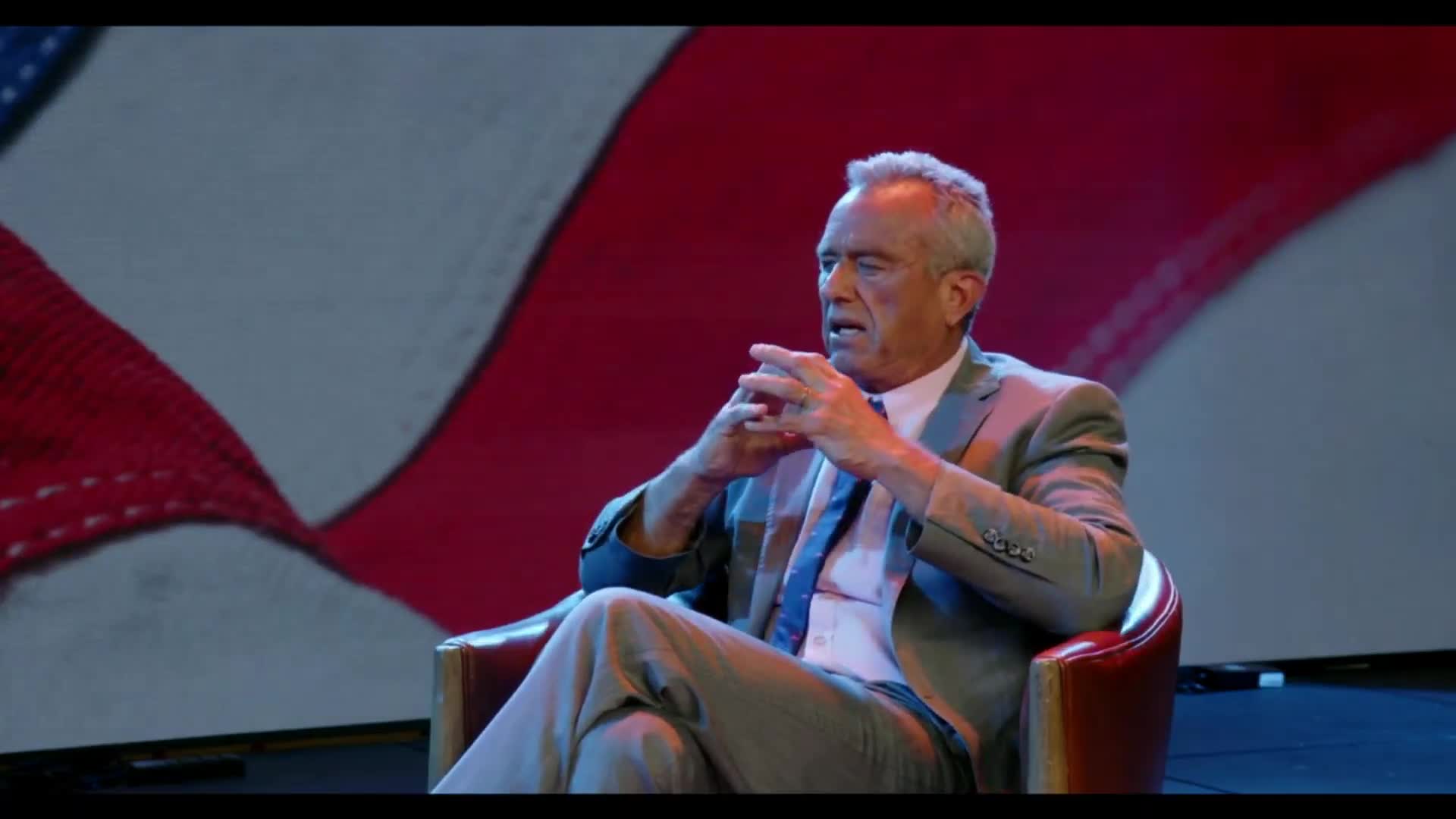
In a recent government meeting, discussions centered around the implications of monetary policy and the relationship between Congress and the Federal Reserve. A prominent speaker criticized the previous administration for its fiscal policies, claiming that the printing of $8 trillion during that time exceeded the total amount printed by all past presidents combined. This action, he argued, constituted an assault on the U.S. Constitution and led to significant censorship of speech, which he is currently litigating against.
The speaker expressed concerns about the Biden administration's continuation of these practices, alleging that it has further utilized federal agencies like the CIA and FBI to censor American citizens on social media. He also criticized former President Trump for closing churches for a year without scientific justification and for compromising First Amendment rights through social distancing regulations.
A significant portion of the discussion focused on the Federal Reserve's role in money creation and its constitutional implications. The speaker highlighted a lack of understanding among the general public and even financial professionals regarding how money is created and the authority behind it. He pointed out that much of the recent debt was financed through newly printed money rather than through citizens' savings.
The speaker raised questions about the legitimacy of the Federal Reserve, suggesting that a court case may challenge its constitutionality. He emphasized that the power to create money, which was originally vested in Congress, has been transferred to the Federal Reserve and the private banking industry since 1913. This relationship, he described as both parasitical and symbiotic, raises concerns about the long-term consequences of unchecked monetary policy.
In conclusion, the speaker stated that if he were president, he would not continue the current practices of the Federal Reserve, asserting that the ability to print unlimited currency poses a threat to the nation's stability. The meeting underscored the ongoing debate about fiscal responsibility and the need for a reevaluation of the Federal Reserve's influence on American economic policy.
The speaker expressed concerns about the Biden administration's continuation of these practices, alleging that it has further utilized federal agencies like the CIA and FBI to censor American citizens on social media. He also criticized former President Trump for closing churches for a year without scientific justification and for compromising First Amendment rights through social distancing regulations.
A significant portion of the discussion focused on the Federal Reserve's role in money creation and its constitutional implications. The speaker highlighted a lack of understanding among the general public and even financial professionals regarding how money is created and the authority behind it. He pointed out that much of the recent debt was financed through newly printed money rather than through citizens' savings.
The speaker raised questions about the legitimacy of the Federal Reserve, suggesting that a court case may challenge its constitutionality. He emphasized that the power to create money, which was originally vested in Congress, has been transferred to the Federal Reserve and the private banking industry since 1913. This relationship, he described as both parasitical and symbiotic, raises concerns about the long-term consequences of unchecked monetary policy.
In conclusion, the speaker stated that if he were president, he would not continue the current practices of the Federal Reserve, asserting that the ability to print unlimited currency poses a threat to the nation's stability. The meeting underscored the ongoing debate about fiscal responsibility and the need for a reevaluation of the Federal Reserve's influence on American economic policy.
Don't Miss a Word: See the Full Meeting!
Go beyond summaries. Unlock every video, transcript, and key insight with a Founder Membership.
✓
Get instant access to full meeting videos
✓
Search and clip any phrase from complete transcripts
✓
Receive AI-powered summaries & custom alerts
✓
Enjoy lifetime, unrestricted access to government data
30-day money-back guarantee
