Tenants gain new protections against excessive rent increases
July 12, 2024 | Torrington, Northwest Hills County, Connecticut
This article was created by AI summarizing key points discussed. AI makes mistakes, so for full details and context, please refer to the video of the full meeting. Please report any errors so we can fix them. Report an error »
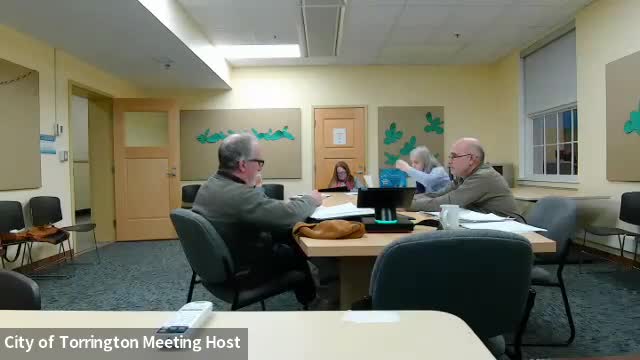
During a recent government meeting, officials discussed the complexities surrounding rental agreements and tenant protections under current statutes. A key focus was on the potential for landlords to be ordered to reduce rents deemed excessive, particularly in cases where services previously included in the rent, such as utilities, are no longer provided.
One official highlighted that tenants could file complaints with the Fair Rent Commission if they believe their rent is excessive, even if they have not yet signed a lease. This provision allows prospective tenants to address concerns about rental costs before committing to a lease agreement. The discussion underscored the importance of tenant rights, emphasizing that protections are primarily extended to individuals who are already tenants.
An illustrative case was presented where a tenant had been paying $700 a month while covering his own utilities. An agreement was reached to increase the rent to $850, with the landlord assuming responsibility for utilities. However, concerns were raised about the landlord's intention to raise the rent again in July, prompting the tenant to seek further clarification on his rights. Officials reassured him that he could file another complaint if the landlord attempted to increase the rent after the lease was signed.
The meeting also touched on eviction processes, noting that the most common ground for eviction is nonpayment of rent. Officials clarified that a \"lapse of time\" refers to situations where a lease expires without renewal, which can also lead to eviction proceedings.
Overall, the discussions highlighted ongoing efforts to navigate the balance between landlord interests and tenant protections, ensuring that tenants have avenues to address grievances related to rental agreements.
One official highlighted that tenants could file complaints with the Fair Rent Commission if they believe their rent is excessive, even if they have not yet signed a lease. This provision allows prospective tenants to address concerns about rental costs before committing to a lease agreement. The discussion underscored the importance of tenant rights, emphasizing that protections are primarily extended to individuals who are already tenants.
An illustrative case was presented where a tenant had been paying $700 a month while covering his own utilities. An agreement was reached to increase the rent to $850, with the landlord assuming responsibility for utilities. However, concerns were raised about the landlord's intention to raise the rent again in July, prompting the tenant to seek further clarification on his rights. Officials reassured him that he could file another complaint if the landlord attempted to increase the rent after the lease was signed.
The meeting also touched on eviction processes, noting that the most common ground for eviction is nonpayment of rent. Officials clarified that a \"lapse of time\" refers to situations where a lease expires without renewal, which can also lead to eviction proceedings.
Overall, the discussions highlighted ongoing efforts to navigate the balance between landlord interests and tenant protections, ensuring that tenants have avenues to address grievances related to rental agreements.
View the Full Meeting & All Its Details
This article offers just a summary. Unlock complete video, transcripts, and insights as a Founder Member.
✓
Watch full, unedited meeting videos
✓
Search every word spoken in unlimited transcripts
✓
AI summaries & real-time alerts (all government levels)
✓
Permanent access to expanding government content
30-day money-back guarantee
