Water Wars Heat Up as Colorado River Negotiations Stall
This article was created by AI summarizing key points discussed. AI makes mistakes, so for full details and context, please refer to the video of the full meeting. Please report any errors so we can fix them. Report an error »
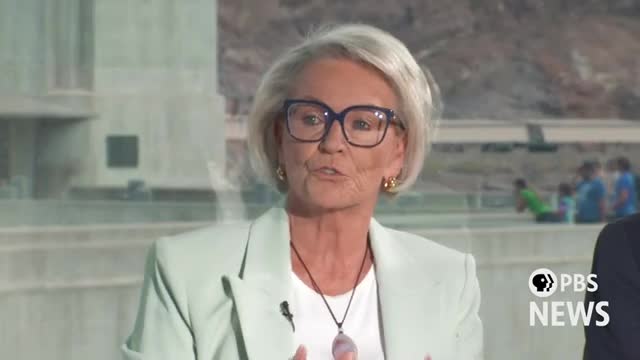
In a recent government meeting, discussions centered on the ongoing negotiations regarding water rights in the Colorado River basin, highlighting the complexities and urgent need for resolution among various stakeholders. The Southern Nevada Water Authority, along with other regional entities, is engaged in negotiations that appear to be stalled, with significant differences in positions.
Veteran water experts, Jim Lochhead and Pat Marwy, emphasized the necessity of direct engagement among negotiators, suggesting that locking parties in a room until an agreement is reached could expedite the process. They advocated for a comprehensive approach that not only addresses the operational aspects of Lake Mead and Lake Powell but also incorporates environmental protections and sustainable funding mechanisms.
The meeting also shed light on the critical role of the Imperial Valley in the agricultural landscape of the United States. JB Hamby, chairman of the Imperial Irrigation District and California's representative on Colorado River matters, detailed the region's agricultural output, which includes a significant portion of the nation's leafy vegetables. He noted that the Imperial Valley, with its fertile soil and extensive irrigation, holds senior water rights, allowing farmers to access over 10 trillion gallons of Colorado River water annually—70% of California's total allocation.
The discussion also touched on the controversial cultivation of alfalfa in the region, which is water-intensive and largely exported, raising concerns about water usage in a time of scarcity. Hamby acknowledged the importance of balancing agricultural needs with sustainable water management as negotiations continue.
As the clock ticks on these critical discussions, the urgency for a collaborative solution that benefits all parties involved remains paramount. The outcome of these negotiations will have lasting implications for water management and agricultural practices in the region.
Veteran water experts, Jim Lochhead and Pat Marwy, emphasized the necessity of direct engagement among negotiators, suggesting that locking parties in a room until an agreement is reached could expedite the process. They advocated for a comprehensive approach that not only addresses the operational aspects of Lake Mead and Lake Powell but also incorporates environmental protections and sustainable funding mechanisms.
The meeting also shed light on the critical role of the Imperial Valley in the agricultural landscape of the United States. JB Hamby, chairman of the Imperial Irrigation District and California's representative on Colorado River matters, detailed the region's agricultural output, which includes a significant portion of the nation's leafy vegetables. He noted that the Imperial Valley, with its fertile soil and extensive irrigation, holds senior water rights, allowing farmers to access over 10 trillion gallons of Colorado River water annually—70% of California's total allocation.
The discussion also touched on the controversial cultivation of alfalfa in the region, which is water-intensive and largely exported, raising concerns about water usage in a time of scarcity. Hamby acknowledged the importance of balancing agricultural needs with sustainable water management as negotiations continue.
As the clock ticks on these critical discussions, the urgency for a collaborative solution that benefits all parties involved remains paramount. The outcome of these negotiations will have lasting implications for water management and agricultural practices in the region.
View the Full Meeting & All Its Details
This article offers just a summary. Unlock complete video, transcripts, and insights as a Founder Member.
✓
Watch full, unedited meeting videos
✓
Search every word spoken in unlimited transcripts
✓
AI summaries & real-time alerts (all government levels)
✓
Permanent access to expanding government content
30-day money-back guarantee
