Water Wars Loom as Drought Forces Tough Choices
This article was created by AI summarizing key points discussed. AI makes mistakes, so for full details and context, please refer to the video of the full meeting. Please report any errors so we can fix them. Report an error »
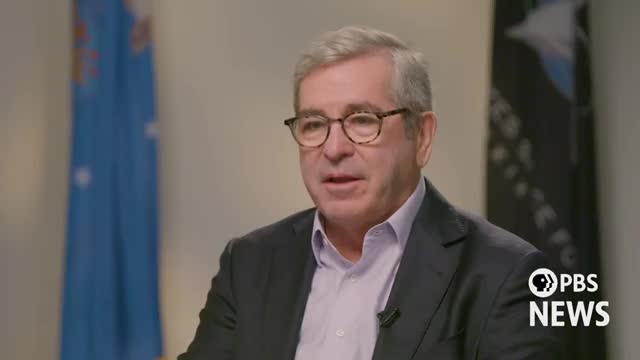
In a recent government meeting, officials highlighted the urgent need to address the escalating water crisis affecting the Colorado River, where current usage exceeds supply by approximately 20%. With reservoirs nearing depletion, discussions centered on the necessity of reducing water deliveries by 10 to 20%. The meeting underscored the contentious nature of water allocation, particularly between agricultural and urban needs, as cities like Phoenix grapple with the implications of historical water rights that favor long-established agricultural practices.
Participants acknowledged that the current system, based on century-old assumptions about water availability, is no longer sustainable. The debate over water rights has intensified, with urban areas advocating for a reallocation of resources from agriculture to meet growing demands. Officials noted that over half of Arizona's Colorado River water is used for alfalfa farming, raising questions about the viability of such allocations in a time of scarcity.
The conversation also touched on the potential for compensation systems to encourage farmers to adopt less water-intensive crops, although this remains a politically sensitive issue. As urban populations swell, particularly in Phoenix, the pressure for change is mounting. The meeting participants agreed that a shift in water use from agriculture to urban areas is inevitable, but the timeline and economic impacts on farmers remain uncertain.
Moreover, the role of the federal government, particularly the Interior Department, was discussed. While states have expressed a desire for autonomy in negotiations, there is a growing recognition that federal involvement may be necessary to facilitate a resolution. The meeting concluded with a commitment from various stakeholders to seek compromises, although significant challenges remain, particularly regarding the willingness of upper basin states to acknowledge their role in the crisis.
As negotiations continue, the urgency for a collaborative approach to water management in the Colorado River basin has never been clearer, with the future of millions of residents and vast agricultural interests hanging in the balance.
Participants acknowledged that the current system, based on century-old assumptions about water availability, is no longer sustainable. The debate over water rights has intensified, with urban areas advocating for a reallocation of resources from agriculture to meet growing demands. Officials noted that over half of Arizona's Colorado River water is used for alfalfa farming, raising questions about the viability of such allocations in a time of scarcity.
The conversation also touched on the potential for compensation systems to encourage farmers to adopt less water-intensive crops, although this remains a politically sensitive issue. As urban populations swell, particularly in Phoenix, the pressure for change is mounting. The meeting participants agreed that a shift in water use from agriculture to urban areas is inevitable, but the timeline and economic impacts on farmers remain uncertain.
Moreover, the role of the federal government, particularly the Interior Department, was discussed. While states have expressed a desire for autonomy in negotiations, there is a growing recognition that federal involvement may be necessary to facilitate a resolution. The meeting concluded with a commitment from various stakeholders to seek compromises, although significant challenges remain, particularly regarding the willingness of upper basin states to acknowledge their role in the crisis.
As negotiations continue, the urgency for a collaborative approach to water management in the Colorado River basin has never been clearer, with the future of millions of residents and vast agricultural interests hanging in the balance.
View the Full Meeting & All Its Details
This article offers just a summary. Unlock complete video, transcripts, and insights as a Founder Member.
✓
Watch full, unedited meeting videos
✓
Search every word spoken in unlimited transcripts
✓
AI summaries & real-time alerts (all government levels)
✓
Permanent access to expanding government content
30-day money-back guarantee
