Water Crisis Sparks Urgent Call for Sustainable Solutions
This article was created by AI summarizing key points discussed. AI makes mistakes, so for full details and context, please refer to the video of the full meeting. Please report any errors so we can fix them. Report an error »
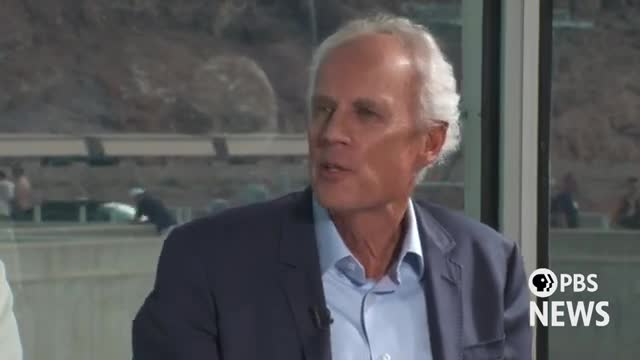
In a recent government meeting, officials discussed the pressing issue of water scarcity in the western United States, particularly in light of ongoing population growth and climate change. The conversation highlighted the need for innovative solutions to manage water resources more effectively, especially in regions like Las Vegas, where traditional landscaping practices are being reevaluated.
One significant initiative mentioned was a program modeled after Las Vegas's efforts to incentivize residents to replace nonfunctional turf with more sustainable landscaping. This move aims to reduce water consumption, which currently accounts for about 50% of irrigation during peak seasons. The discussion underscored the importance of adapting landscaping practices to the local environment to conserve water.
A viewer's question raised concerns about the sustainability of continued population growth in water-scarce areas. Officials responded by emphasizing the need for denser urban development to minimize water use and avoid sprawling subdivisions that require extensive irrigation. They noted that while southern Nevada has reduced its water consumption from 360,000 acre-feet to approximately 223,000 acre-feet annually, the challenge remains to balance growth with resource management.
The meeting also touched on the complexities of interstate negotiations regarding water allocation, particularly between the Upper and Lower Basin states. Officials acknowledged that while the Lower Basin has already implemented significant cuts in water usage, the Upper Basin states must also engage in discussions about equitable reductions. The need for a comprehensive, basin-wide solution was highlighted, with calls for collaboration to address the shared challenges of water scarcity.
Desalination was proposed as a potential part of the solution, although officials cautioned that it should not be viewed as a standalone fix. The high costs and environmental impacts associated with desalination technology necessitate careful consideration and integration into a broader strategy for water management.
As the federal government prepares to revise operational guidelines by 2026, there is a growing urgency for states to come together and negotiate a sustainable path forward. The meeting concluded with a recognition of the critical role of leadership and cooperation in addressing the water crisis, as well as the potential consequences of federal intervention if states fail to reach an agreement.
One significant initiative mentioned was a program modeled after Las Vegas's efforts to incentivize residents to replace nonfunctional turf with more sustainable landscaping. This move aims to reduce water consumption, which currently accounts for about 50% of irrigation during peak seasons. The discussion underscored the importance of adapting landscaping practices to the local environment to conserve water.
A viewer's question raised concerns about the sustainability of continued population growth in water-scarce areas. Officials responded by emphasizing the need for denser urban development to minimize water use and avoid sprawling subdivisions that require extensive irrigation. They noted that while southern Nevada has reduced its water consumption from 360,000 acre-feet to approximately 223,000 acre-feet annually, the challenge remains to balance growth with resource management.
The meeting also touched on the complexities of interstate negotiations regarding water allocation, particularly between the Upper and Lower Basin states. Officials acknowledged that while the Lower Basin has already implemented significant cuts in water usage, the Upper Basin states must also engage in discussions about equitable reductions. The need for a comprehensive, basin-wide solution was highlighted, with calls for collaboration to address the shared challenges of water scarcity.
Desalination was proposed as a potential part of the solution, although officials cautioned that it should not be viewed as a standalone fix. The high costs and environmental impacts associated with desalination technology necessitate careful consideration and integration into a broader strategy for water management.
As the federal government prepares to revise operational guidelines by 2026, there is a growing urgency for states to come together and negotiate a sustainable path forward. The meeting concluded with a recognition of the critical role of leadership and cooperation in addressing the water crisis, as well as the potential consequences of federal intervention if states fail to reach an agreement.
View the Full Meeting & All Its Details
This article offers just a summary. Unlock complete video, transcripts, and insights as a Founder Member.
✓
Watch full, unedited meeting videos
✓
Search every word spoken in unlimited transcripts
✓
AI summaries & real-time alerts (all government levels)
✓
Permanent access to expanding government content
30-day money-back guarantee
