House bills spark fierce debate over eviction and squatting laws
June 11, 2024 | Criminal Justice, House of Representatives, Committees, Legislative, Ohio
This article was created by AI summarizing key points discussed. AI makes mistakes, so for full details and context, please refer to the video of the full meeting. Please report any errors so we can fix them. Report an error »
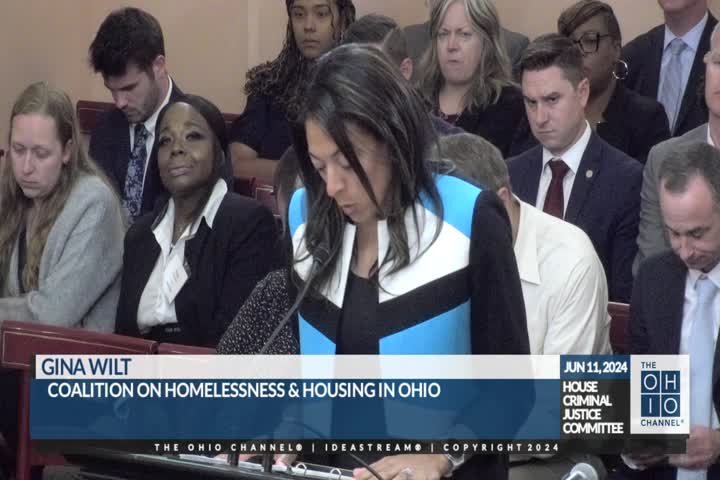
In a recent Ohio House Criminal Justice Committee meeting, lawmakers discussed proposed legislation aimed at addressing squatting and eviction processes. The bills, House Bill 478 and House Bill 480, would allow property owners to expedite the removal of unauthorized occupants by submitting an affidavit to law enforcement, bypassing the traditional court eviction process.
Supporters of the bills argue that they are necessary to protect property owners from squatters, particularly in light of reports from other states where squatters can claim adverse possession after just 30 days. They contend that Ohio's current law, which requires 21 years of continuous occupation for adverse possession claims, is insufficient to deter unauthorized occupancy.
However, opponents, including legal aid representatives, raised significant concerns about the potential for wrongful evictions and the erosion of due process. They emphasized that the proposed measures could lead to legitimate tenants being removed without adequate notice or the opportunity to contest their eviction in court. Testimonies highlighted the risks faced by vulnerable populations, including families and individuals living under oral lease agreements, who could be disproportionately affected by the expedited process.
Critics also pointed out that the existing eviction process in Ohio is already designed to be swift, typically allowing for resolution within 30 days. They argued that the new legislation could create more harm than good, as it shifts the responsibility of determining tenancy status to law enforcement officers, who may not be equipped to handle such complex legal issues.
The discussion underscored a broader concern about balancing property rights with tenant protections, particularly in a state grappling with rising homelessness and housing insecurity. As the committee continues to deliberate on these bills, stakeholders are calling for more comprehensive solutions that address the root causes of squatting while ensuring that the rights of all parties involved are respected.
Supporters of the bills argue that they are necessary to protect property owners from squatters, particularly in light of reports from other states where squatters can claim adverse possession after just 30 days. They contend that Ohio's current law, which requires 21 years of continuous occupation for adverse possession claims, is insufficient to deter unauthorized occupancy.
However, opponents, including legal aid representatives, raised significant concerns about the potential for wrongful evictions and the erosion of due process. They emphasized that the proposed measures could lead to legitimate tenants being removed without adequate notice or the opportunity to contest their eviction in court. Testimonies highlighted the risks faced by vulnerable populations, including families and individuals living under oral lease agreements, who could be disproportionately affected by the expedited process.
Critics also pointed out that the existing eviction process in Ohio is already designed to be swift, typically allowing for resolution within 30 days. They argued that the new legislation could create more harm than good, as it shifts the responsibility of determining tenancy status to law enforcement officers, who may not be equipped to handle such complex legal issues.
The discussion underscored a broader concern about balancing property rights with tenant protections, particularly in a state grappling with rising homelessness and housing insecurity. As the committee continues to deliberate on these bills, stakeholders are calling for more comprehensive solutions that address the root causes of squatting while ensuring that the rights of all parties involved are respected.
View the Full Meeting & All Its Details
This article offers just a summary. Unlock complete video, transcripts, and insights as a Founder Member.
✓
Watch full, unedited meeting videos
✓
Search every word spoken in unlimited transcripts
✓
AI summaries & real-time alerts (all government levels)
✓
Permanent access to expanding government content
30-day money-back guarantee
