Inmates gain skills and purpose through unique shoe factory program
June 14, 2024 | Department of Criminal Justice (TDCJ), Departments and Agencies, Executive, Texas
This article was created by AI summarizing key points discussed. AI makes mistakes, so for full details and context, please refer to the video of the full meeting. Please report any errors so we can fix them. Report an error »
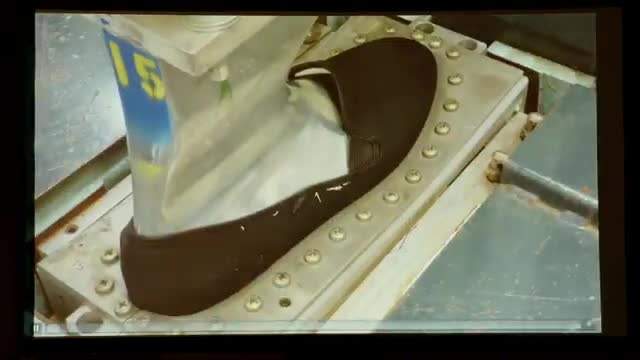
In a recent government meeting, officials highlighted the unique contributions of Texas Department of Criminal Justice's (TDCJ) shoe factory, which provides inmates with essential job skills and a sense of purpose. The factory, the only one of its kind in Texas, offers training in various technical skills, including welding, forklift operation, and clerical work. Inmates expressed gratitude for the opportunity to learn and work, emphasizing the importance of having a structured environment and the chance to develop a work ethic that can aid their reintegration into society.
Currently, 255 inmates are employed at the shoe factory, which operates two shifts. The products manufactured, primarily canvas shoes and blankets, are supplied to detention centers and state jails, directly benefiting the inmate population. The program aims to enhance inmates' employability upon release, fostering a sense of accomplishment and teamwork among participants.
Additionally, the meeting addressed the rollout of body-worn cameras across TDCJ facilities. The initiative, which began at the Polunsky Unit, involves the deployment of nearly 13,000 cameras across 23 facilities, surpassing the number used by the Chicago Police Department. The cameras are intended to promote transparency, improve safety for correctional officers, and provide an objective record of incidents. Early feedback from staff has been positive, with officers appreciating the added security and professionalism the cameras bring to their roles.
The body-worn camera program is expected to take over a year to fully implement, with ongoing assessments to track its impact on both staff and inmate behavior. The initiative is part of a broader effort to enhance safety and accountability within the correctional system, aligning with TDCJ's mission to improve the overall environment for both employees and inmates.
Currently, 255 inmates are employed at the shoe factory, which operates two shifts. The products manufactured, primarily canvas shoes and blankets, are supplied to detention centers and state jails, directly benefiting the inmate population. The program aims to enhance inmates' employability upon release, fostering a sense of accomplishment and teamwork among participants.
Additionally, the meeting addressed the rollout of body-worn cameras across TDCJ facilities. The initiative, which began at the Polunsky Unit, involves the deployment of nearly 13,000 cameras across 23 facilities, surpassing the number used by the Chicago Police Department. The cameras are intended to promote transparency, improve safety for correctional officers, and provide an objective record of incidents. Early feedback from staff has been positive, with officers appreciating the added security and professionalism the cameras bring to their roles.
The body-worn camera program is expected to take over a year to fully implement, with ongoing assessments to track its impact on both staff and inmate behavior. The initiative is part of a broader effort to enhance safety and accountability within the correctional system, aligning with TDCJ's mission to improve the overall environment for both employees and inmates.
View the Full Meeting & All Its Details
This article offers just a summary. Unlock complete video, transcripts, and insights as a Founder Member.
✓
Watch full, unedited meeting videos
✓
Search every word spoken in unlimited transcripts
✓
AI summaries & real-time alerts (all government levels)
✓
Permanent access to expanding government content
30-day money-back guarantee
