Dallas targets 50% reduction in unsheltered homelessness by 2026
June 24, 2024 | Dallas, Dallas County, Texas
This article was created by AI summarizing key points discussed. AI makes mistakes, so for full details and context, please refer to the video of the full meeting. Please report any errors so we can fix them. Report an error »
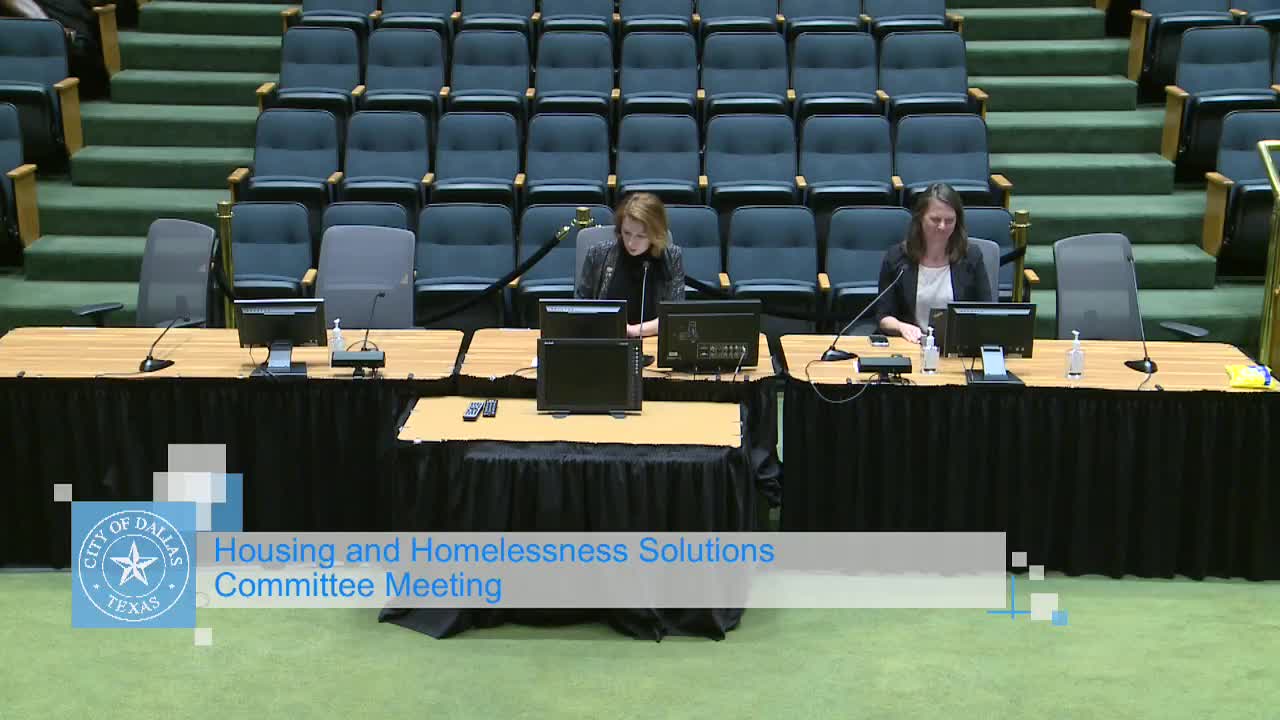
In a recent government meeting, officials provided a comprehensive quarterly update on the city's homelessness system, focusing on the Real Time Rehousing Program and its impact on reducing homelessness in Dallas. The meeting highlighted significant progress made since 2021, including a 19% overall reduction in homelessness, marking the lowest count since 2015. This achievement is attributed to strategic investments in rehousing interventions and a shift from emergency shelters to permanent housing solutions.
Sarah, a key presenter, emphasized the importance of early intervention through diversion strategies, which have increased rehousing interventions by 44% between 2021 and 2024. The city has successfully housed over 10,100 individuals and families, contributing to a notable decrease in unsheltered homelessness. However, officials acknowledged that the progress remains fragile, particularly in light of the ongoing affordable housing crisis, which continues to drive new cases of homelessness.
The meeting also celebrated a significant milestone: Dallas has been recognized for effectively ending veteran homelessness. This designation reflects a coordinated system that quickly connects veterans experiencing homelessness to permanent housing and services. The community's efforts have been validated through rigorous data benchmarks set by the federal government.
Looking ahead, the All Neighbors Coalition aims for a 50% reduction in unsheltered homelessness by 2026, necessitating a $30 million rehousing initiative. This initiative will build on existing efforts and introduce a targeted street-to-home model to address encampments and provide wraparound services directly on-site.
Officials stressed the need for continued collaboration between public and private sectors to sustain progress and address the root causes of homelessness. The launch of a community-wide performance dashboard was also announced, designed to track progress across various system components and enhance transparency.
Despite the positive developments, concerns were raised about the visibility of homelessness in the community, with some council members expressing skepticism about the accuracy of data reflecting the current situation. The meeting concluded with a commitment to ongoing outreach and support for individuals experiencing homelessness, emphasizing the importance of data-driven strategies to inform future actions.
Sarah, a key presenter, emphasized the importance of early intervention through diversion strategies, which have increased rehousing interventions by 44% between 2021 and 2024. The city has successfully housed over 10,100 individuals and families, contributing to a notable decrease in unsheltered homelessness. However, officials acknowledged that the progress remains fragile, particularly in light of the ongoing affordable housing crisis, which continues to drive new cases of homelessness.
The meeting also celebrated a significant milestone: Dallas has been recognized for effectively ending veteran homelessness. This designation reflects a coordinated system that quickly connects veterans experiencing homelessness to permanent housing and services. The community's efforts have been validated through rigorous data benchmarks set by the federal government.
Looking ahead, the All Neighbors Coalition aims for a 50% reduction in unsheltered homelessness by 2026, necessitating a $30 million rehousing initiative. This initiative will build on existing efforts and introduce a targeted street-to-home model to address encampments and provide wraparound services directly on-site.
Officials stressed the need for continued collaboration between public and private sectors to sustain progress and address the root causes of homelessness. The launch of a community-wide performance dashboard was also announced, designed to track progress across various system components and enhance transparency.
Despite the positive developments, concerns were raised about the visibility of homelessness in the community, with some council members expressing skepticism about the accuracy of data reflecting the current situation. The meeting concluded with a commitment to ongoing outreach and support for individuals experiencing homelessness, emphasizing the importance of data-driven strategies to inform future actions.
Don't Miss a Word: See the Full Meeting!
Go beyond summaries. Unlock every video, transcript, and key insight with a Founder Membership.
✓
Get instant access to full meeting videos
✓
Search and clip any phrase from complete transcripts
✓
Receive AI-powered summaries & custom alerts
✓
Enjoy lifetime, unrestricted access to government data
30-day money-back guarantee
