Older adults face housing crisis as needs soar
July 25, 2024 | Financial Services: House Committee, Standing Committees - House & Senate, Congressional Hearings Compilation, Legislative, Federal
This article was created by AI summarizing key points discussed. AI makes mistakes, so for full details and context, please refer to the video of the full meeting. Please report any errors so we can fix them. Report an error »
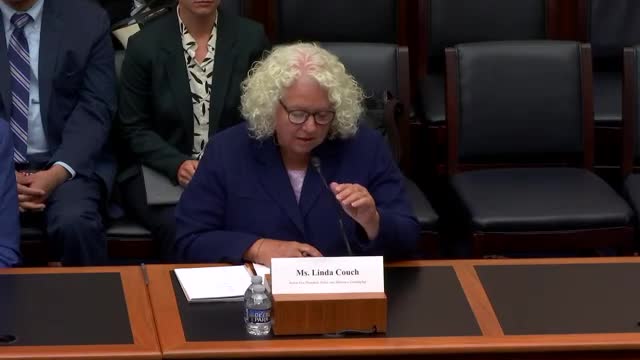
In a recent government meeting, representatives from Leading Age, a national association of over 5,400 nonprofit aging services providers, highlighted the urgent housing crisis facing older adults in the United States. The organization emphasized that its members, which include affordable housing providers, nursing homes, and home health services, serve thousands of older adults annually, relying heavily on federal programs for essential resources.
The average annual income for a HUD-assisted older adult household is approximately $16,262, necessitating that rent and utilities remain below $375 per month. However, the representatives warned that without public subsidies, the math simply does not add up. They pointed out that HUD's three largest programs currently serve nearly 300,000 fewer households than in 2004, only meeting the needs of one in three eligible older adult households.
The latest HUD report revealed a staggering 2.35 million older adult renter households with very low incomes are spending over half their income on housing—a 60% increase since 2011 and a 130% increase since 1999. This report, historically viewed as a warning signal for Congress regarding rising affordability challenges, has not prompted adequate funding responses. In fact, shortly after receiving the report, Congress eliminated funding for new Section 202 supportive housing for the elderly, which specifically targets very low-income households facing severe housing cost burdens.
The consequences of these funding cuts are dire. Between 2019 and 2021, the number of older adult households experiencing chronic homelessness surged by 73%, making older adults the fastest-growing demographic among the homeless population. The representatives expressed frustration over the long waiting lists for affordable senior housing, with some members reporting wait times of two to seven years. For instance, a housing provider in Manhattan received over 10,000 applications for just 150 spots opened in September 2023.
The meeting underscored a critical message: the federal housing safety net for older adults is in disarray, leaving many in desperate need without timely access to affordable housing solutions. As the situation worsens, the call for immediate action and increased investment in housing resources for older adults has never been more urgent.
The average annual income for a HUD-assisted older adult household is approximately $16,262, necessitating that rent and utilities remain below $375 per month. However, the representatives warned that without public subsidies, the math simply does not add up. They pointed out that HUD's three largest programs currently serve nearly 300,000 fewer households than in 2004, only meeting the needs of one in three eligible older adult households.
The latest HUD report revealed a staggering 2.35 million older adult renter households with very low incomes are spending over half their income on housing—a 60% increase since 2011 and a 130% increase since 1999. This report, historically viewed as a warning signal for Congress regarding rising affordability challenges, has not prompted adequate funding responses. In fact, shortly after receiving the report, Congress eliminated funding for new Section 202 supportive housing for the elderly, which specifically targets very low-income households facing severe housing cost burdens.
The consequences of these funding cuts are dire. Between 2019 and 2021, the number of older adult households experiencing chronic homelessness surged by 73%, making older adults the fastest-growing demographic among the homeless population. The representatives expressed frustration over the long waiting lists for affordable senior housing, with some members reporting wait times of two to seven years. For instance, a housing provider in Manhattan received over 10,000 applications for just 150 spots opened in September 2023.
The meeting underscored a critical message: the federal housing safety net for older adults is in disarray, leaving many in desperate need without timely access to affordable housing solutions. As the situation worsens, the call for immediate action and increased investment in housing resources for older adults has never been more urgent.
View the Full Meeting & All Its Details
This article offers just a summary. Unlock complete video, transcripts, and insights as a Founder Member.
✓
Watch full, unedited meeting videos
✓
Search every word spoken in unlimited transcripts
✓
AI summaries & real-time alerts (all government levels)
✓
Permanent access to expanding government content
30-day money-back guarantee
