AI Fuels Rental Market Monopoly and Tenant Challenges
July 23, 2024 | Financial Services: House Committee, Standing Committees - House & Senate, Congressional Hearings Compilation, Legislative, Federal
This article was created by AI summarizing key points discussed. AI makes mistakes, so for full details and context, please refer to the video of the full meeting. Please report any errors so we can fix them. Report an error »
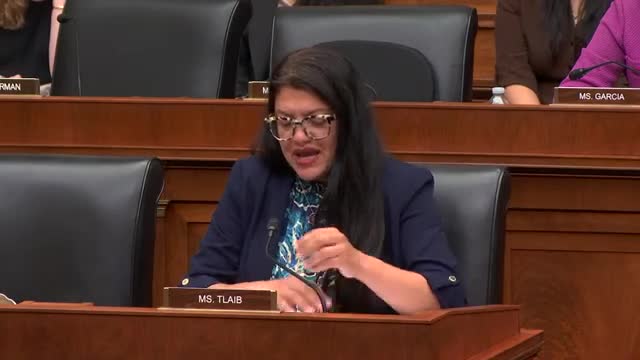
In a recent government meeting, discussions centered around the impact of artificial intelligence (AI) on the real estate market, particularly in the realm of single-family rentals. Officials highlighted the growing influence of institutional investors, who have increasingly utilized AI and big data to dominate the rental market. For instance, it was noted that these investors have acquired over half of the single-family rentals in Atlanta and control approximately 75% of rental homes near Nashville, Tennessee.
Concerns were raised about the opacity of these transactions, as many institutional investors operate through limited liability companies (LLCs) and special purpose vehicles, making it difficult to ascertain their true market share. The use of AI-driven software, such as RealPage, by landlords to set rental prices was also discussed, with reports indicating that 90% of rental units in large buildings in the Washington, D.C. area are priced using this technology.
Congresswoman Tlaib emphasized the challenges posed by AI in facilitating market concentration and manipulation, suggesting that larger institutions have a significant advantage in acquiring the vast datasets necessary for effective AI modeling. She called for a legislative framework that is both principles-based and outcomes-based to govern AI systems effectively.
The meeting also touched on the implications of AI for tenant rights, with Tlaib noting that technology has often favored landlords over tenants. The deployment of various technologies by landlords for tenant screening, payment collection, and eviction processes raises concerns about bias and digital surveillance, highlighting the need for regulatory measures to protect vulnerable populations in the rental market.
Overall, the discussions underscored the urgent need for legislative action to address the challenges posed by AI in the housing sector, particularly in ensuring fair practices and transparency in rental markets.
Concerns were raised about the opacity of these transactions, as many institutional investors operate through limited liability companies (LLCs) and special purpose vehicles, making it difficult to ascertain their true market share. The use of AI-driven software, such as RealPage, by landlords to set rental prices was also discussed, with reports indicating that 90% of rental units in large buildings in the Washington, D.C. area are priced using this technology.
Congresswoman Tlaib emphasized the challenges posed by AI in facilitating market concentration and manipulation, suggesting that larger institutions have a significant advantage in acquiring the vast datasets necessary for effective AI modeling. She called for a legislative framework that is both principles-based and outcomes-based to govern AI systems effectively.
The meeting also touched on the implications of AI for tenant rights, with Tlaib noting that technology has often favored landlords over tenants. The deployment of various technologies by landlords for tenant screening, payment collection, and eviction processes raises concerns about bias and digital surveillance, highlighting the need for regulatory measures to protect vulnerable populations in the rental market.
Overall, the discussions underscored the urgent need for legislative action to address the challenges posed by AI in the housing sector, particularly in ensuring fair practices and transparency in rental markets.
View the Full Meeting & All Its Details
This article offers just a summary. Unlock complete video, transcripts, and insights as a Founder Member.
✓
Watch full, unedited meeting videos
✓
Search every word spoken in unlimited transcripts
✓
AI summaries & real-time alerts (all government levels)
✓
Permanent access to expanding government content
30-day money-back guarantee
