Energy projects boost resilience in disadvantaged communities
July 18, 2024 | Department of Public Service, State Agencies, Executive , New York
This article was created by AI summarizing key points discussed. AI makes mistakes, so for full details and context, please refer to the video of the full meeting. Please report any errors so we can fix them. Report an error »
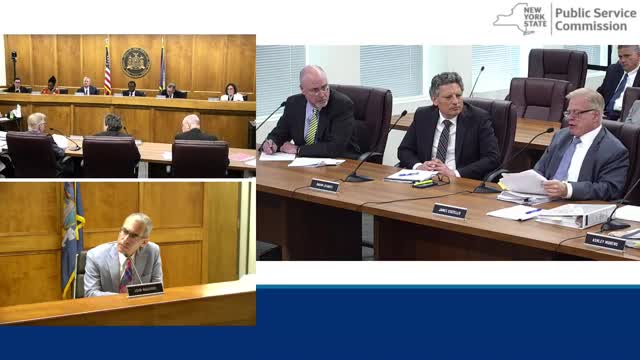
In a recent government meeting, officials discussed significant advancements in energy infrastructure aimed at supporting disadvantaged communities and meeting statewide climate goals. A pilot thermal energy network project is set to be established in a disadvantaged area, aligning with ongoing regulatory requirements from the commission.
The meeting highlighted 21 capital electric projects under the Climate Leadership and Community Protection Act (CLCPA) that are designed to enhance safety, reliability, and renewable energy delivery. These initiatives are expected to provide an additional 547 megawatts of capacity, contributing significantly to the state's renewable energy objectives.
In terms of gas infrastructure, the company plans to replace 15 miles of leak-prone pipes annually and implement a new leak-prone services replacement program. These efforts are part of a broader strategy to reduce methane emissions and improve the safety of the gas system. Additionally, the company is exploring the purchase of responsibly sourced gas and conducting a feasibility study on clean hydrogen to further decrease greenhouse gas emissions.
The review of the electric capital portfolio indicated that projects located in disadvantaged communities would enhance system resilience and reliability while supporting the installation of renewable energy sources. Notably, it was reported that approximately 48% of greenhouse gas reduction benefits from these initiatives would accrue to disadvantaged communities by 2030.
The meeting also addressed the financial implications for ratepayers, with officials noting a reduction in the impact of proposed costs by approximately 50%, demonstrating a commitment to balancing infrastructure investment with affordability for consumers. Overall, the discussions underscored a concerted effort to align energy projects with environmental goals while prioritizing the needs of vulnerable communities.
The meeting highlighted 21 capital electric projects under the Climate Leadership and Community Protection Act (CLCPA) that are designed to enhance safety, reliability, and renewable energy delivery. These initiatives are expected to provide an additional 547 megawatts of capacity, contributing significantly to the state's renewable energy objectives.
In terms of gas infrastructure, the company plans to replace 15 miles of leak-prone pipes annually and implement a new leak-prone services replacement program. These efforts are part of a broader strategy to reduce methane emissions and improve the safety of the gas system. Additionally, the company is exploring the purchase of responsibly sourced gas and conducting a feasibility study on clean hydrogen to further decrease greenhouse gas emissions.
The review of the electric capital portfolio indicated that projects located in disadvantaged communities would enhance system resilience and reliability while supporting the installation of renewable energy sources. Notably, it was reported that approximately 48% of greenhouse gas reduction benefits from these initiatives would accrue to disadvantaged communities by 2030.
The meeting also addressed the financial implications for ratepayers, with officials noting a reduction in the impact of proposed costs by approximately 50%, demonstrating a commitment to balancing infrastructure investment with affordability for consumers. Overall, the discussions underscored a concerted effort to align energy projects with environmental goals while prioritizing the needs of vulnerable communities.
View the Full Meeting & All Its Details
This article offers just a summary. Unlock complete video, transcripts, and insights as a Founder Member.
✓
Watch full, unedited meeting videos
✓
Search every word spoken in unlimited transcripts
✓
AI summaries & real-time alerts (all government levels)
✓
Permanent access to expanding government content
30-day money-back guarantee
