School board debates crucial funding for elementary counselors
September 15, 2024 | Monrovia Unified, School Districts, California
This article was created by AI summarizing key points discussed. AI makes mistakes, so for full details and context, please refer to the video of the full meeting. Please report any errors so we can fix them. Report an error »
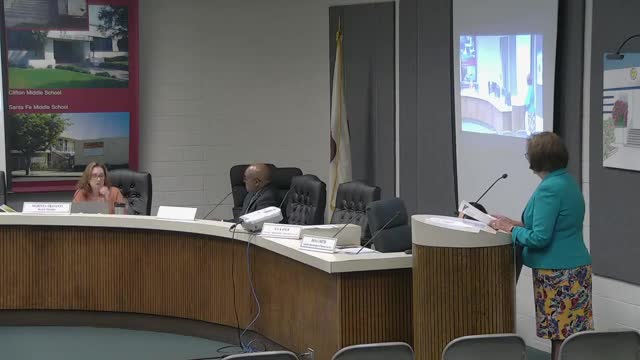
In a recent government meeting, discussions centered on the critical need for additional counseling resources in elementary schools, highlighting both the benefits and financial implications of such initiatives. The board expressed strong support for hiring four new counselors, emphasizing the importance of early intervention in addressing student issues before they escalate in later grades.
Current staffing includes one interventionist per elementary school, which officials noted is insufficient to meet the diverse needs of students. The addition of counselors is seen as a proactive measure to provide necessary one-on-one attention, particularly in the wake of challenges exacerbated by the COVID-19 pandemic.
However, concerns were raised regarding the financial sustainability of these positions amid a backdrop of declining enrollment and budget cuts totaling $461,000. Board members cautioned against adding new staff without a clear long-term funding strategy, recalling the economic downturn of 2008 that led to significant cuts in school services. They stressed the importance of ensuring that any new hires would not face job insecurity due to potential future budget constraints.
Dana, a district representative, reassured the board that the upcoming state budget includes provisions for increased funding, which could support the new counseling positions. The discussion underscored a commitment to mental health support as a priority, with board members advocating for the necessity of counselors in fostering a safe and supportive learning environment.
The meeting concluded with a public hearing on the Local Control Accountability Plan (LCAP), which received no public comments, indicating a lack of immediate community concern or opposition to the proposed initiatives. The board remains focused on balancing the need for essential services with fiscal responsibility as they navigate the complexities of school funding and student support.
Current staffing includes one interventionist per elementary school, which officials noted is insufficient to meet the diverse needs of students. The addition of counselors is seen as a proactive measure to provide necessary one-on-one attention, particularly in the wake of challenges exacerbated by the COVID-19 pandemic.
However, concerns were raised regarding the financial sustainability of these positions amid a backdrop of declining enrollment and budget cuts totaling $461,000. Board members cautioned against adding new staff without a clear long-term funding strategy, recalling the economic downturn of 2008 that led to significant cuts in school services. They stressed the importance of ensuring that any new hires would not face job insecurity due to potential future budget constraints.
Dana, a district representative, reassured the board that the upcoming state budget includes provisions for increased funding, which could support the new counseling positions. The discussion underscored a commitment to mental health support as a priority, with board members advocating for the necessity of counselors in fostering a safe and supportive learning environment.
The meeting concluded with a public hearing on the Local Control Accountability Plan (LCAP), which received no public comments, indicating a lack of immediate community concern or opposition to the proposed initiatives. The board remains focused on balancing the need for essential services with fiscal responsibility as they navigate the complexities of school funding and student support.
View the Full Meeting & All Its Details
This article offers just a summary. Unlock complete video, transcripts, and insights as a Founder Member.
✓
Watch full, unedited meeting videos
✓
Search every word spoken in unlimited transcripts
✓
AI summaries & real-time alerts (all government levels)
✓
Permanent access to expanding government content
30-day money-back guarantee
