City grapples with rising car dependence amid transit challenges
October 07, 2024 | Eau Claire City, Eau Claire County, Wisconsin
This article was created by AI summarizing key points discussed. AI makes mistakes, so for full details and context, please refer to the video of the full meeting. Please report any errors so we can fix them. Report an error »
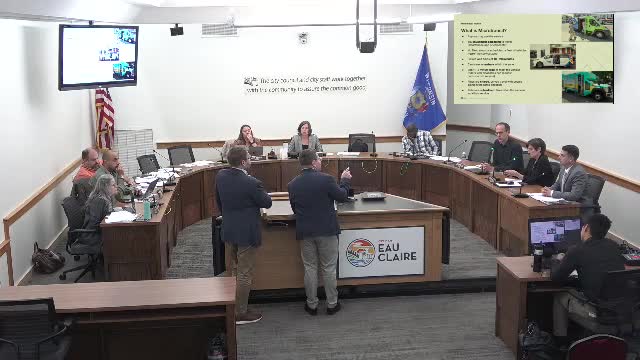
In a recent government meeting, officials discussed the growing integration of electric vehicles (EVs) into public transit systems, highlighting significant emissions reductions achieved since their introduction. The conversation emphasized the importance of quantifying the benefits of electrification, particularly by analyzing how many trips on micro transit replace those typically taken by private cars, taxis, or rideshare services like Uber and Lyft.
Transit agencies face operational challenges when electrifying their fleets, including the installation of charging stations at depots and maintenance facilities, which can incur substantial initial costs. Additionally, the limited availability of wheelchair-accessible electric vehicles compliant with Federal Transit Administration (FTA) Buy America rules poses a significant hurdle. Many of the latest electric models are manufactured overseas, complicating funding eligibility for certain federal grants.
City Manager Hirsch provided context on a parallel initiative called EDIT, aimed at improving public communication regarding transit priorities. This effort coincides with the upcoming opening of a new transfer center and the 50th anniversary of local transit services. Hirsch noted concerning trends from census data indicating an increase in car dependence within the city from 2010 to 2022, with more households owning multiple vehicles. This trend raises questions about the effectiveness of current strategies to reduce carbon footprints and promote alternative mobility solutions.
The meeting underscored the need for ongoing adaptation to evolving transportation technologies, such as route tracking and mobile navigation tools, to better align with goals of reducing reliance on cars. As officials acknowledged the surprising rise in car usage post-COVID, they emphasized the importance of building capacity to leverage new technologies in pursuit of sustainable transportation objectives.
Transit agencies face operational challenges when electrifying their fleets, including the installation of charging stations at depots and maintenance facilities, which can incur substantial initial costs. Additionally, the limited availability of wheelchair-accessible electric vehicles compliant with Federal Transit Administration (FTA) Buy America rules poses a significant hurdle. Many of the latest electric models are manufactured overseas, complicating funding eligibility for certain federal grants.
City Manager Hirsch provided context on a parallel initiative called EDIT, aimed at improving public communication regarding transit priorities. This effort coincides with the upcoming opening of a new transfer center and the 50th anniversary of local transit services. Hirsch noted concerning trends from census data indicating an increase in car dependence within the city from 2010 to 2022, with more households owning multiple vehicles. This trend raises questions about the effectiveness of current strategies to reduce carbon footprints and promote alternative mobility solutions.
The meeting underscored the need for ongoing adaptation to evolving transportation technologies, such as route tracking and mobile navigation tools, to better align with goals of reducing reliance on cars. As officials acknowledged the surprising rise in car usage post-COVID, they emphasized the importance of building capacity to leverage new technologies in pursuit of sustainable transportation objectives.
Don't Miss a Word: See the Full Meeting!
Go beyond summaries. Unlock every video, transcript, and key insight with a Founder Membership.
✓
Get instant access to full meeting videos
✓
Search and clip any phrase from complete transcripts
✓
Receive AI-powered summaries & custom alerts
✓
Enjoy lifetime, unrestricted access to government data
30-day money-back guarantee
