Height Restrictions Spark Debate Over Local Building Codes
September 13, 2024 | Alton Town, Belknap County, New Hampshire
This article was created by AI summarizing key points discussed. AI makes mistakes, so for full details and context, please refer to the video of the full meeting. Please report any errors so we can fix them. Report an error »
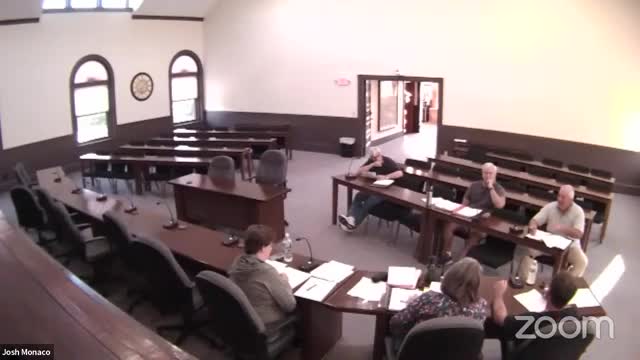
During a recent government meeting, officials discussed potential changes to height restrictions for buildings, particularly in residential areas. Concerns were raised about the uniform maximum height of 35 feet, which some believe leads to oversized structures that obstruct views and disrupt the character of neighborhoods. One participant highlighted the issue of large garages and multi-story homes overshadowing smaller cabins, suggesting that height limits should be tailored to specific areas rather than applying a blanket rule.
The conversation also touched on the implications of height restrictions on property values, particularly regarding \"view tax,\" which is levied on properties with scenic vistas. Participants debated whether taller buildings could diminish the views of neighboring properties, potentially affecting their tax assessments. The need for a more nuanced approach to zoning regulations was emphasized, with suggestions to consider setbacks and height limits based on lot size and existing structures.
In addition to height regulations, the meeting addressed amendments to housing ordinances, specifically separating modular homes from manufactured homes in the town's zoning laws. This change aims to clarify existing regulations, as the current language has caused confusion regarding where different types of homes can be placed. The proposed amendments would create distinct sections for modular and manufactured homes, reflecting their differing standards and requirements.
Officials acknowledged the growing trend of modular homes in the area and the necessity to adapt regulations accordingly. The discussion highlighted the importance of ensuring that zoning laws are clear and reflective of the community's needs, particularly as housing demands evolve. The meeting concluded with a commitment to further research and potential revisions to the proposed amendments, ensuring that they align with the town's vision for development and community character.
The conversation also touched on the implications of height restrictions on property values, particularly regarding \"view tax,\" which is levied on properties with scenic vistas. Participants debated whether taller buildings could diminish the views of neighboring properties, potentially affecting their tax assessments. The need for a more nuanced approach to zoning regulations was emphasized, with suggestions to consider setbacks and height limits based on lot size and existing structures.
In addition to height regulations, the meeting addressed amendments to housing ordinances, specifically separating modular homes from manufactured homes in the town's zoning laws. This change aims to clarify existing regulations, as the current language has caused confusion regarding where different types of homes can be placed. The proposed amendments would create distinct sections for modular and manufactured homes, reflecting their differing standards and requirements.
Officials acknowledged the growing trend of modular homes in the area and the necessity to adapt regulations accordingly. The discussion highlighted the importance of ensuring that zoning laws are clear and reflective of the community's needs, particularly as housing demands evolve. The meeting concluded with a commitment to further research and potential revisions to the proposed amendments, ensuring that they align with the town's vision for development and community character.
View the Full Meeting & All Its Details
This article offers just a summary. Unlock complete video, transcripts, and insights as a Founder Member.
✓
Watch full, unedited meeting videos
✓
Search every word spoken in unlimited transcripts
✓
AI summaries & real-time alerts (all government levels)
✓
Permanent access to expanding government content
30-day money-back guarantee
