Housing Crisis Sparks Urgent Call for Zoning Reform
September 13, 2024 | Narberth, Montgomery County, Pennsylvania
This article was created by AI summarizing key points discussed. AI makes mistakes, so for full details and context, please refer to the video of the full meeting. Please report any errors so we can fix them. Report an error »
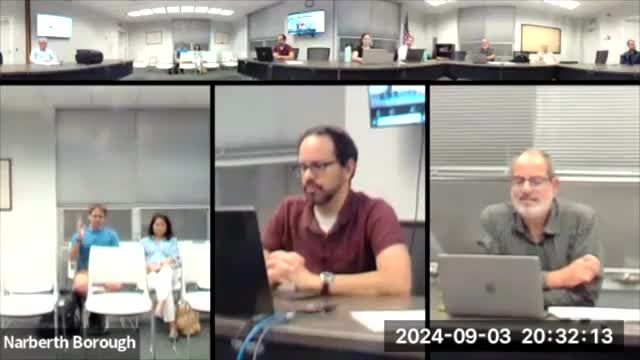
In a recent government meeting, officials engaged in a detailed discussion about housing policies and development standards, emphasizing the need for a comprehensive approach to address nonconformities in existing housing typologies. The conversation highlighted the challenges posed by current zoning codes, which many believe are driving developers toward larger, luxury single-family homes rather than more diverse, mid-scale housing options.
Council members acknowledged the significant impact of land costs on housing development, noting that the minimum lot size for single-family homes in certain districts can lead to breakeven costs exceeding $1 million for a single unit. This economic pressure often discourages developers from pursuing smaller, more affordable housing projects, perpetuating a cycle of high-end developments that may not align with community needs.
The discussion also touched on the historical context of zoning regulations, with officials recognizing that past decisions have contributed to the current landscape of housing options. There was a consensus that revising these codes could help break the feedback loop that favors large luxury homes, thereby promoting a more diverse housing market.
Participants expressed the importance of balancing new construction with the preservation of existing structures, particularly in historic districts. They emphasized the need for a strategic approach to zoning that accommodates both the growth of new housing types and the protection of the community's character.
Looking ahead, council members proposed exploring specific sites to study potential developments and assess how existing codes could be adjusted to support a wider range of housing options. The overarching goal remains clear: to enhance housing diversity and affordability while navigating the complexities of local development dynamics.
Council members acknowledged the significant impact of land costs on housing development, noting that the minimum lot size for single-family homes in certain districts can lead to breakeven costs exceeding $1 million for a single unit. This economic pressure often discourages developers from pursuing smaller, more affordable housing projects, perpetuating a cycle of high-end developments that may not align with community needs.
The discussion also touched on the historical context of zoning regulations, with officials recognizing that past decisions have contributed to the current landscape of housing options. There was a consensus that revising these codes could help break the feedback loop that favors large luxury homes, thereby promoting a more diverse housing market.
Participants expressed the importance of balancing new construction with the preservation of existing structures, particularly in historic districts. They emphasized the need for a strategic approach to zoning that accommodates both the growth of new housing types and the protection of the community's character.
Looking ahead, council members proposed exploring specific sites to study potential developments and assess how existing codes could be adjusted to support a wider range of housing options. The overarching goal remains clear: to enhance housing diversity and affordability while navigating the complexities of local development dynamics.
View the Full Meeting & All Its Details
This article offers just a summary. Unlock complete video, transcripts, and insights as a Founder Member.
✓
Watch full, unedited meeting videos
✓
Search every word spoken in unlimited transcripts
✓
AI summaries & real-time alerts (all government levels)
✓
Permanent access to expanding government content
30-day money-back guarantee
