Transportation plan aims to transform Salt Lake City streets
October 04, 2024 | Salt Lake City Planning Commission Meeting, Salt Lake City, Salt Lake County, Utah
This article was created by AI summarizing key points discussed. AI makes mistakes, so for full details and context, please refer to the video of the full meeting. Please report any errors so we can fix them. Report an error »
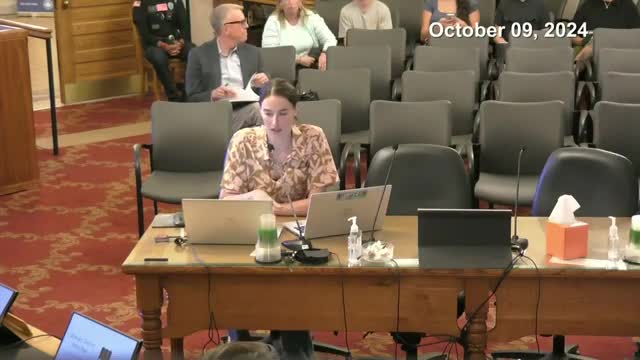
In a recent government meeting, officials discussed the development of a comprehensive multimodal circulation plan aimed at enhancing transportation connectivity and safety in the area. Funded by a grant from the Wasatch Front Regional Council, the plan outlines short- and mid-term projects that can be implemented within a 2 to 10-year timeframe.
The plan aligns with several existing city initiatives, including the recently adopted citywide transportation plan, which emphasizes creating safer streets, improving pedestrian safety, and expanding low-stress bicycling networks. It also seeks to promote walkable districts and utilize street typologies to guide the development of complete streets.
Public engagement played a crucial role in shaping the plan, with significant input gathered from local residents, business owners, and developers. Events such as HudaFest in October 2023 allowed over 200 participants to provide feedback, resulting in more than 150 comments. Additionally, a community event in December attracted 36 businesses and developers, further enriching the planning process.
The plan identifies various barriers to implementation, including existing parking arrangements, non-motorized facility placements, and utility infrastructure. Despite these challenges, the team highlighted potential intersection improvements and network gaps, particularly in areas experiencing new development.
Specific corridors, such as 4th West, 6th West, and 8th South, were identified as priority areas for enhancements. A prioritization matrix was created to evaluate projects based on factors like cost, user comfort, and maintenance impacts, distinguishing between near-term and mid-term initiatives.
Moving forward, the transportation division aims to leverage these recommendations to secure funding and align with ongoing development projects, including the Green Loop and Check Link initiatives. The collaborative effort underscores a commitment to creating a more connected and accessible urban environment for all road users.
The plan aligns with several existing city initiatives, including the recently adopted citywide transportation plan, which emphasizes creating safer streets, improving pedestrian safety, and expanding low-stress bicycling networks. It also seeks to promote walkable districts and utilize street typologies to guide the development of complete streets.
Public engagement played a crucial role in shaping the plan, with significant input gathered from local residents, business owners, and developers. Events such as HudaFest in October 2023 allowed over 200 participants to provide feedback, resulting in more than 150 comments. Additionally, a community event in December attracted 36 businesses and developers, further enriching the planning process.
The plan identifies various barriers to implementation, including existing parking arrangements, non-motorized facility placements, and utility infrastructure. Despite these challenges, the team highlighted potential intersection improvements and network gaps, particularly in areas experiencing new development.
Specific corridors, such as 4th West, 6th West, and 8th South, were identified as priority areas for enhancements. A prioritization matrix was created to evaluate projects based on factors like cost, user comfort, and maintenance impacts, distinguishing between near-term and mid-term initiatives.
Moving forward, the transportation division aims to leverage these recommendations to secure funding and align with ongoing development projects, including the Green Loop and Check Link initiatives. The collaborative effort underscores a commitment to creating a more connected and accessible urban environment for all road users.
View the Full Meeting & All Its Details
This article offers just a summary. Unlock complete video, transcripts, and insights as a Founder Member.
✓
Watch full, unedited meeting videos
✓
Search every word spoken in unlimited transcripts
✓
AI summaries & real-time alerts (all government levels)
✓
Permanent access to expanding government content
30-day money-back guarantee
