Debate ignites over future of Lansing's government structure
September 24, 2024 | Lansing City, Ingham County, Michigan
This article was created by AI summarizing key points discussed. AI makes mistakes, so for full details and context, please refer to the video of the full meeting. Please report any errors so we can fix them. Report an error »
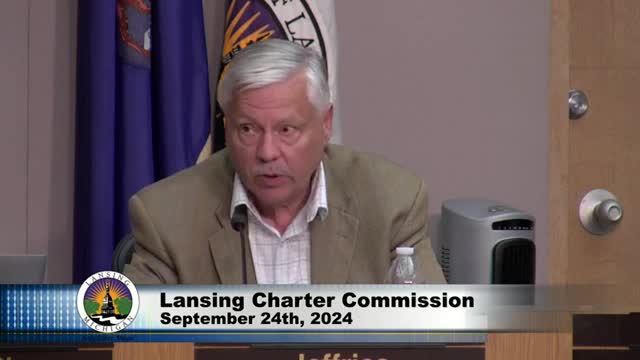
In a recent government meeting, officials engaged in a robust discussion regarding the future structure of the city's governance, particularly focusing on whether to maintain the current strong mayor system or transition to a city manager model. The meeting served as an initial platform for dialogue, with no decisions made, but it set the stage for future discussions involving key figures, including former mayors and council members.
Commissioner Lopez opened the conversation by emphasizing the importance of determining the form of government before addressing other charter-related issues. Several commissioners expressed their preference for retaining the strong mayor system, citing accountability and direct voter influence as critical factors. Commissioner Washington articulated a strong stance in favor of the strong mayor model, arguing that it provides necessary checks and balances and allows for direct accountability to the electorate.
Commissioner Boyd echoed this sentiment, highlighting that the effectiveness of governance ultimately hinges on the individuals in leadership roles rather than the structure itself. The notion of accountability was a recurring theme, with multiple commissioners asserting that a city manager could dilute this accountability by removing direct electoral oversight.
The discussion also touched on potential reforms within the governance structure, including the possibility of establishing term limits for elected officials. Commissioner Washington raised this point, suggesting that long tenures could lead to entitlement and a lack of fresh perspectives. However, Commissioner Boyd firmly opposed term limits, advocating for the electorate's right to decide on their representatives without restrictions.
As the meeting concluded, the commissioners agreed to continue exploring these topics, with plans to invite additional speakers to provide insights on the implications of different governance models. The ongoing dialogue reflects a community grappling with the balance of power and accountability in its leadership, setting the stage for significant decisions that could shape the city's future governance.
Commissioner Lopez opened the conversation by emphasizing the importance of determining the form of government before addressing other charter-related issues. Several commissioners expressed their preference for retaining the strong mayor system, citing accountability and direct voter influence as critical factors. Commissioner Washington articulated a strong stance in favor of the strong mayor model, arguing that it provides necessary checks and balances and allows for direct accountability to the electorate.
Commissioner Boyd echoed this sentiment, highlighting that the effectiveness of governance ultimately hinges on the individuals in leadership roles rather than the structure itself. The notion of accountability was a recurring theme, with multiple commissioners asserting that a city manager could dilute this accountability by removing direct electoral oversight.
The discussion also touched on potential reforms within the governance structure, including the possibility of establishing term limits for elected officials. Commissioner Washington raised this point, suggesting that long tenures could lead to entitlement and a lack of fresh perspectives. However, Commissioner Boyd firmly opposed term limits, advocating for the electorate's right to decide on their representatives without restrictions.
As the meeting concluded, the commissioners agreed to continue exploring these topics, with plans to invite additional speakers to provide insights on the implications of different governance models. The ongoing dialogue reflects a community grappling with the balance of power and accountability in its leadership, setting the stage for significant decisions that could shape the city's future governance.
View the Full Meeting & All Its Details
This article offers just a summary. Unlock complete video, transcripts, and insights as a Founder Member.
✓
Watch full, unedited meeting videos
✓
Search every word spoken in unlimited transcripts
✓
AI summaries & real-time alerts (all government levels)
✓
Permanent access to expanding government content
30-day money-back guarantee
