Pennsylvania lawmakers clash over worker protection legislation
October 01, 2024 | Labor & Industry, House of Representatives, Legislative, Pennsylvania
This article was created by AI summarizing key points discussed. AI makes mistakes, so for full details and context, please refer to the video of the full meeting. Please report any errors so we can fix them. Report an error »
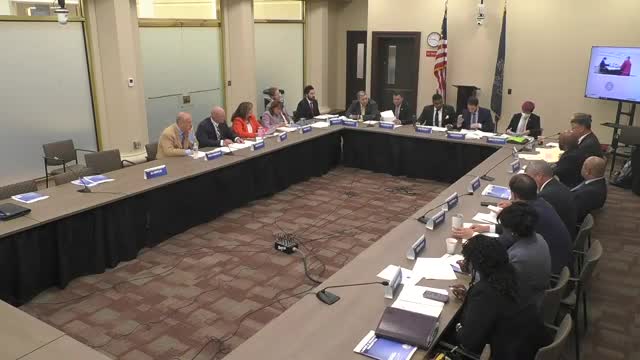
In a recent government meeting, lawmakers engaged in a heated discussion regarding proposed legislation aimed at improving worker protections in Pennsylvania. Central to the debate was the introduction of a grant program for small businesses, which some representatives argued was an acknowledgment of the challenges these businesses face in complying with new mandates.
One representative expressed concern that the legislation could impose undue burdens on small employers, suggesting that the state should not dictate how businesses operate. This sentiment was echoed by others who criticized the perceived overreach of government in business affairs, advocating instead for nonprofits to take a more active role in supporting small businesses.
The conversation also touched on the complexities of wage calculations for tipped workers, with questions raised about how the legislation would affect their pay structure. A representative clarified that the bill references the federal Fair Labor Standards Act, indicating that the calculation of wages would need to account for the variability in tips.
Supporters of the legislation argued that it is the state's responsibility to protect workers' rights and ensure access to paid leave, especially in light of public health concerns highlighted by the COVID-19 pandemic. They emphasized the importance of providing workers with dignity and the ability to take time off without fear of losing their jobs.
However, opposition members criticized the lack of bipartisan collaboration in the legislative process, claiming that the current approach has led to a failure to adequately address the needs of Pennsylvania workers. They expressed frustration over what they described as a partisan agenda that neglects input from a diverse range of stakeholders.
The meeting underscored the ongoing tension between differing political ideologies regarding the role of government in business and labor relations, with advocates for worker protections facing significant pushback from those who prioritize business autonomy. As the debate continues, the future of the proposed legislation remains uncertain, reflecting broader national conversations about labor rights and economic policy.
One representative expressed concern that the legislation could impose undue burdens on small employers, suggesting that the state should not dictate how businesses operate. This sentiment was echoed by others who criticized the perceived overreach of government in business affairs, advocating instead for nonprofits to take a more active role in supporting small businesses.
The conversation also touched on the complexities of wage calculations for tipped workers, with questions raised about how the legislation would affect their pay structure. A representative clarified that the bill references the federal Fair Labor Standards Act, indicating that the calculation of wages would need to account for the variability in tips.
Supporters of the legislation argued that it is the state's responsibility to protect workers' rights and ensure access to paid leave, especially in light of public health concerns highlighted by the COVID-19 pandemic. They emphasized the importance of providing workers with dignity and the ability to take time off without fear of losing their jobs.
However, opposition members criticized the lack of bipartisan collaboration in the legislative process, claiming that the current approach has led to a failure to adequately address the needs of Pennsylvania workers. They expressed frustration over what they described as a partisan agenda that neglects input from a diverse range of stakeholders.
The meeting underscored the ongoing tension between differing political ideologies regarding the role of government in business and labor relations, with advocates for worker protections facing significant pushback from those who prioritize business autonomy. As the debate continues, the future of the proposed legislation remains uncertain, reflecting broader national conversations about labor rights and economic policy.
Don't Miss a Word: See the Full Meeting!
Go beyond summaries. Unlock every video, transcript, and key insight with a Founder Membership.
✓
Get instant access to full meeting videos
✓
Search and clip any phrase from complete transcripts
✓
Receive AI-powered summaries & custom alerts
✓
Enjoy lifetime, unrestricted access to government data
30-day money-back guarantee
