City of Grand Rapids launches ambitious waste management overhaul
September 24, 2024 | Grand Rapids City, Kent County, Michigan
This article was created by AI summarizing key points discussed. AI makes mistakes, so for full details and context, please refer to the video of the full meeting. Please report any errors so we can fix them. Report an error »
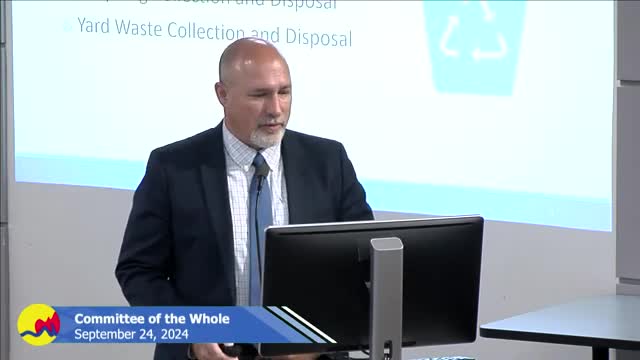
During a recent government meeting, officials from Grand Rapids outlined the city's comprehensive materials management strategy, which encompasses refuse collection, recycling, yard waste management, and composting. The city serves over 52,000 residential customers, with approximately 80% of the market share, utilizing a \"pay as you throw\" system that allows residents to customize their trash services based on individual needs.
Key enhancements to the city's waste management services were discussed, including the establishment of a fully staffed corridor cleaning crew aimed at improving community cleanliness. Additionally, the city has expanded neighborhood cleanup initiatives, incorporating recycling and textile collection in partnership with local organizations.
The meeting highlighted the financial aspects of waste management, including a recent 10% increase in cart fees, driven by rising operational costs and anticipated increases in disposal fees. The current tipping fee at the county's waste-to-energy facility is $75.68 per ton, with projections indicating a potential 25% increase in the coming years. This financial strain has prompted discussions about the city's waste management model, including the possibility of becoming the exclusive hauler for residential properties, which could expand the customer base and improve financial sustainability.
The city's recycling program, funded through a millage, faces challenges related to contamination, prompting efforts to educate residents on proper recycling practices. The meeting also addressed the need for a readiness-to-serve charge to cover fixed operational costs, which could lead to a decrease in per-tip fees for residents.
Looking ahead, officials emphasized the importance of aligning rates with the true cost of service and maintaining financial health through regular updates to the revenue sufficiency analysis. The discussions set the stage for future strategies aimed at enhancing waste management services while ensuring fiscal responsibility.
Key enhancements to the city's waste management services were discussed, including the establishment of a fully staffed corridor cleaning crew aimed at improving community cleanliness. Additionally, the city has expanded neighborhood cleanup initiatives, incorporating recycling and textile collection in partnership with local organizations.
The meeting highlighted the financial aspects of waste management, including a recent 10% increase in cart fees, driven by rising operational costs and anticipated increases in disposal fees. The current tipping fee at the county's waste-to-energy facility is $75.68 per ton, with projections indicating a potential 25% increase in the coming years. This financial strain has prompted discussions about the city's waste management model, including the possibility of becoming the exclusive hauler for residential properties, which could expand the customer base and improve financial sustainability.
The city's recycling program, funded through a millage, faces challenges related to contamination, prompting efforts to educate residents on proper recycling practices. The meeting also addressed the need for a readiness-to-serve charge to cover fixed operational costs, which could lead to a decrease in per-tip fees for residents.
Looking ahead, officials emphasized the importance of aligning rates with the true cost of service and maintaining financial health through regular updates to the revenue sufficiency analysis. The discussions set the stage for future strategies aimed at enhancing waste management services while ensuring fiscal responsibility.
View the Full Meeting & All Its Details
This article offers just a summary. Unlock complete video, transcripts, and insights as a Founder Member.
✓
Watch full, unedited meeting videos
✓
Search every word spoken in unlimited transcripts
✓
AI summaries & real-time alerts (all government levels)
✓
Permanent access to expanding government content
30-day money-back guarantee
