Grand Rapids tackles housing discrimination amid rising demand
September 24, 2024 | Grand Rapids City, Kent County, Michigan
This article was created by AI summarizing key points discussed. AI makes mistakes, so for full details and context, please refer to the video of the full meeting. Please report any errors so we can fix them. Report an error »
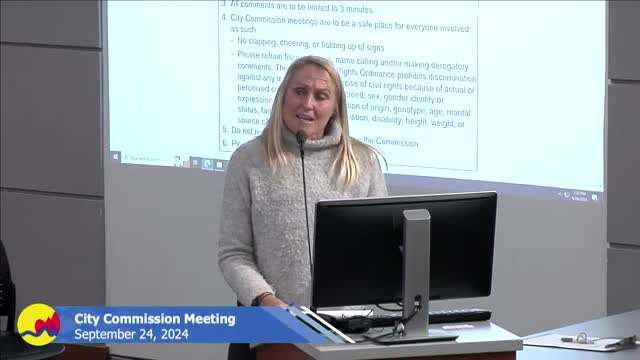
During a recent government meeting, discussions centered on significant developments in fair housing initiatives and urban redevelopment projects in Grand Rapids.
A representative from the Fair Housing Center highlighted a substantial increase in demand for their services, reporting a surge in housing discrimination cases since the onset of the COVID-19 pandemic. The center, which serves 38 counties, has seen calls double from approximately 1,000 to 2,000 annually, with cases from Grand Rapids rising from 40 to 80. The speaker emphasized the need for increased funding, requesting $90,000 for the upcoming budget to maintain their operations and address the complexities of modern housing discrimination, including lending and appraisal issues.
In addition to fair housing concerns, the meeting also addressed several urban development projects. The Economic Development Director presented plans for a mixed-use building at 648 Bridge Street Northwest, which will feature 148 apartments and integrated parking. The project, with a total capital cost of $30 million, aims to provide affordable housing options and is expected to begin construction this winter.
Another project discussed involved the redevelopment of 385 Leonard Street Northeast, which will also be a mixed-use building with 181 residential units and retail space. This initiative is part of a broader effort to enhance the area's housing stock and stimulate economic growth, with a total investment of $39 million anticipated.
Lastly, a redevelopment project at 1516 Cesar Chavez Avenue Southwest was introduced, which will add two stories to an existing building, creating 17 new units. This project is notable for its commitment to sustainability and community engagement, with nearly 50% of the project budget allocated to subcontractor goals.
The meeting concluded with public comments, including a passionate address from local entrepreneur Dee Jones, who shared his recent recognition as a finalist for Forbes 30 Under 30 in gaming. He expressed his commitment to community development and infrastructure improvement, emphasizing the importance of supporting local youth and innovation.
Overall, the meeting underscored the city's ongoing efforts to address housing discrimination and promote urban development, reflecting a commitment to enhancing the quality of life for residents in Grand Rapids.
A representative from the Fair Housing Center highlighted a substantial increase in demand for their services, reporting a surge in housing discrimination cases since the onset of the COVID-19 pandemic. The center, which serves 38 counties, has seen calls double from approximately 1,000 to 2,000 annually, with cases from Grand Rapids rising from 40 to 80. The speaker emphasized the need for increased funding, requesting $90,000 for the upcoming budget to maintain their operations and address the complexities of modern housing discrimination, including lending and appraisal issues.
In addition to fair housing concerns, the meeting also addressed several urban development projects. The Economic Development Director presented plans for a mixed-use building at 648 Bridge Street Northwest, which will feature 148 apartments and integrated parking. The project, with a total capital cost of $30 million, aims to provide affordable housing options and is expected to begin construction this winter.
Another project discussed involved the redevelopment of 385 Leonard Street Northeast, which will also be a mixed-use building with 181 residential units and retail space. This initiative is part of a broader effort to enhance the area's housing stock and stimulate economic growth, with a total investment of $39 million anticipated.
Lastly, a redevelopment project at 1516 Cesar Chavez Avenue Southwest was introduced, which will add two stories to an existing building, creating 17 new units. This project is notable for its commitment to sustainability and community engagement, with nearly 50% of the project budget allocated to subcontractor goals.
The meeting concluded with public comments, including a passionate address from local entrepreneur Dee Jones, who shared his recent recognition as a finalist for Forbes 30 Under 30 in gaming. He expressed his commitment to community development and infrastructure improvement, emphasizing the importance of supporting local youth and innovation.
Overall, the meeting underscored the city's ongoing efforts to address housing discrimination and promote urban development, reflecting a commitment to enhancing the quality of life for residents in Grand Rapids.
Don't Miss a Word: See the Full Meeting!
Go beyond summaries. Unlock every video, transcript, and key insight with a Founder Membership.
✓
Get instant access to full meeting videos
✓
Search and clip any phrase from complete transcripts
✓
Receive AI-powered summaries & custom alerts
✓
Enjoy lifetime, unrestricted access to government data
30-day money-back guarantee
