Electric vehicle costs threaten middle class affordability
September 19, 2024 | Budget: House Committee, Standing Committees - House & Senate, Congressional Hearings Compilation, Legislative, Federal
This article was created by AI summarizing key points discussed. AI makes mistakes, so for full details and context, please refer to the video of the full meeting. Please report any errors so we can fix them. Report an error »
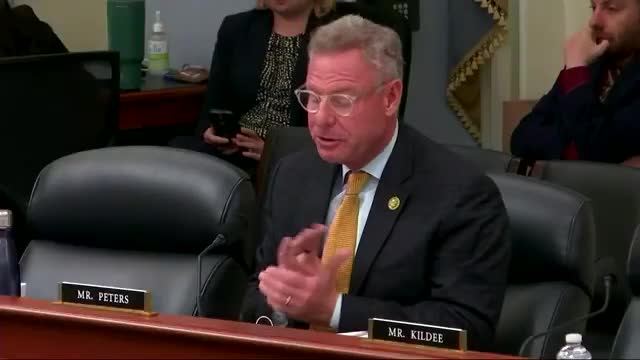
During a recent government meeting, lawmakers engaged in a heated discussion regarding the rising costs of energy and electric vehicles (EVs), emphasizing the financial strain on middle-class households. The conversation highlighted concerns over energy costs, insurance premiums, and the affordability of EVs, particularly for minority communities.
One key point raised was the impact of the Inflation Reduction Act (IRA) and the Infrastructure Investment and Jobs Act (IJ) on household expenses. Witnesses expressed skepticism about whether these investments would effectively lower insurance premiums, with some arguing that addressing climate change could help stabilize costs. However, others pointed out that the push for electric vehicles could inadvertently squeeze the middle class, as the initial purchase price of EVs remains significantly higher than traditional gasoline-powered cars.
Lawmakers noted that the average cost of an electric vehicle could be $20,000 to $25,000 more than a conventional vehicle, exacerbating financial burdens for families already struggling with rising living costs. Concerns were also raised about the hidden costs associated with EVs, including lower trade-in values and higher insurance premiums due to the expensive battery replacements and repair costs.
The discussion further delved into the broader implications of green policies on food prices, with witnesses linking increased fertilizer costs to energy prices. They argued that restrictions on fossil fuels could lead to higher food prices, impacting food security for low-income families.
Witnesses also highlighted the concept of energy poverty, where households spend a disproportionate amount of their income on energy needs. This issue disproportionately affects minority communities, which often face higher barriers to accessing affordable energy solutions.
Overall, the meeting underscored a growing concern among lawmakers about the economic implications of current energy policies, particularly for middle-class and minority families, as they navigate the challenges posed by rising costs and government mandates.
One key point raised was the impact of the Inflation Reduction Act (IRA) and the Infrastructure Investment and Jobs Act (IJ) on household expenses. Witnesses expressed skepticism about whether these investments would effectively lower insurance premiums, with some arguing that addressing climate change could help stabilize costs. However, others pointed out that the push for electric vehicles could inadvertently squeeze the middle class, as the initial purchase price of EVs remains significantly higher than traditional gasoline-powered cars.
Lawmakers noted that the average cost of an electric vehicle could be $20,000 to $25,000 more than a conventional vehicle, exacerbating financial burdens for families already struggling with rising living costs. Concerns were also raised about the hidden costs associated with EVs, including lower trade-in values and higher insurance premiums due to the expensive battery replacements and repair costs.
The discussion further delved into the broader implications of green policies on food prices, with witnesses linking increased fertilizer costs to energy prices. They argued that restrictions on fossil fuels could lead to higher food prices, impacting food security for low-income families.
Witnesses also highlighted the concept of energy poverty, where households spend a disproportionate amount of their income on energy needs. This issue disproportionately affects minority communities, which often face higher barriers to accessing affordable energy solutions.
Overall, the meeting underscored a growing concern among lawmakers about the economic implications of current energy policies, particularly for middle-class and minority families, as they navigate the challenges posed by rising costs and government mandates.
View the Full Meeting & All Its Details
This article offers just a summary. Unlock complete video, transcripts, and insights as a Founder Member.
✓
Watch full, unedited meeting videos
✓
Search every word spoken in unlimited transcripts
✓
AI summaries & real-time alerts (all government levels)
✓
Permanent access to expanding government content
30-day money-back guarantee
