State launches massive investment to preserve aging infrastructure
September 17, 2024 | Transportation, Senate, Legislative Sessions, Washington
This article was created by AI summarizing key points discussed. AI makes mistakes, so for full details and context, please refer to the video of the full meeting. Please report any errors so we can fix them. Report an error »
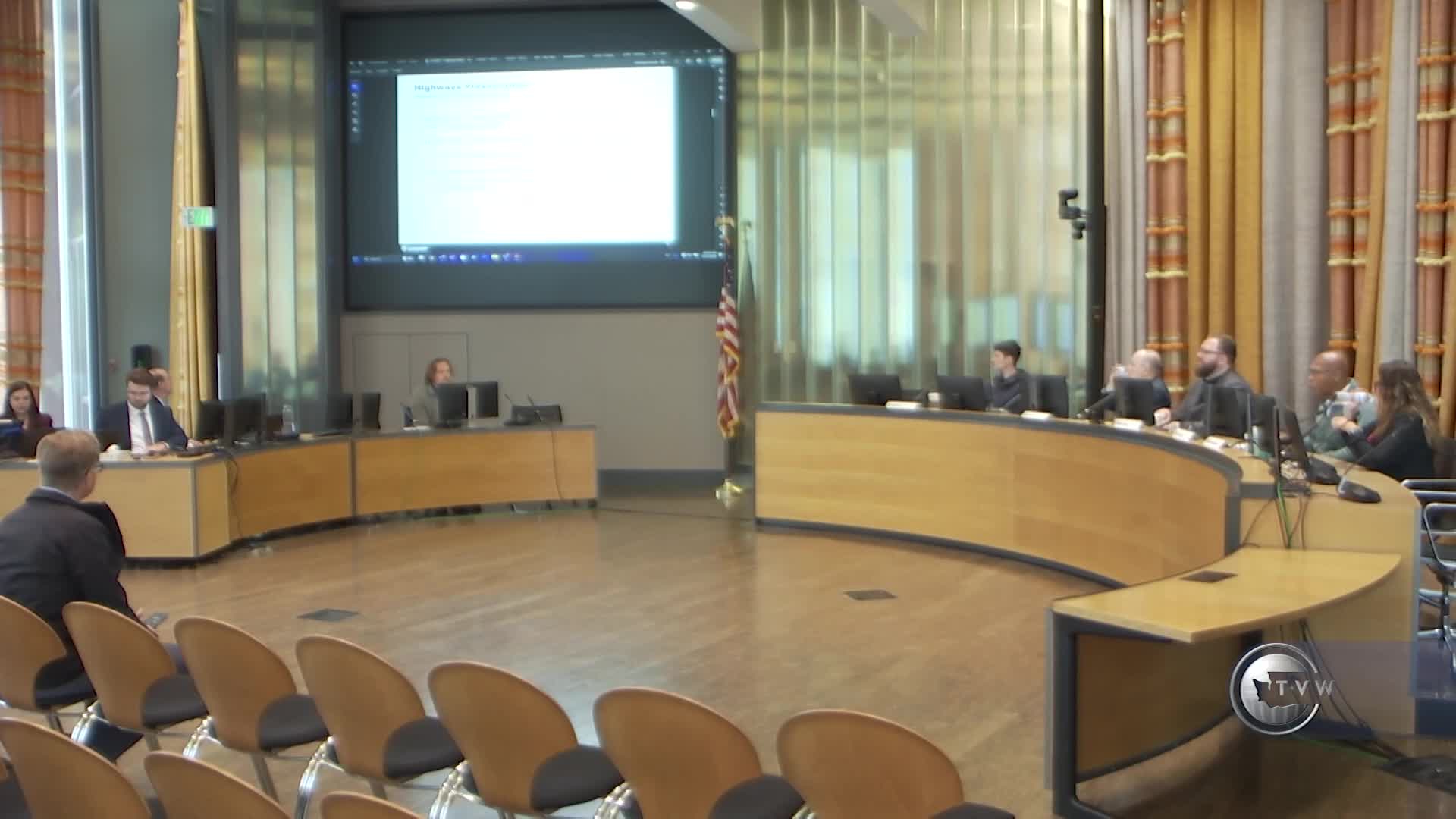
In a recent government meeting, officials discussed the ongoing efforts and challenges in managing the state's transportation assets, particularly focusing on pavement and bridge preservation programs. The meeting highlighted the importance of adhering to federal legislation that mandates states to submit asset management plans, which have been recognized nationally as best practices.
The state's preservation initiatives are categorized into three main programs: P1 for roadway preservation, P2 for bridge preservation, and P3 for other highway assets. The P1 program emphasizes cost-effective resurfacing techniques, such as asphalt and chip seal, to extend the lifespan of roads. The P2 program addresses the maintenance of over 3,400 bridge structures, detailing activities like deck resurfacing and joint maintenance to ensure structural integrity.
Officials presented specific examples of bridge maintenance needs, including the Carbon River Bridge, which has been restricted to an 8-ton weight limit due to its age and condition. The meeting underscored the urgency of addressing these issues, as delays could lead to more costly repairs or replacements.
The discussion also touched on the financial constraints facing the preservation programs, with a reported shortfall of $980 million needed to meet the lowest life cycle cost activities across all assets. To address this, a budget proposal was submitted for a $3 billion investment over the next decade, aimed at ramping up critical preservation efforts.
As the state grapples with increasing emergent events and the associated costs, officials emphasized the need for proactive management and timely investments to maintain the safety and functionality of the transportation infrastructure. The meeting concluded with a commitment to prioritize these preservation efforts while navigating the financial challenges ahead.
The state's preservation initiatives are categorized into three main programs: P1 for roadway preservation, P2 for bridge preservation, and P3 for other highway assets. The P1 program emphasizes cost-effective resurfacing techniques, such as asphalt and chip seal, to extend the lifespan of roads. The P2 program addresses the maintenance of over 3,400 bridge structures, detailing activities like deck resurfacing and joint maintenance to ensure structural integrity.
Officials presented specific examples of bridge maintenance needs, including the Carbon River Bridge, which has been restricted to an 8-ton weight limit due to its age and condition. The meeting underscored the urgency of addressing these issues, as delays could lead to more costly repairs or replacements.
The discussion also touched on the financial constraints facing the preservation programs, with a reported shortfall of $980 million needed to meet the lowest life cycle cost activities across all assets. To address this, a budget proposal was submitted for a $3 billion investment over the next decade, aimed at ramping up critical preservation efforts.
As the state grapples with increasing emergent events and the associated costs, officials emphasized the need for proactive management and timely investments to maintain the safety and functionality of the transportation infrastructure. The meeting concluded with a commitment to prioritize these preservation efforts while navigating the financial challenges ahead.
View the Full Meeting & All Its Details
This article offers just a summary. Unlock complete video, transcripts, and insights as a Founder Member.
✓
Watch full, unedited meeting videos
✓
Search every word spoken in unlimited transcripts
✓
AI summaries & real-time alerts (all government levels)
✓
Permanent access to expanding government content
30-day money-back guarantee
