Lawmakers push for tougher measures against Iran's nuclear threat
September 19, 2024 | Foreign Affairs: House Committee, Standing Committees - House & Senate, Congressional Hearings Compilation, Legislative, Federal
This article was created by AI summarizing key points discussed. AI makes mistakes, so for full details and context, please refer to the video of the full meeting. Please report any errors so we can fix them. Report an error »
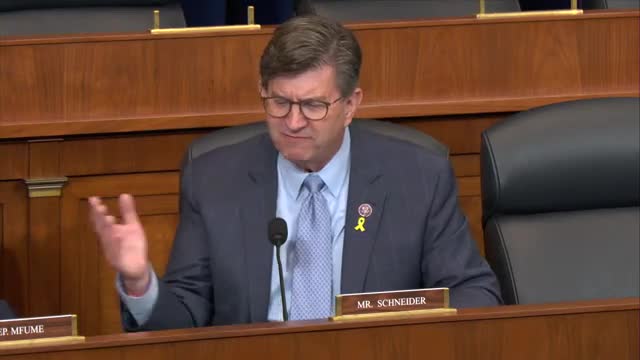
In a recent government meeting, members of the Abraham Accords Caucus engaged in a critical discussion regarding U.S. policy towards Iran, particularly in light of its nuclear ambitions and support for terrorism. The meeting featured insights from various experts, including former officials, who emphasized the need for a more effective approach to deter Iran from pursuing nuclear weapons.
Key points raised included the importance of military readiness and the enforcement of sanctions. One panelist suggested that a visible military presence in the region could signal to Iran that the U.S. is serious about preventing its nuclear development. The discussion highlighted that sanctions must be actively enforced to be effective, as Iran has become increasingly adept at evading them.
The panelists also pointed to the illicit oil trade with China as a significant source of revenue for Iran, which funds its terrorist proxies such as Hamas and Hezbollah. They argued that cutting off this revenue stream is crucial for undermining Iran's capabilities. One congressman noted that under the current administration, the illicit oil trade has surged, raising concerns about the implications for U.S. national security.
While some members defended the Biden administration's actions, arguing that it has taken steps to close loopholes in financial systems that benefit Iran, others criticized the administration for lifting certain sanctions that had previously curtailed Iran's oil exports. The debate underscored a bipartisan consensus on the need for a robust strategy to counter Iran's influence, though opinions diverged on the effectiveness of current policies.
As the meeting concluded, participants acknowledged the ongoing challenges posed by Iran's actions in the Middle East and the necessity for a unified and strategic response to ensure regional stability and security.
Key points raised included the importance of military readiness and the enforcement of sanctions. One panelist suggested that a visible military presence in the region could signal to Iran that the U.S. is serious about preventing its nuclear development. The discussion highlighted that sanctions must be actively enforced to be effective, as Iran has become increasingly adept at evading them.
The panelists also pointed to the illicit oil trade with China as a significant source of revenue for Iran, which funds its terrorist proxies such as Hamas and Hezbollah. They argued that cutting off this revenue stream is crucial for undermining Iran's capabilities. One congressman noted that under the current administration, the illicit oil trade has surged, raising concerns about the implications for U.S. national security.
While some members defended the Biden administration's actions, arguing that it has taken steps to close loopholes in financial systems that benefit Iran, others criticized the administration for lifting certain sanctions that had previously curtailed Iran's oil exports. The debate underscored a bipartisan consensus on the need for a robust strategy to counter Iran's influence, though opinions diverged on the effectiveness of current policies.
As the meeting concluded, participants acknowledged the ongoing challenges posed by Iran's actions in the Middle East and the necessity for a unified and strategic response to ensure regional stability and security.
Don't Miss a Word: See the Full Meeting!
Go beyond summaries. Unlock every video, transcript, and key insight with a Founder Membership.
✓
Get instant access to full meeting videos
✓
Search and clip any phrase from complete transcripts
✓
Receive AI-powered summaries & custom alerts
✓
Enjoy lifetime, unrestricted access to government data
30-day money-back guarantee
