Pollution crisis threatens oceans and human health
September 30, 2024 | St. Mary's County, Maryland
This article was created by AI summarizing key points discussed. AI makes mistakes, so for full details and context, please refer to the video of the full meeting. Please report any errors so we can fix them. Report an error »
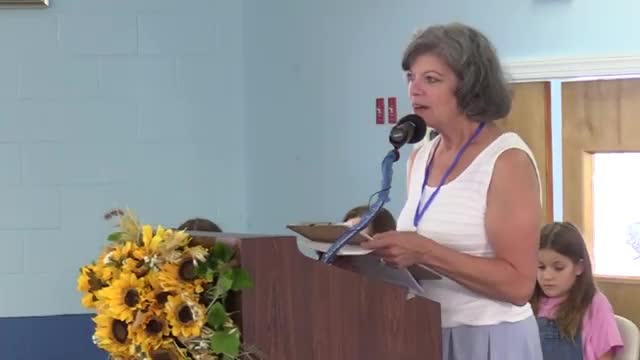
In a recent government meeting, speakers highlighted the urgent issue of pollution, particularly focusing on the alarming state of the oceans and the impact of agricultural runoff on water quality.
One speaker drew attention to the Great Pacific Garbage Patch, a massive accumulation of plastic waste in the ocean, estimated to be twice the size of Texas, covering approximately 1.6 million square kilometers. This patch contains over 1.8 trillion pieces of trash, primarily plastic, much of which dates back to the 1960s. The speaker emphasized the dangers posed by this pollution, noting that marine life is suffering as fish ingest microplastics, which ultimately enter the human food chain. The speaker urged the audience to consider their own contributions to pollution, such as littering, and called for collective action to reduce waste and protect marine ecosystems.
Following this, another speaker addressed the issue of agricultural runoff, particularly in the Patuxent River, where excessive nitrogen and phosphorus from farms and construction sites have created oxygen-deprived dead zones. This pollution not only threatens aquatic life but also poses serious health risks to humans, with over a million deaths annually attributed to unsafe drinking water. The speaker highlighted the economic implications, noting that the Chesapeake Bay, a vital source of seafood and biodiversity, is at risk due to nutrient pollution leading to harmful algae blooms.
Despite existing anti-pollution laws, the speaker criticized the lack of effective regulation and enforcement, citing the Environmental Protection Agency's (EPA) rollback of regulations on toxic pollutants. They called for stronger measures to prevent fertilizer runoff, such as erosion prevention and responsible fertilization practices, to improve water quality and protect both the environment and public health.
The discussions underscored the critical need for immediate action to combat pollution and safeguard natural resources, emphasizing that the health of our ecosystems and communities is at stake.
One speaker drew attention to the Great Pacific Garbage Patch, a massive accumulation of plastic waste in the ocean, estimated to be twice the size of Texas, covering approximately 1.6 million square kilometers. This patch contains over 1.8 trillion pieces of trash, primarily plastic, much of which dates back to the 1960s. The speaker emphasized the dangers posed by this pollution, noting that marine life is suffering as fish ingest microplastics, which ultimately enter the human food chain. The speaker urged the audience to consider their own contributions to pollution, such as littering, and called for collective action to reduce waste and protect marine ecosystems.
Following this, another speaker addressed the issue of agricultural runoff, particularly in the Patuxent River, where excessive nitrogen and phosphorus from farms and construction sites have created oxygen-deprived dead zones. This pollution not only threatens aquatic life but also poses serious health risks to humans, with over a million deaths annually attributed to unsafe drinking water. The speaker highlighted the economic implications, noting that the Chesapeake Bay, a vital source of seafood and biodiversity, is at risk due to nutrient pollution leading to harmful algae blooms.
Despite existing anti-pollution laws, the speaker criticized the lack of effective regulation and enforcement, citing the Environmental Protection Agency's (EPA) rollback of regulations on toxic pollutants. They called for stronger measures to prevent fertilizer runoff, such as erosion prevention and responsible fertilization practices, to improve water quality and protect both the environment and public health.
The discussions underscored the critical need for immediate action to combat pollution and safeguard natural resources, emphasizing that the health of our ecosystems and communities is at stake.
Don't Miss a Word: See the Full Meeting!
Go beyond summaries. Unlock every video, transcript, and key insight with a Founder Membership.
✓
Get instant access to full meeting videos
✓
Search and clip any phrase from complete transcripts
✓
Receive AI-powered summaries & custom alerts
✓
Enjoy lifetime, unrestricted access to government data
30-day money-back guarantee
