Voters urged to renew crucial special education funding
September 24, 2024 | Saline Area Schools, School Boards, Michigan
This article was created by AI summarizing key points discussed. AI makes mistakes, so for full details and context, please refer to the video of the full meeting. Please report any errors so we can fix them. Report an error »
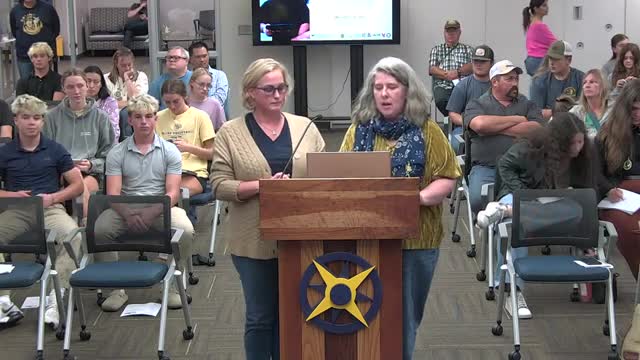
During a recent government meeting, discussions centered on the upcoming renewal of the special education millage in Washtenaw County, which is set to appear on the ballot this November. Daisy, a member of the Special Education Advisory Committee, emphasized the importance of this renewal for the nine public school districts in the county.
The proposal seeks to renew an existing tax of 2.3826 mills, which is crucial for covering unreimbursed costs associated with special education services. This millage is set to expire in 2025, and the renewal would ensure funding continuity for the next 12 years, starting in 2026. Daisy highlighted that this is not a new tax but a renewal necessary to prevent a lapse in funding.
In Washtenaw County, over 6,000 students aged 3 to 26, along with nearly 900 children from birth to age 3, rely on special education services. In Saline Area Schools alone, one in six students receives these services. Without the millage renewal, Saline could face a funding shortfall of $6.2 million, forcing the district to divert general operating funds to cover special education costs.
Currently, state and federal governments provide only about 37% of the funding needed for these services, while the existing millage generates approximately 61% of the necessary funds. If voters do not approve the renewal, schools would need to allocate $57 million from general funds to cover special education expenses.
The millage supports a wide range of services for students with various disabilities, including learning disabilities and speech impairments. It also plays a critical role in transition support, helping students prepare for college, work, and community involvement. This initiative aims to equip students with the skills needed for successful futures, ultimately reducing reliance on tax-funded adult social services.
The meeting underscored the significance of local funding for special education, with the message that these funds remain within the community to support local schools and students.
The proposal seeks to renew an existing tax of 2.3826 mills, which is crucial for covering unreimbursed costs associated with special education services. This millage is set to expire in 2025, and the renewal would ensure funding continuity for the next 12 years, starting in 2026. Daisy highlighted that this is not a new tax but a renewal necessary to prevent a lapse in funding.
In Washtenaw County, over 6,000 students aged 3 to 26, along with nearly 900 children from birth to age 3, rely on special education services. In Saline Area Schools alone, one in six students receives these services. Without the millage renewal, Saline could face a funding shortfall of $6.2 million, forcing the district to divert general operating funds to cover special education costs.
Currently, state and federal governments provide only about 37% of the funding needed for these services, while the existing millage generates approximately 61% of the necessary funds. If voters do not approve the renewal, schools would need to allocate $57 million from general funds to cover special education expenses.
The millage supports a wide range of services for students with various disabilities, including learning disabilities and speech impairments. It also plays a critical role in transition support, helping students prepare for college, work, and community involvement. This initiative aims to equip students with the skills needed for successful futures, ultimately reducing reliance on tax-funded adult social services.
The meeting underscored the significance of local funding for special education, with the message that these funds remain within the community to support local schools and students.
Don't Miss a Word: See the Full Meeting!
Go beyond summaries. Unlock every video, transcript, and key insight with a Founder Membership.
✓
Get instant access to full meeting videos
✓
Search and clip any phrase from complete transcripts
✓
Receive AI-powered summaries & custom alerts
✓
Enjoy lifetime, unrestricted access to government data
30-day money-back guarantee
