Panda Express fights for larger sign amid visibility concerns
October 02, 2024 | Lancaster County, South Carolina
This article was created by AI summarizing key points discussed. AI makes mistakes, so for full details and context, please refer to the video of the full meeting. Please report any errors so we can fix them. Report an error »
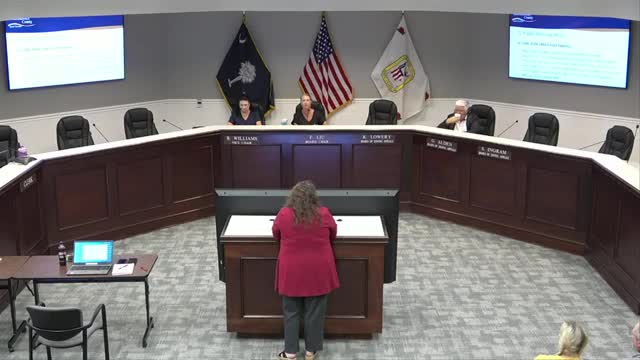
In a recent government meeting, the proposal for increased signage for a new Panda Express restaurant located at 8474 Charlotte Highway was a focal point of discussion. The applicant, Ross McArthur, requested an increase in the maximum allowable signage from 50 square feet to 53.13 square feet, citing visibility challenges due to the restaurant's design and surrounding landscape.
The property, part of the Arches development, is subject to regulations under the highway corridor overlay and the regional business district. Current regulations permit wall signs of up to 50 square feet per wall, or 1 square foot per linear foot of building wall, with a total maximum of 75 square feet for all signage. The applicant's request exceeded these limits, leading to an initial denial from staff, which prompted an appeal.
During the meeting, McArthur explained that the proposed sign is crucial for brand recognition, especially since the nearest Panda Express is approximately 24 miles away. He emphasized that the sign's visibility is compromised by advanced tree growth and the building's recessed design, which requires a perfect sight line for drivers approaching from the north.
Several members of the board questioned whether the sign could be adjusted to meet the existing code without compromising brand standards. McArthur maintained that the specific dimensions are integral to the brand's identity and visibility, arguing that even a minor reduction in size could impact customer recognition.
The discussion highlighted the tension between adhering to local signage regulations and accommodating national branding standards. The board is expected to deliberate further on the appeal, weighing the applicant's arguments against the established code.
The property, part of the Arches development, is subject to regulations under the highway corridor overlay and the regional business district. Current regulations permit wall signs of up to 50 square feet per wall, or 1 square foot per linear foot of building wall, with a total maximum of 75 square feet for all signage. The applicant's request exceeded these limits, leading to an initial denial from staff, which prompted an appeal.
During the meeting, McArthur explained that the proposed sign is crucial for brand recognition, especially since the nearest Panda Express is approximately 24 miles away. He emphasized that the sign's visibility is compromised by advanced tree growth and the building's recessed design, which requires a perfect sight line for drivers approaching from the north.
Several members of the board questioned whether the sign could be adjusted to meet the existing code without compromising brand standards. McArthur maintained that the specific dimensions are integral to the brand's identity and visibility, arguing that even a minor reduction in size could impact customer recognition.
The discussion highlighted the tension between adhering to local signage regulations and accommodating national branding standards. The board is expected to deliberate further on the appeal, weighing the applicant's arguments against the established code.
View the Full Meeting & All Its Details
This article offers just a summary. Unlock complete video, transcripts, and insights as a Founder Member.
✓
Watch full, unedited meeting videos
✓
Search every word spoken in unlimited transcripts
✓
AI summaries & real-time alerts (all government levels)
✓
Permanent access to expanding government content
30-day money-back guarantee
