Community demands inclusive school calendar for diverse holidays
October 02, 2024 | Wallingford-Swarthmore SD, School Districts, Pennsylvania
This article was created by AI summarizing key points discussed. AI makes mistakes, so for full details and context, please refer to the video of the full meeting. Please report any errors so we can fix them. Report an error »
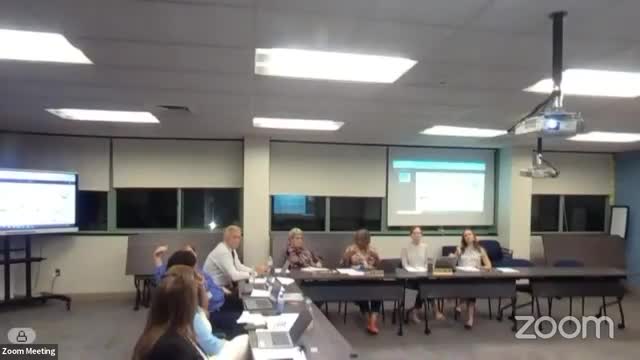
In a recent government meeting, discussions centered around the need for a more inclusive school calendar that recognizes a diverse array of religious holidays. Board members emphasized the importance of acknowledging various cultural and religious observances to foster a sense of belonging among students from different backgrounds.
One board member highlighted that recognizing holidays is not just about accommodating students' needs but also about educating the entire student body about the diverse world they will enter after graduation. The conversation underscored the significance of moving beyond a \"color-blind\" approach to education, advocating for a calendar that reflects the community's diversity, including holidays such as Lunar New Year, Ramadan, and others.
The current policy allows for the designation of certain holidays as days off, but there is a call for clearer communication and transparency regarding which holidays are recognized. Some members expressed frustration over the lack of a written policy that outlines these observances, noting that while Christmas and Easter are traditionally acknowledged, other significant holidays are often overlooked.
The board discussed the possibility of creating a supplemental document to accompany the school calendar, detailing all recognized holidays and their significance. This would not only inform students and staff but also promote understanding and respect for different cultures within the school community.
Additionally, there was a consensus on the need for ongoing dialogue and collaboration with community members to ensure that the calendar reflects the needs and values of all families. The meeting concluded with a commitment to further explore these issues and work towards a more inclusive approach in the school district's calendar policy.
One board member highlighted that recognizing holidays is not just about accommodating students' needs but also about educating the entire student body about the diverse world they will enter after graduation. The conversation underscored the significance of moving beyond a \"color-blind\" approach to education, advocating for a calendar that reflects the community's diversity, including holidays such as Lunar New Year, Ramadan, and others.
The current policy allows for the designation of certain holidays as days off, but there is a call for clearer communication and transparency regarding which holidays are recognized. Some members expressed frustration over the lack of a written policy that outlines these observances, noting that while Christmas and Easter are traditionally acknowledged, other significant holidays are often overlooked.
The board discussed the possibility of creating a supplemental document to accompany the school calendar, detailing all recognized holidays and their significance. This would not only inform students and staff but also promote understanding and respect for different cultures within the school community.
Additionally, there was a consensus on the need for ongoing dialogue and collaboration with community members to ensure that the calendar reflects the needs and values of all families. The meeting concluded with a commitment to further explore these issues and work towards a more inclusive approach in the school district's calendar policy.
Don't Miss a Word: See the Full Meeting!
Go beyond summaries. Unlock every video, transcript, and key insight with a Founder Membership.
✓
Get instant access to full meeting videos
✓
Search and clip any phrase from complete transcripts
✓
Receive AI-powered summaries & custom alerts
✓
Enjoy lifetime, unrestricted access to government data
30-day money-back guarantee
