Housing officials push for legal definition of slumlords
October 02, 2024 | Columbia, Lancaster County, Pennsylvania
This article was created by AI summarizing key points discussed. AI makes mistakes, so for full details and context, please refer to the video of the full meeting. Please report any errors so we can fix them. Report an error »
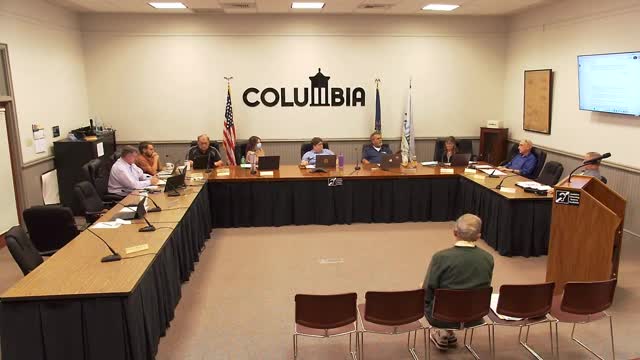
During a recent government meeting, officials engaged in a detailed discussion regarding the definition and implications of the term \"slumlord\" in relation to property management and tenant rights. The conversation highlighted the need for a clear and legally sound definition to identify landlords who exploit tenants and neglect property maintenance.
One official emphasized the importance of distinguishing between landlords who may be deemed \"bad actors\" and those who are simply struggling. The consensus was that landlords identified as slumlords should not have their licenses renewed without first being given an opportunity to rectify their practices. However, the challenge lies in establishing a precise definition that carries legal weight.
The meeting referenced existing definitions from cities like Cincinnati and Philadelphia, which describe slumlords as landlords who prioritize profit over property upkeep, often in deteriorating neighborhoods. These landlords may charge exorbitant rents while violating rental laws, particularly in areas facing housing shortages.
Officials acknowledged that while the term \"slumlord\" is often viewed as derogatory, it can be transformed into a substantive legal term if accompanied by specific criteria. The discussion underscored the necessity of defining what constitutes a slumlord—such as neglecting maintenance, intimidating tenants, or violating housing regulations—before any punitive measures can be enacted.
As the meeting concluded, the officials recognized the importance of developing a robust framework to protect tenants and ensure accountability among landlords, paving the way for future discussions on housing policy and tenant rights.
One official emphasized the importance of distinguishing between landlords who may be deemed \"bad actors\" and those who are simply struggling. The consensus was that landlords identified as slumlords should not have their licenses renewed without first being given an opportunity to rectify their practices. However, the challenge lies in establishing a precise definition that carries legal weight.
The meeting referenced existing definitions from cities like Cincinnati and Philadelphia, which describe slumlords as landlords who prioritize profit over property upkeep, often in deteriorating neighborhoods. These landlords may charge exorbitant rents while violating rental laws, particularly in areas facing housing shortages.
Officials acknowledged that while the term \"slumlord\" is often viewed as derogatory, it can be transformed into a substantive legal term if accompanied by specific criteria. The discussion underscored the necessity of defining what constitutes a slumlord—such as neglecting maintenance, intimidating tenants, or violating housing regulations—before any punitive measures can be enacted.
As the meeting concluded, the officials recognized the importance of developing a robust framework to protect tenants and ensure accountability among landlords, paving the way for future discussions on housing policy and tenant rights.
Don't Miss a Word: See the Full Meeting!
Go beyond summaries. Unlock every video, transcript, and key insight with a Founder Membership.
✓
Get instant access to full meeting videos
✓
Search and clip any phrase from complete transcripts
✓
Receive AI-powered summaries & custom alerts
✓
Enjoy lifetime, unrestricted access to government data
30-day money-back guarantee
