City leaders demand urgent action to resolve bridge delays
October 02, 2024 | Watertown, Jefferson County, Wisconsin
This article was created by AI summarizing key points discussed. AI makes mistakes, so for full details and context, please refer to the video of the full meeting. Please report any errors so we can fix them. Report an error »
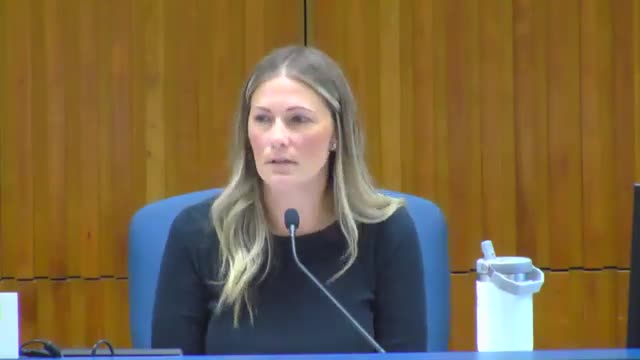
In a recent government meeting, officials discussed significant delays in a bridge construction project that have raised concerns among local businesses and residents. The dialogue highlighted a lack of communication regarding the severity of the delays, which have reportedly doubled the project's timeline. City representatives expressed frustration over not being informed sooner about potential design adjustments that could have mitigated the impact on the community.
The conversation revealed that the Department of Transportation (DOT) initially believed the bridge could be built as originally planned, but later acknowledged the need for redesigns. This change in approach came late in the summer, causing further setbacks. Local officials emphasized the importance of transparency from the DOT, noting that businesses along the construction route are suffering due to the uncertainty surrounding the project's completion.
Concerns were also raised about the construction methods being employed, particularly regarding the pouring of concrete in sections rather than all at once, which could affect structural integrity. However, it was noted that a full-time inspector is on-site to ensure compliance with safety standards.
To expedite the project, officials proposed several strategies, including heating the construction area to allow work to continue through winter and implementing 24-hour shifts. A potential plan to stage traffic during construction was also discussed, which would allow partial openings of the bridge while final work is completed.
The urgency of the situation was underscored by the need for additional funding—approximately $900,000—to implement these measures. Local leaders are advocating for the DOT to prioritize the funding request, arguing that the ongoing contract dispute should not hinder progress on the bridge, which is vital for the community.
As the meeting concluded, officials agreed on the necessity of a resolution to urge the governor's office and the DOT to fast-track the project, emphasizing that the community's needs must come first in the face of bureaucratic challenges. The next steps include a follow-up meeting with DOT representatives to discuss potential solutions and gather more information on material availability amid ongoing supply chain issues.
The conversation revealed that the Department of Transportation (DOT) initially believed the bridge could be built as originally planned, but later acknowledged the need for redesigns. This change in approach came late in the summer, causing further setbacks. Local officials emphasized the importance of transparency from the DOT, noting that businesses along the construction route are suffering due to the uncertainty surrounding the project's completion.
Concerns were also raised about the construction methods being employed, particularly regarding the pouring of concrete in sections rather than all at once, which could affect structural integrity. However, it was noted that a full-time inspector is on-site to ensure compliance with safety standards.
To expedite the project, officials proposed several strategies, including heating the construction area to allow work to continue through winter and implementing 24-hour shifts. A potential plan to stage traffic during construction was also discussed, which would allow partial openings of the bridge while final work is completed.
The urgency of the situation was underscored by the need for additional funding—approximately $900,000—to implement these measures. Local leaders are advocating for the DOT to prioritize the funding request, arguing that the ongoing contract dispute should not hinder progress on the bridge, which is vital for the community.
As the meeting concluded, officials agreed on the necessity of a resolution to urge the governor's office and the DOT to fast-track the project, emphasizing that the community's needs must come first in the face of bureaucratic challenges. The next steps include a follow-up meeting with DOT representatives to discuss potential solutions and gather more information on material availability amid ongoing supply chain issues.
View the Full Meeting & All Its Details
This article offers just a summary. Unlock complete video, transcripts, and insights as a Founder Member.
✓
Watch full, unedited meeting videos
✓
Search every word spoken in unlimited transcripts
✓
AI summaries & real-time alerts (all government levels)
✓
Permanent access to expanding government content
30-day money-back guarantee
