City faces costly mandate to replace lead water lines
October 16, 2024 | Columbia City, Whitley County, Indiana
This article was created by AI summarizing key points discussed. AI makes mistakes, so for full details and context, please refer to the video of the full meeting. Please report any errors so we can fix them. Report an error »
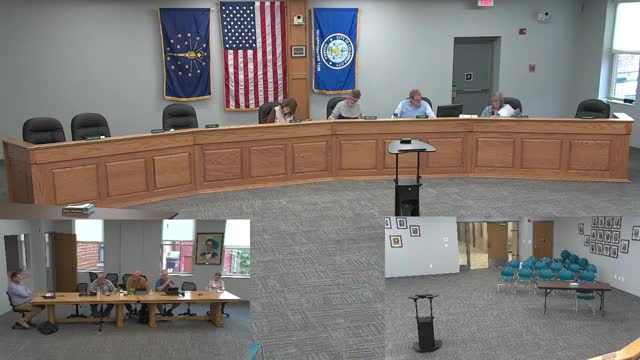
During a recent government meeting, officials addressed ongoing challenges related to municipal water safety and compliance with federal mandates. Key discussions centered on the identification and replacement of lead service lines, a requirement stemming from new regulations aimed at ensuring public health.
Officials reported that the city has successfully completed the installation of lead and copper lines ahead of the mandated deadline, with notifications to residents expected to follow. Approximately 1,700 lines are suspected to contain lead, prompting the need for extensive outreach to inform residents about potential risks. However, officials emphasized that the water remains safe, having consistently passed all lead tests.
The meeting highlighted the distinction between the city's water quality and the infamous Flint water crisis, noting that the local water supply is not corrosive, which mitigates the risk of lead leaching into the water. Despite this, the city faces an unfunded federal mandate to replace the lead lines, which could impose significant financial burdens on local ratepayers.
Officials reassured the public that the water is regularly tested for contaminants, including PFAS, and has returned clean results. The ongoing efforts to comply with federal regulations are seen as a challenge for many municipalities, but local leaders expressed confidence in their proactive measures to maintain water safety and quality.
Officials reported that the city has successfully completed the installation of lead and copper lines ahead of the mandated deadline, with notifications to residents expected to follow. Approximately 1,700 lines are suspected to contain lead, prompting the need for extensive outreach to inform residents about potential risks. However, officials emphasized that the water remains safe, having consistently passed all lead tests.
The meeting highlighted the distinction between the city's water quality and the infamous Flint water crisis, noting that the local water supply is not corrosive, which mitigates the risk of lead leaching into the water. Despite this, the city faces an unfunded federal mandate to replace the lead lines, which could impose significant financial burdens on local ratepayers.
Officials reassured the public that the water is regularly tested for contaminants, including PFAS, and has returned clean results. The ongoing efforts to comply with federal regulations are seen as a challenge for many municipalities, but local leaders expressed confidence in their proactive measures to maintain water safety and quality.
View the Full Meeting & All Its Details
This article offers just a summary. Unlock complete video, transcripts, and insights as a Founder Member.
✓
Watch full, unedited meeting videos
✓
Search every word spoken in unlimited transcripts
✓
AI summaries & real-time alerts (all government levels)
✓
Permanent access to expanding government content
30-day money-back guarantee
