Energy efficiency emerges as key to cutting emissions
October 16, 2024 | Webster Groves, St. Louis County, Missouri
This article was created by AI summarizing key points discussed. AI makes mistakes, so for full details and context, please refer to the video of the full meeting. Please report any errors so we can fix them. Report an error »
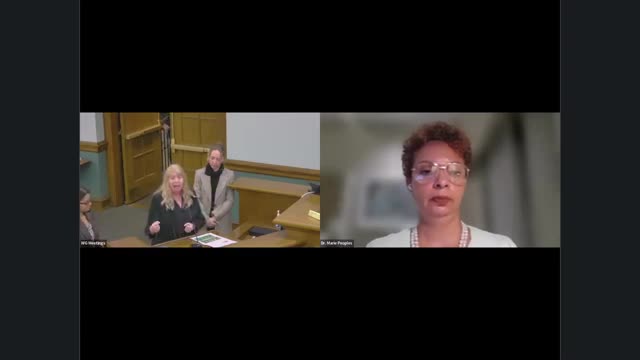
During a recent government meeting, officials discussed the evolving landscape of energy sources for grid electricity, highlighting a shift from coal to renewable energy such as solar and wind power. This transition is being driven by larger energy providers and specific municipal mandates that require a certain percentage of electricity to come from renewable sources.
A significant point raised was the effective waste management practices in the community, particularly the capture and reuse of methane generated from waste decomposition. This system not only mitigates greenhouse gas emissions but also repurposes waste into energy, showcasing a successful model of sustainability.
The conversation also touched on the broader question of greenhouse gas emissions management, debating the merits of offsetting emissions versus directly reducing them. While some participants suggested a dual approach, there was a consensus on the importance of prioritizing energy efficiency in buildings and homes as the most impactful strategy for reducing emissions.
Officials presented two distinct inventories: a community-wide inventory that includes emissions from residents, homes, vehicles, and waste, and a government inventory focused solely on local government facilities. The data revealed that energy consumption in homes and buildings is the primary source of greenhouse gas emissions, underscoring the need for enhanced energy efficiency measures.
Lastly, the meeting addressed the frequency of emissions inventory assessments, recommending a three-year cycle to allow for the development and implementation of reduction plans. The use of ClearPath software was noted as a valuable resource for tracking and calculating emissions data, ensuring that the community can effectively monitor its progress in sustainability efforts.
A significant point raised was the effective waste management practices in the community, particularly the capture and reuse of methane generated from waste decomposition. This system not only mitigates greenhouse gas emissions but also repurposes waste into energy, showcasing a successful model of sustainability.
The conversation also touched on the broader question of greenhouse gas emissions management, debating the merits of offsetting emissions versus directly reducing them. While some participants suggested a dual approach, there was a consensus on the importance of prioritizing energy efficiency in buildings and homes as the most impactful strategy for reducing emissions.
Officials presented two distinct inventories: a community-wide inventory that includes emissions from residents, homes, vehicles, and waste, and a government inventory focused solely on local government facilities. The data revealed that energy consumption in homes and buildings is the primary source of greenhouse gas emissions, underscoring the need for enhanced energy efficiency measures.
Lastly, the meeting addressed the frequency of emissions inventory assessments, recommending a three-year cycle to allow for the development and implementation of reduction plans. The use of ClearPath software was noted as a valuable resource for tracking and calculating emissions data, ensuring that the community can effectively monitor its progress in sustainability efforts.
View the Full Meeting & All Its Details
This article offers just a summary. Unlock complete video, transcripts, and insights as a Founder Member.
✓
Watch full, unedited meeting videos
✓
Search every word spoken in unlimited transcripts
✓
AI summaries & real-time alerts (all government levels)
✓
Permanent access to expanding government content
30-day money-back guarantee
