Tax Abatement Proposal Sparks Debate Over Financial Risks
September 23, 2024 | NEW PRAGUE AREA SCHOOLS, School Boards, Minnesota
This article was created by AI summarizing key points discussed. AI makes mistakes, so for full details and context, please refer to the video of the full meeting. Please report any errors so we can fix them. Report an error »
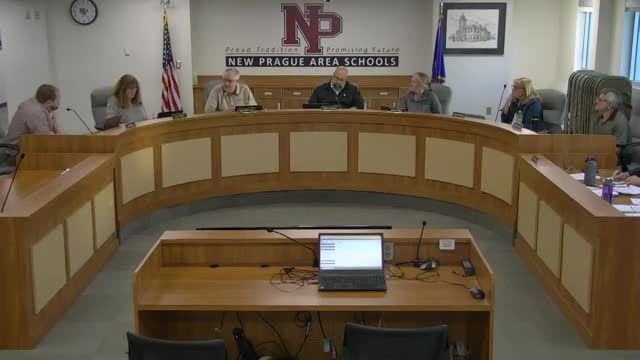
During a recent school board meeting, members engaged in a detailed discussion regarding a proposed tax abatement aimed at facilitating a significant housing development project. The conversation centered around the potential benefits and risks associated with the abatement, particularly in light of fluctuating interest rates and the financial implications for taxpayers.
One board member expressed a willingness to support the project if it could secure lower interest rates for government entities involved. However, another member raised concerns about the lack of precedent for such arrangements in school districts, noting that tax abatements are more commonly utilized by cities and counties. The discussion highlighted the need for careful consideration of the terms of the abatement, including potential \"look back\" provisions that could address future uncertainties related to property values and tax revenues.
Sandy Lynn, a key contributor to the discussion, explained that while tax increment financing districts typically do not require participation from the school district, the proposed abatement would necessitate collaboration among the city, county, and school district. She emphasized the importance of quantifying unknown future variables in the agreement to protect taxpayer interests.
The board also deliberated on the urgency of the housing need within the district, with one member noting that the development could potentially increase student enrollment, thereby enhancing district revenue. However, concerns were raised about the indirect costs to existing taxpayers, as new residents would utilize city and county services without contributing to the tax base during the abatement period.
Ultimately, the board agreed to consider the proposal further, with plans to hold a working session to refine the terms of the abatement agreement. The discussion underscored the complexities of balancing economic development with fiscal responsibility, as board members sought to ensure that any agreement would be beneficial for both the district and its taxpayers.
One board member expressed a willingness to support the project if it could secure lower interest rates for government entities involved. However, another member raised concerns about the lack of precedent for such arrangements in school districts, noting that tax abatements are more commonly utilized by cities and counties. The discussion highlighted the need for careful consideration of the terms of the abatement, including potential \"look back\" provisions that could address future uncertainties related to property values and tax revenues.
Sandy Lynn, a key contributor to the discussion, explained that while tax increment financing districts typically do not require participation from the school district, the proposed abatement would necessitate collaboration among the city, county, and school district. She emphasized the importance of quantifying unknown future variables in the agreement to protect taxpayer interests.
The board also deliberated on the urgency of the housing need within the district, with one member noting that the development could potentially increase student enrollment, thereby enhancing district revenue. However, concerns were raised about the indirect costs to existing taxpayers, as new residents would utilize city and county services without contributing to the tax base during the abatement period.
Ultimately, the board agreed to consider the proposal further, with plans to hold a working session to refine the terms of the abatement agreement. The discussion underscored the complexities of balancing economic development with fiscal responsibility, as board members sought to ensure that any agreement would be beneficial for both the district and its taxpayers.
View the Full Meeting & All Its Details
This article offers just a summary. Unlock complete video, transcripts, and insights as a Founder Member.
✓
Watch full, unedited meeting videos
✓
Search every word spoken in unlimited transcripts
✓
AI summaries & real-time alerts (all government levels)
✓
Permanent access to expanding government content
30-day money-back guarantee
