Building Codes Evolve After Hurricane Andrew's Devastation
October 22, 2024 | Flagler County, Florida
This article was created by AI summarizing key points discussed. AI makes mistakes, so for full details and context, please refer to the video of the full meeting. Please report any errors so we can fix them. Report an error »
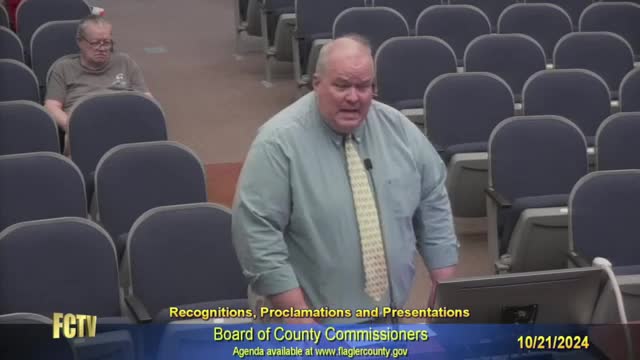
In a recent government meeting, officials discussed the critical importance of building codes in the aftermath of severe weather events, particularly in light of lessons learned from Hurricane Andrew. The conversation highlighted the need for robust enforcement of existing building codes to mitigate damage during hurricanes and other natural disasters.
One speaker emphasized that while Florida has some of the strongest building codes in the country, particularly in Southeast Florida, enforcement has historically been lacking. This gap in enforcement contributed to significant damage during Hurricane Andrew, with studies suggesting that better adherence to building codes could have halved the insured losses, which today would amount to approximately $26 billion.
The discussion also touched on the complacency that can arise after less severe storms, warning that residents might underestimate the risks posed by future hurricanes. Officials stressed the necessity of maintaining a baseline building code while also encouraging enhancements beyond the minimum standards to improve resilience against various weather-related threats, including tornadoes and earthquakes.
A case study was presented involving a homeowner in Mexico Beach, who successfully fortified his home against Hurricane Michael by implementing advanced building techniques and materials, including hurricane clips and a full hip roof design. This proactive approach allowed his home to sustain only minor damage despite the hurricane's intense winds.
The meeting concluded with a call for continuous improvement in building practices and a reminder that while current codes provide a foundation, homeowners should consider additional measures to enhance their properties' resilience. Officials urged the community to remain vigilant and proactive in their preparations for future storms, emphasizing that building to code is merely the starting point for ensuring safety and durability.
One speaker emphasized that while Florida has some of the strongest building codes in the country, particularly in Southeast Florida, enforcement has historically been lacking. This gap in enforcement contributed to significant damage during Hurricane Andrew, with studies suggesting that better adherence to building codes could have halved the insured losses, which today would amount to approximately $26 billion.
The discussion also touched on the complacency that can arise after less severe storms, warning that residents might underestimate the risks posed by future hurricanes. Officials stressed the necessity of maintaining a baseline building code while also encouraging enhancements beyond the minimum standards to improve resilience against various weather-related threats, including tornadoes and earthquakes.
A case study was presented involving a homeowner in Mexico Beach, who successfully fortified his home against Hurricane Michael by implementing advanced building techniques and materials, including hurricane clips and a full hip roof design. This proactive approach allowed his home to sustain only minor damage despite the hurricane's intense winds.
The meeting concluded with a call for continuous improvement in building practices and a reminder that while current codes provide a foundation, homeowners should consider additional measures to enhance their properties' resilience. Officials urged the community to remain vigilant and proactive in their preparations for future storms, emphasizing that building to code is merely the starting point for ensuring safety and durability.
View the Full Meeting & All Its Details
This article offers just a summary. Unlock complete video, transcripts, and insights as a Founder Member.
✓
Watch full, unedited meeting videos
✓
Search every word spoken in unlimited transcripts
✓
AI summaries & real-time alerts (all government levels)
✓
Permanent access to expanding government content
30-day money-back guarantee
