City Embraces AI and Data Governance Amid Cybersecurity Concerns
October 22, 2024 | Bloomington City, Hennepin County, Minnesota
This article was created by AI summarizing key points discussed. AI makes mistakes, so for full details and context, please refer to the video of the full meeting. Please report any errors so we can fix them. Report an error »
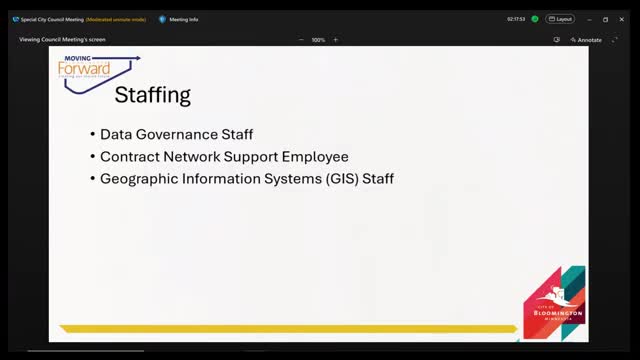
During a recent government meeting, city officials discussed significant updates regarding staffing, technology initiatives, and data governance, emphasizing the importance of adapting to modern challenges.
The meeting highlighted the integration of data governance staff from the city clerk's office, which took place in July. This team, currently comprising two members, is tasked with ensuring data compliance, managing records, and providing training for city employees. Plans are underway to hire a contract network employee for building improvement projects, although no additional full-time staff for geographic information systems (GIS) is being requested at this time, despite its growing importance across departments.
A phased retirement arrangement will take effect next week, prompting further organizational changes. The city is also exploring the use of artificial intelligence (AI) to enhance services, with a policy already developed for generative AI. Initiatives discussed include creating an internal bot for police officers and automating tasks such as transcribing meeting minutes, aimed at improving efficiency and reducing staff workload.
Budgetary implications of these technological advancements remain uncertain, but officials noted the necessity of flexible funding to accommodate new technologies, including AI. Upcoming projects include replacing the fire suppression system in the computer room and upgrading the firewall, which occurs every four years.
The meeting also addressed the critical need for robust cybersecurity measures, particularly in light of recent attacks on local governments. Officials confirmed ongoing partnerships with external agencies to monitor threats and ensure compliance with security standards. Concerns were raised about the potential impact of insufficient funding on the IT department's ability to maintain and upgrade essential systems, which could lead to vulnerabilities and increased costs in the future.
The discussion underscored the city's commitment to effective data management, driven by legal obligations under the Minnesota Government Data Practices Act. The data governance council is actively working to improve data retention and response to public records requests, which have become increasingly complex.
As the city navigates these challenges, officials expressed a need for continued investment in technology and data governance to ensure efficient operations and safeguard against emerging threats.
The meeting highlighted the integration of data governance staff from the city clerk's office, which took place in July. This team, currently comprising two members, is tasked with ensuring data compliance, managing records, and providing training for city employees. Plans are underway to hire a contract network employee for building improvement projects, although no additional full-time staff for geographic information systems (GIS) is being requested at this time, despite its growing importance across departments.
A phased retirement arrangement will take effect next week, prompting further organizational changes. The city is also exploring the use of artificial intelligence (AI) to enhance services, with a policy already developed for generative AI. Initiatives discussed include creating an internal bot for police officers and automating tasks such as transcribing meeting minutes, aimed at improving efficiency and reducing staff workload.
Budgetary implications of these technological advancements remain uncertain, but officials noted the necessity of flexible funding to accommodate new technologies, including AI. Upcoming projects include replacing the fire suppression system in the computer room and upgrading the firewall, which occurs every four years.
The meeting also addressed the critical need for robust cybersecurity measures, particularly in light of recent attacks on local governments. Officials confirmed ongoing partnerships with external agencies to monitor threats and ensure compliance with security standards. Concerns were raised about the potential impact of insufficient funding on the IT department's ability to maintain and upgrade essential systems, which could lead to vulnerabilities and increased costs in the future.
The discussion underscored the city's commitment to effective data management, driven by legal obligations under the Minnesota Government Data Practices Act. The data governance council is actively working to improve data retention and response to public records requests, which have become increasingly complex.
As the city navigates these challenges, officials expressed a need for continued investment in technology and data governance to ensure efficient operations and safeguard against emerging threats.
View the Full Meeting & All Its Details
This article offers just a summary. Unlock complete video, transcripts, and insights as a Founder Member.
✓
Watch full, unedited meeting videos
✓
Search every word spoken in unlimited transcripts
✓
AI summaries & real-time alerts (all government levels)
✓
Permanent access to expanding government content
30-day money-back guarantee
