Community voices demand change for Salt Lake City riverfront
October 25, 2024 | Salt Lake City Planning Commission Meeting, Salt Lake City, Salt Lake County, Utah
This article was created by AI summarizing key points discussed. AI makes mistakes, so for full details and context, please refer to the video of the full meeting. Please report any errors so we can fix them. Report an error »
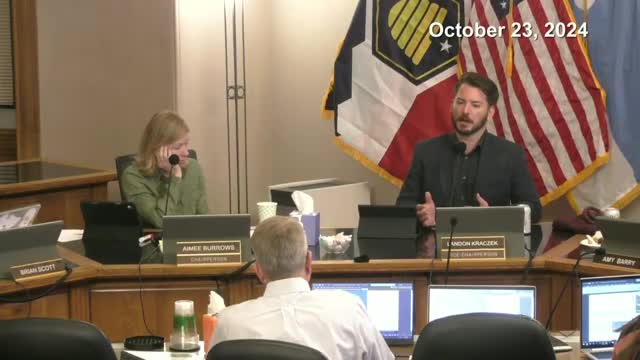
During a recent government meeting, discussions centered on urban development and community engagement in Salt Lake City, particularly regarding a project along the Jordan River. One commissioner expressed a desire for a healthy outcome, advocating for flexibility in design standards for the proposed stadium, while emphasizing the importance of maintaining existing housing for residents.
The commissioner highlighted the need for a cleaner riverfront, envisioning a vibrant area filled with shops, restaurants, and housing that enhances the community's aesthetic and livability. They voiced concerns about the lack of public input in the planning process, noting that residents had not been adequately consulted about the changes affecting their neighborhood. This sentiment was echoed by other members, who stressed the importance of community feedback in shaping development projects.
The meeting also addressed eight specific recommendations from the staff report aimed at improving the project, with a particular focus on incorporating workforce housing. The commissioner underscored that the benefits of the development should directly impact the local neighborhood, which is poised for significant changes.
As the discussion progressed, questions arose about how the various concerns raised during the meeting would be communicated to the city council, which holds the final decision-making power. The staff confirmed that all recommendations and discussions would be documented and included in the transmittal to the council, ensuring that the voices of the community are heard in the ongoing development process.
The commissioner highlighted the need for a cleaner riverfront, envisioning a vibrant area filled with shops, restaurants, and housing that enhances the community's aesthetic and livability. They voiced concerns about the lack of public input in the planning process, noting that residents had not been adequately consulted about the changes affecting their neighborhood. This sentiment was echoed by other members, who stressed the importance of community feedback in shaping development projects.
The meeting also addressed eight specific recommendations from the staff report aimed at improving the project, with a particular focus on incorporating workforce housing. The commissioner underscored that the benefits of the development should directly impact the local neighborhood, which is poised for significant changes.
As the discussion progressed, questions arose about how the various concerns raised during the meeting would be communicated to the city council, which holds the final decision-making power. The staff confirmed that all recommendations and discussions would be documented and included in the transmittal to the council, ensuring that the voices of the community are heard in the ongoing development process.
Don't Miss a Word: See the Full Meeting!
Go beyond summaries. Unlock every video, transcript, and key insight with a Founder Membership.
✓
Get instant access to full meeting videos
✓
Search and clip any phrase from complete transcripts
✓
Receive AI-powered summaries & custom alerts
✓
Enjoy lifetime, unrestricted access to government data
30-day money-back guarantee
