Planning Commission debates hotel project amid environmental concerns
October 25, 2024 | Half Moon Bay, Half Moon Bay City, San Mateo County, California
This article was created by AI summarizing key points discussed. AI makes mistakes, so for full details and context, please refer to the video of the full meeting. Please report any errors so we can fix them. Report an error »
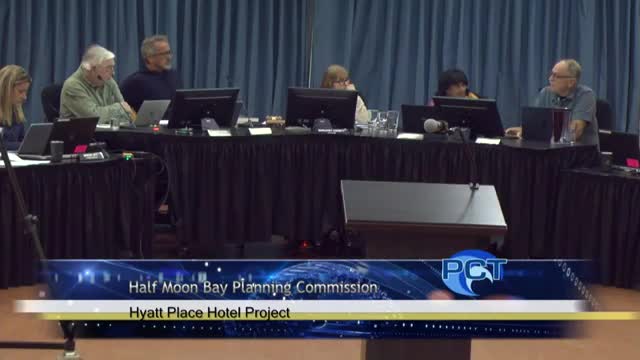
In a recent planning commission meeting, members engaged in a robust discussion regarding a proposed hotel project that has sparked both enthusiasm and concern among commissioners. The project, described as aesthetically pleasing and beneficial for the local economy, faces scrutiny over its potential environmental impacts and compliance with local land use policies.
Commissioner Goren expressed strong support for the hotel, highlighting its potential to generate significant transient occupancy tax (TOT) revenue, which is crucial for the city’s finances. However, he raised concerns about the project's compliance with the Local Coastal Program (LCP) standards, particularly regarding the preservation of scenic views. Goren emphasized that while the hotel could provide economic benefits, the project must adhere to established environmental regulations, specifically the California Environmental Quality Act (CEQA).
The discussion also touched on the project's environmental risks, with Goren questioning the adequacy of the \"statement of overriding considerations\" that would allow the project to proceed despite these risks. He noted that the evidence supporting the project's benefits, such as the proposed bike path and affordable housing component, was insufficient to justify overriding significant environmental concerns.
Commissioner Radick echoed Goren's sentiments, acknowledging the project's visual impact on the ridgeline but arguing that the economic benefits, including job creation and increased tourism, outweigh the temporary visual intrusion. He pointed out that the majority of views would be experienced by motorists on Highway 1, suggesting that the impact on pedestrians using the Naomi Patridge Trail is minimal.
The commissioners also discussed the importance of incorporating substantial evidence into the decision-making process, particularly regarding the projected financial impacts of the hotel. Radick noted that estimates indicate the hotel could generate between $1 million and $1.4 million in TOT revenue, further supporting the case for the project.
As the planning commission deliberates, the balance between economic development and environmental stewardship remains a central theme, with members recognizing the need for careful consideration of both the project's benefits and its potential drawbacks. The outcome of this discussion will likely set a precedent for future developments in the area, particularly those involving sensitive coastal resources.
Commissioner Goren expressed strong support for the hotel, highlighting its potential to generate significant transient occupancy tax (TOT) revenue, which is crucial for the city’s finances. However, he raised concerns about the project's compliance with the Local Coastal Program (LCP) standards, particularly regarding the preservation of scenic views. Goren emphasized that while the hotel could provide economic benefits, the project must adhere to established environmental regulations, specifically the California Environmental Quality Act (CEQA).
The discussion also touched on the project's environmental risks, with Goren questioning the adequacy of the \"statement of overriding considerations\" that would allow the project to proceed despite these risks. He noted that the evidence supporting the project's benefits, such as the proposed bike path and affordable housing component, was insufficient to justify overriding significant environmental concerns.
Commissioner Radick echoed Goren's sentiments, acknowledging the project's visual impact on the ridgeline but arguing that the economic benefits, including job creation and increased tourism, outweigh the temporary visual intrusion. He pointed out that the majority of views would be experienced by motorists on Highway 1, suggesting that the impact on pedestrians using the Naomi Patridge Trail is minimal.
The commissioners also discussed the importance of incorporating substantial evidence into the decision-making process, particularly regarding the projected financial impacts of the hotel. Radick noted that estimates indicate the hotel could generate between $1 million and $1.4 million in TOT revenue, further supporting the case for the project.
As the planning commission deliberates, the balance between economic development and environmental stewardship remains a central theme, with members recognizing the need for careful consideration of both the project's benefits and its potential drawbacks. The outcome of this discussion will likely set a precedent for future developments in the area, particularly those involving sensitive coastal resources.
View the Full Meeting & All Its Details
This article offers just a summary. Unlock complete video, transcripts, and insights as a Founder Member.
✓
Watch full, unedited meeting videos
✓
Search every word spoken in unlimited transcripts
✓
AI summaries & real-time alerts (all government levels)
✓
Permanent access to expanding government content
30-day money-back guarantee
