Democrats urged to prioritize economy over fascism claims
This article was created by AI summarizing key points discussed. AI makes mistakes, so for full details and context, please refer to the video of the full meeting. Please report any errors so we can fix them. Report an error »
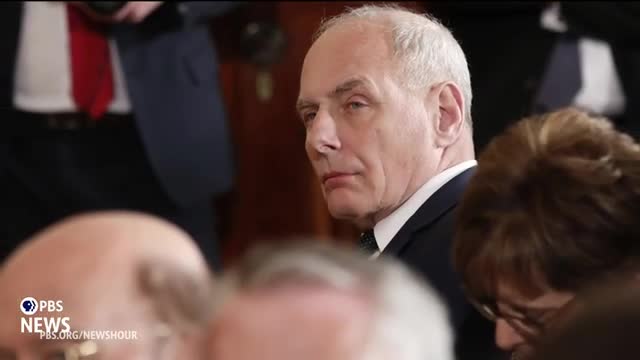
In a recent government meeting, discussions centered around the effectiveness of political messaging as the election season approaches. Key participants expressed skepticism about the Democratic Party's focus on labeling the opposition as fascist, arguing that this narrative fails to resonate with undecided voters. One speaker noted that many citizens do not take the fascism argument seriously, recalling that Donald Trump’s presidency did not lead to what they perceive as a fascist government. Instead, they emphasized that issues such as the economy and immigration are more pressing concerns for voters.
The conversation highlighted the upcoming speech by the Vice President, set to take place at the Ellipse near the National Mall, a location historically significant due to its association with the January 6 Capitol attack. Questions arose regarding whether this speech would effectively communicate the stakes of the election to voters. While some believe it could clarify the Democratic stance, others, including a commentator, argued that the terminology used—such as \"fascism\"—might alienate voters who are more focused on everyday issues like inflation and job security.
The meeting also referenced a recent column that suggested the election is occurring too soon, hinting at a broader concern about the timing and relevance of current political narratives. Overall, the discussions underscored a strategic pivot towards more relatable topics that directly impact voters' lives, rather than abstract political labels that may not resonate with the electorate.
The conversation highlighted the upcoming speech by the Vice President, set to take place at the Ellipse near the National Mall, a location historically significant due to its association with the January 6 Capitol attack. Questions arose regarding whether this speech would effectively communicate the stakes of the election to voters. While some believe it could clarify the Democratic stance, others, including a commentator, argued that the terminology used—such as \"fascism\"—might alienate voters who are more focused on everyday issues like inflation and job security.
The meeting also referenced a recent column that suggested the election is occurring too soon, hinting at a broader concern about the timing and relevance of current political narratives. Overall, the discussions underscored a strategic pivot towards more relatable topics that directly impact voters' lives, rather than abstract political labels that may not resonate with the electorate.
View the Full Meeting & All Its Details
This article offers just a summary. Unlock complete video, transcripts, and insights as a Founder Member.
✓
Watch full, unedited meeting videos
✓
Search every word spoken in unlimited transcripts
✓
AI summaries & real-time alerts (all government levels)
✓
Permanent access to expanding government content
30-day money-back guarantee
