Board confronts critical speech therapy funding crisis
October 24, 2024 | Savannah-Chatham County, School Districts, Georgia
This article was created by AI summarizing key points discussed. AI makes mistakes, so for full details and context, please refer to the video of the full meeting. Please report any errors so we can fix them. Report an error »
During a recent government meeting, significant concerns were raised regarding the caseload limits for Speech-Language Pathologists (SLPs) in the context of state and federal regulations. The discussion highlighted the disparity between the recommended student limits set by the Godot framework and the actual caseloads faced by SLPs in the field.
Currently, Godot establishes a maximum limit of 55 students per SLP. However, based on recommendations from the American Speech-Language-Hearing Association (ASHA), which emphasize workload considerations, the ideal caseload should be closer to 45 students. This discrepancy raises alarms, particularly when some SLPs are reportedly managing caseloads as high as 99 students, nearly double the recommended limit.
Board members expressed the urgent need for a comprehensive understanding of the limitations imposed by state and federal guidelines, as well as the financial implications of adhering to these standards. The discussion underscored the ethical responsibility to support vulnerable children with significant speech and language needs, emphasizing that the current situation is not only a legal obligation but also a moral imperative.
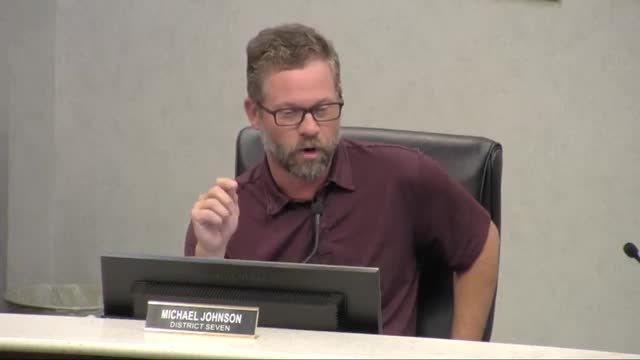
Mr. Johnson pointed out that the state allocates only 38.9 positions for special education, which does not adequately meet the needs outlined by Godot. This situation has resulted in what many consider an unfunded mandate, forcing local districts to seek alternative funding sources, such as grants or local taxes, to cover the shortfall.
The meeting concluded with a call to action for the board to collaborate with specialized instruction and finance departments to develop strategies that ensure adequate support for SLPs and the children they serve. The discussions reflect a growing recognition of the challenges within the special education system and the need for systemic changes to better support both educators and students.
Currently, Godot establishes a maximum limit of 55 students per SLP. However, based on recommendations from the American Speech-Language-Hearing Association (ASHA), which emphasize workload considerations, the ideal caseload should be closer to 45 students. This discrepancy raises alarms, particularly when some SLPs are reportedly managing caseloads as high as 99 students, nearly double the recommended limit.
Board members expressed the urgent need for a comprehensive understanding of the limitations imposed by state and federal guidelines, as well as the financial implications of adhering to these standards. The discussion underscored the ethical responsibility to support vulnerable children with significant speech and language needs, emphasizing that the current situation is not only a legal obligation but also a moral imperative.
Mr. Johnson pointed out that the state allocates only 38.9 positions for special education, which does not adequately meet the needs outlined by Godot. This situation has resulted in what many consider an unfunded mandate, forcing local districts to seek alternative funding sources, such as grants or local taxes, to cover the shortfall.
The meeting concluded with a call to action for the board to collaborate with specialized instruction and finance departments to develop strategies that ensure adequate support for SLPs and the children they serve. The discussions reflect a growing recognition of the challenges within the special education system and the need for systemic changes to better support both educators and students.
View the Full Meeting & All Its Details
This article offers just a summary. Unlock complete video, transcripts, and insights as a Founder Member.
✓
Watch full, unedited meeting videos
✓
Search every word spoken in unlimited transcripts
✓
AI summaries & real-time alerts (all government levels)
✓
Permanent access to expanding government content
30-day money-back guarantee
